


My mother never measured anything. She cooked by feel, by smell, by years of knowing exactly when something was right.
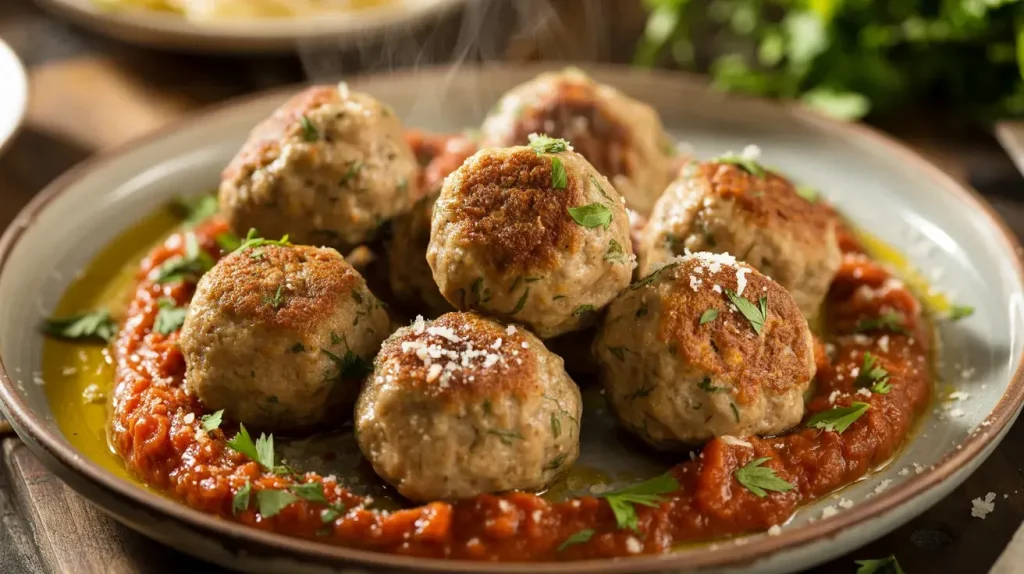
Her meatballs were the kind that made the whole house smell good on a Sunday afternoon. Soft, juicy, and gone before dinner was even on the table.
So I went back to her kitchen. Watched her hands. Asked questions she had never thought to answer because to her, it was all just instinct.
Then I started rebuilding it. Ground turkey instead of beef. Oat flour instead of breadcrumbs. Fresh herbs, real garlic, and just enough olive oil to keep every bite tender. No shortcuts that sacrifice flavor.
What came out of that process is this recipe. The gluten-free turkey meatballs taste like something my mother would approve of. It’s also gluten-free, lower in calories, and made with ingredients that are actually good for you.
What Goes Into These Turkey Meatballs: Key Ingredients
These are simple, everyday ingredients. Each one pulls its weight in flavor, texture, and nutrition.
|
Gluten-Free Binders:
Flavor Boosters:
|
Step-by-Step Recipe for Gluten-Free Turkey Meatballs
Making healthy gluten-free turkey meatballs is simple, nutritious, and packed with flavor. These turkey meatballs are perfect for meal prep, a quick weeknight dinner, or as an appetizer.
Step 1: Prep the Ingredients
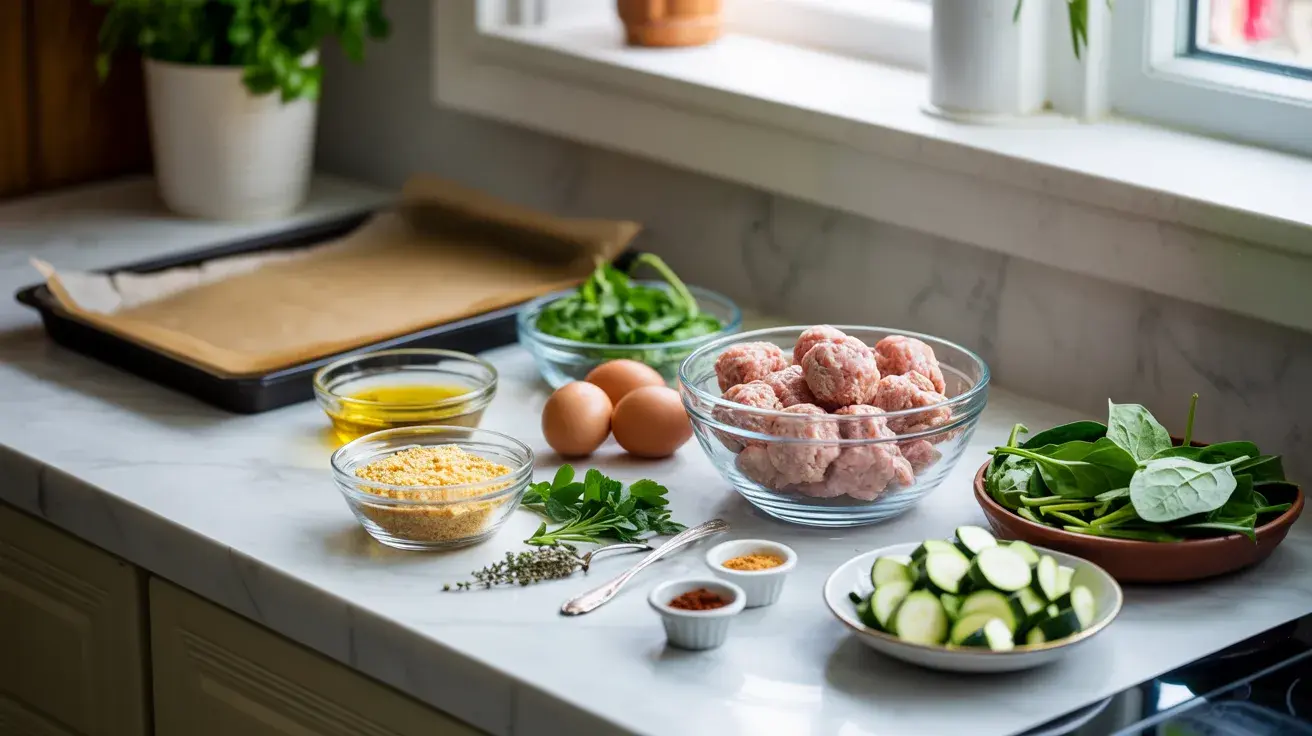
Clean your workspace and gather all ingredients: ground turkey, gluten-free breadcrumbs or oats, eggs, herbs, and spices.
If you’re adding vegetables like spinach or zucchini, finely chop or use a food processor. Preheat the oven to 375°F (190°C) and line a baking sheet with parchment paper for easy cleanup.
Tip: Chilling the ground turkey for 10-15 minutes before forming the meatballs can make them easier to handle and shape.
Step 2: Form the Meatballs
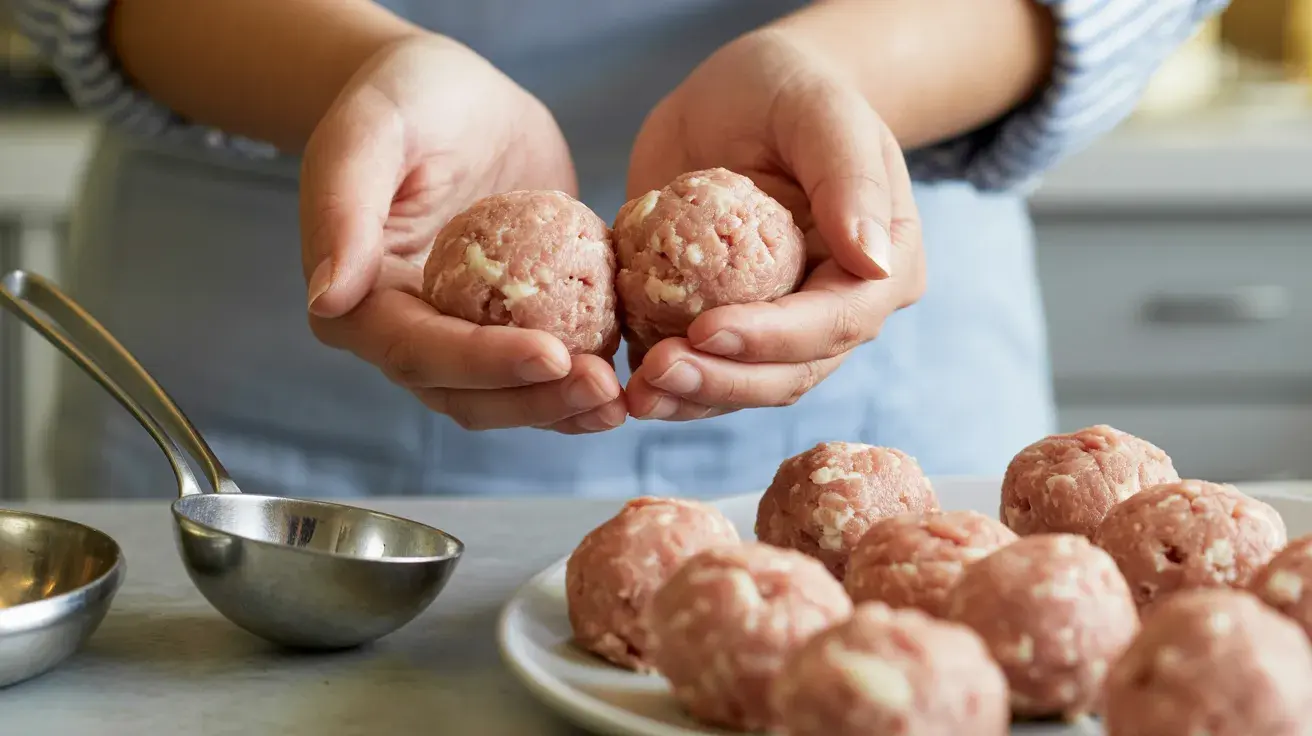
Use a tablespoon or cookie scoop to measure out uniform portions of the turkey mixture. Lightly dampen your hands to prevent sticking, and roll each portion into a ball, aiming for about 1 to 1.5 inches in diameter.
Tip: Ensuring uniform meatball sizes helps them cook evenly. If the mixture feels too loose, add a little more binder (gluten-free breadcrumbs or oats).
Now that you’ve prepared and formed your gluten-free turkey meatballs, you’re just a few steps away from enjoying a healthy, flavorful dish.
Step 3: Cooking Methods for Perfect Meatballs
From crispy exteriors to slow-cooked, saucy finishes, there are multiple ways to cook meatballs to perfection. Each method brings out a unique texture and flavor, ensuring a delicious result every time.
1. Oven Baking (Main Method)
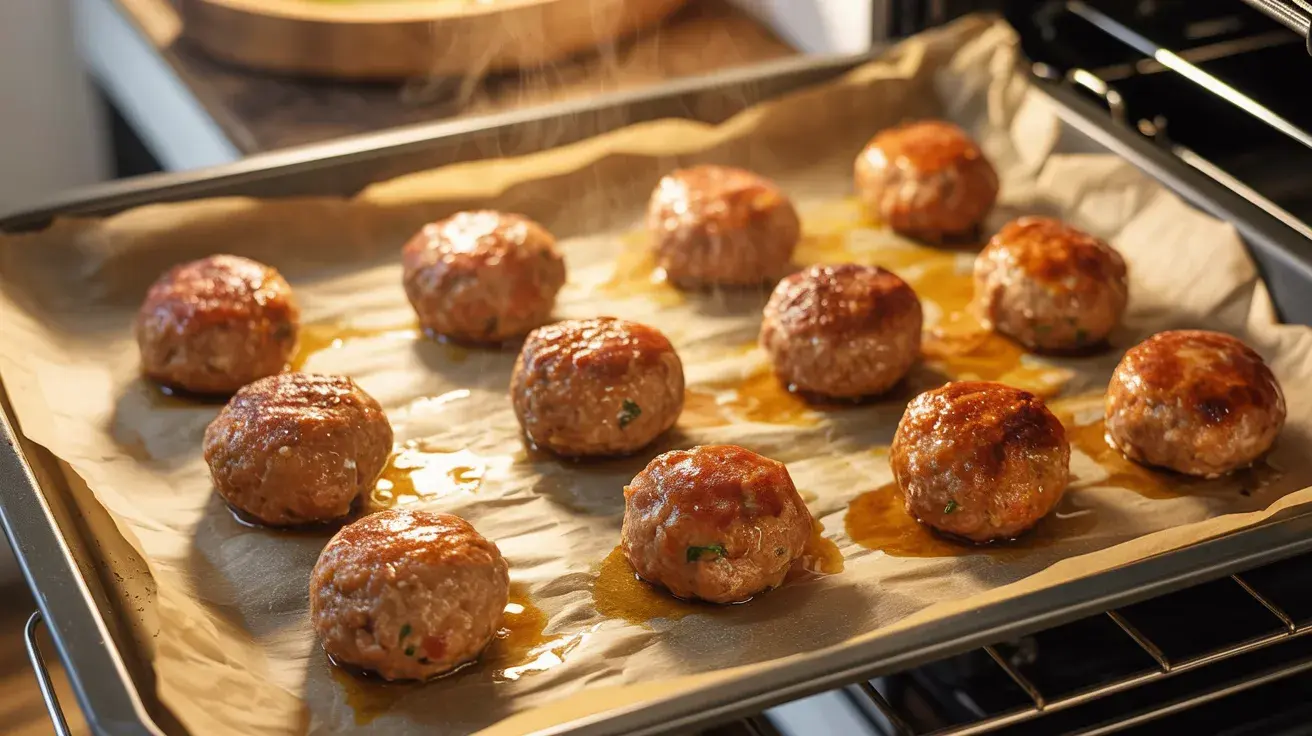
Place the meatballs on the lined baking sheet, spacing them evenly apart. Bake in the preheated oven for 20-25 minutes, or until golden brown and cooked through.
Tip: Always check the internal temperature of the meatballs with a thermometer. It should reach 165°F (74°C) to ensure they are fully cooked and safe to eat.
2. Pan-Seared Method
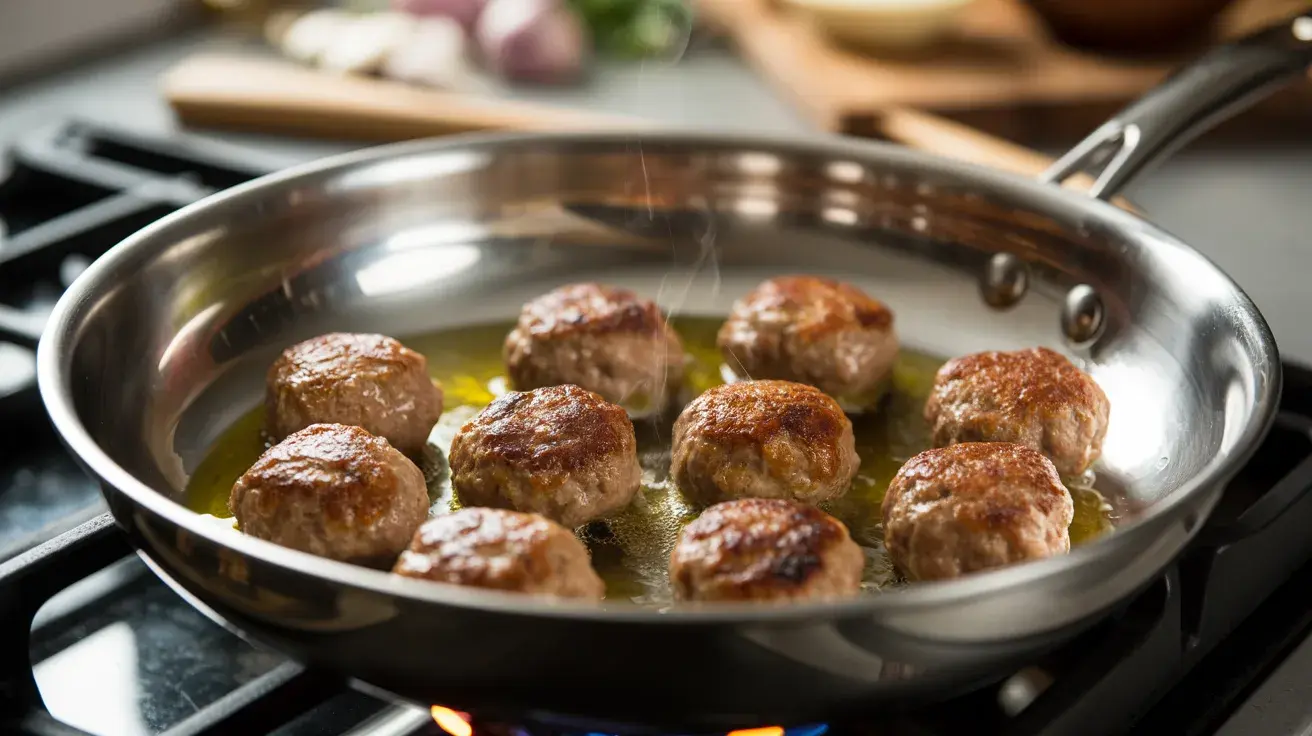
Heat a skillet over medium heat and add a little olive oil. Carefully place the meatballs in the skillet, making sure not to overcrowd them. Sear each side for 3-4 minutes, until golden brown. Lower the heat, cover the skillet, and cook for another 5-7 minutes until cooked through.
Tip: Searing the meatballs adds a crispy exterior while keeping them juicy inside.
3. Air Fryer Version
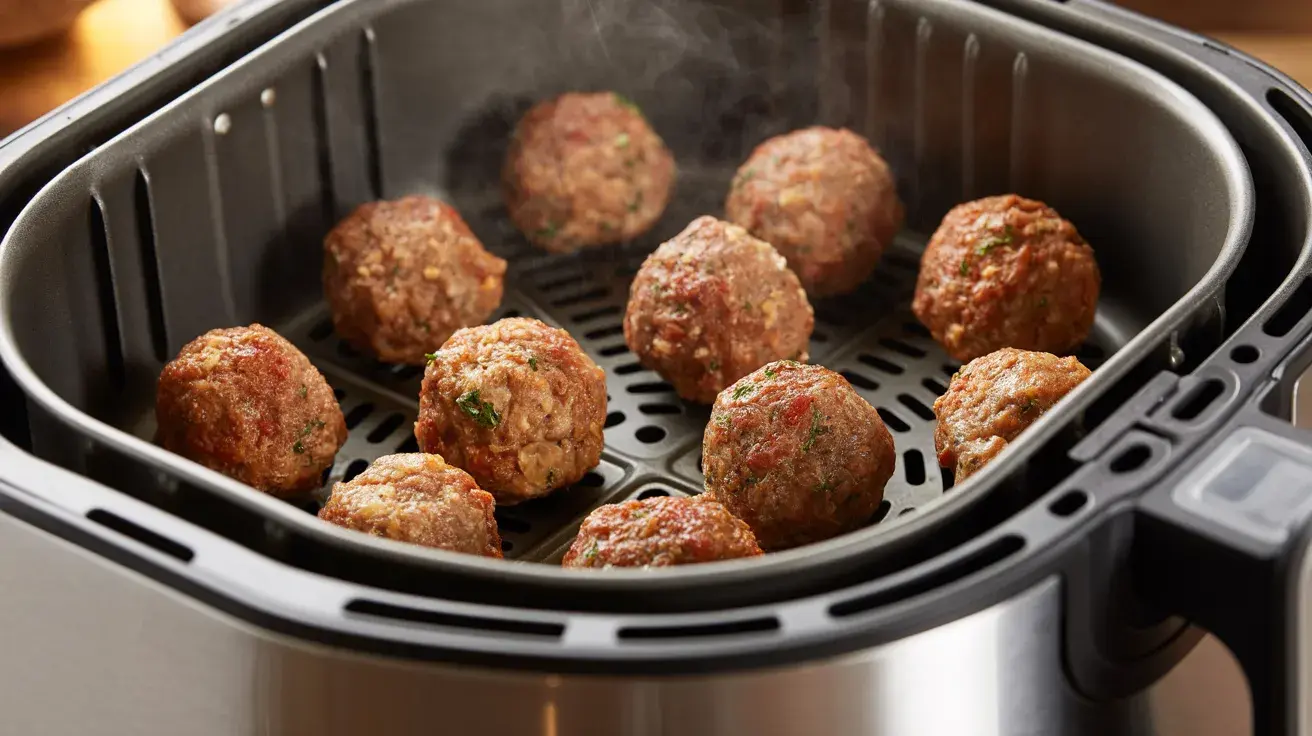
Preheat the air fryer to 375°F (190°C). Arrange the meatballs in the air fryer basket, leaving space between them. Air fry for 10-12 minutes, shaking the basket halfway through.
Tip: The air fryer gives the meatballs a crispy exterior while cooking them evenly inside.
4. Slow Cooker Option
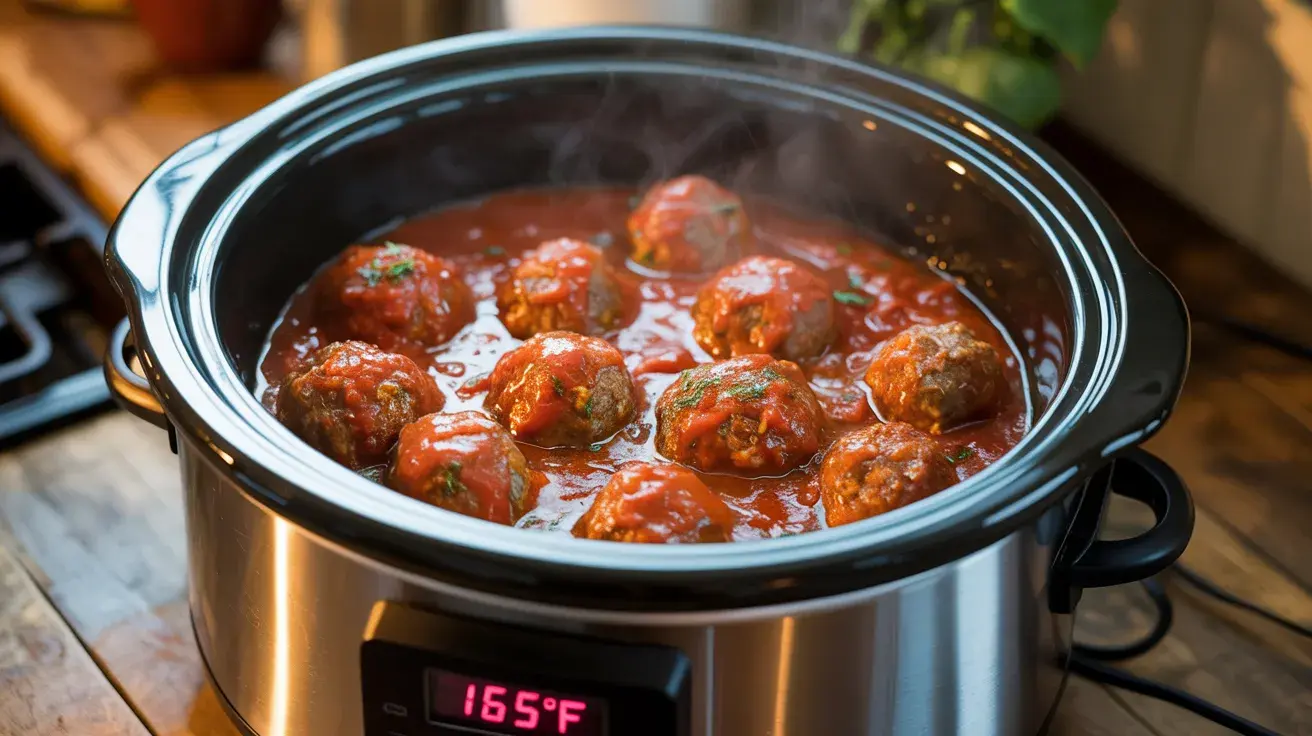
Place the raw meatballs in the slow cooker with your choice of sauce or gravy(marinara or tomato sauce). Cover and cook on low for 4-6 hours, or on high for 2-3 hours. Check the internal temperature of the meatballs; they should reach 165°F (74°C).
Tip: Cooking in a slow cooker ensures moist, tender meatballs that soak up the flavor of the sauce.
Step 4: Serve Meatballs for Maximum Flavor
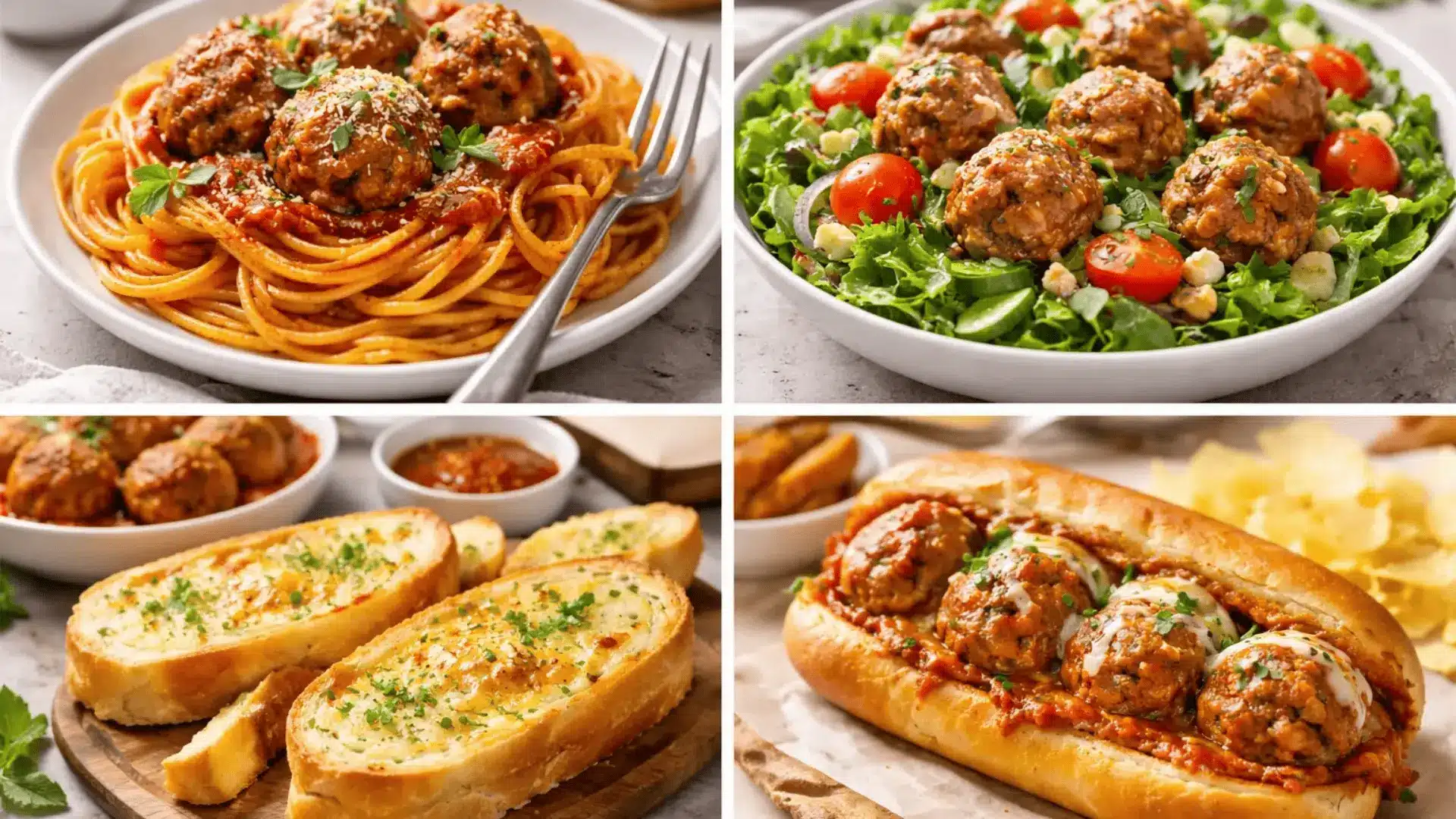
Make your meatballs even more irresistible by pairing them with the perfect sides and sauces. From classic pasta to a fresh salad, here are some ideas for serving your meatballs that will take your meal to the next level.
These four serving ideas show just how versatile meatballs can be. Paired with pasta, a refreshing salad, crispy garlic bread, or nestled in a sub roll, each option offers a delicious and satisfying meal. Enjoy experimenting with these tasty combinations!
Why This Recipe Works
Turkey is lean, which is great for your nutrition goals, but it means it loses moisture faster than beef. Every ingredient in this recipe is here for a reason.
- Ground turkey has less saturated fat than beef or pork but still delivers a juicy bite, thanks to olive oil and eggs.
- High in protein, it keeps you full without the heaviness.
- It’s safe for gluten sensitivities and celiac disease; every binder is certified gluten-free, with no hidden gluten from breadcrumbs or fillers.
- Bold flavors come from fresh garlic, parsley, oregano, and parmesan, with seasoning mixed into the meat for a consistent taste.
- Optional add-ins like spinach and zucchini add nutrition without sacrificing flavor.
- Simple to make: one bowl, no complicated prep, ready in under 35 minutes.
- Stores well in the fridge for up to 4 days and freezes perfectly for meal prep.
In my nutrition practice, I see many people assume that “gluten-free” automatically means healthier. The binder matters.
Both oat and almond flours add nutritional value to the meatballs. That is why I prefer them over a plain GF breadcrumb as your only binder.
A Closer Look at the Nutrition in Every Bite
One of the biggest reasons people love this gluten-free turkey meatball recipe is how well it fits into a balanced diet.
Calories and Macro Breakdown (Per Serving – 4 Meatballs)
| Nutrient | Amount |
|---|---|
| Calories | 180–210 kcal |
| Protein | 22–25g |
| Total Fat | 7–9g |
| Carbohydrates | 4–6g |
| Fiber | 0.5–1g |
| Sodium | 300–400mg |
Values vary based on the exact ingredients and the size of the meatballs. USDA FoodData Central is a reliable source if you want to verify exact macros for your specific ingredient brands.
Tricks That Make These Turkey Meatballs Turn Out Right
Turkey meatballs can dry out quickly if a few things go wrong. Here is what to watch for.
How to Avoid Dry Meatballs
Ground turkey has less fat than beef, which can cause it to dry out quickly. To prevent this, try adding one of the following:
- A small amount of olive oil for extra moisture.
- Grated zucchini for added moisture without altering the flavor.
Additionally, do not overwork the meat when mixing, as this can result in a tough texture.
The single biggest mistake I see people make is overmixing.
Once the protein in the turkey starts to bind tightly from overworking, no amount of olive oil will save the texture. Mix until just combined, 20 to 30 seconds by hand is usually enough.
Best Binders for Gluten-Free Meatballs
While traditional recipes use breadcrumbs, gluten-free alternatives offer better texture and flavor. Consider these options:
- Almond flour: Adds a slight nuttiness and helps keep the meatballs moist.
- Oat flour (certified gluten-free): Closely mimics the texture of regular breadcrumbs.
- Ground flaxseed + water: An egg-free binder that works perfectly in gluten-free recipes.
- Grated parmesan: Enhances flavor and binds ingredients without adding bulk.
Want Egg-free?
Use 1 tablespoon of ground flaxseed mixed with 3 tablespoons of water per egg. Let it sit for 5 minutes before adding to the mix. It binds well and has no impact on flavor.
Herb vs. Spice Flavor Profiles
Herbs and spices bring different flavors to your meatballs:
- Fresh herbs (e.g., parsley, basil, oregano) provide a bright, light flavor.
- Spices (e.g., garlic powder, onion powder, cumin) add depth and warmth.
For Italian-style gluten-free turkey meatballs, focus on parsley and garlic. If you want a Mediterranean twist, incorporate oregano and lemon zest.
Five Easy Ways To Change Up This Recipe
One batch of gluten-free turkey meatball recipe base goes a long way. Here are the best variations to try depending on taste and dietary needs.
1. Italian-Style
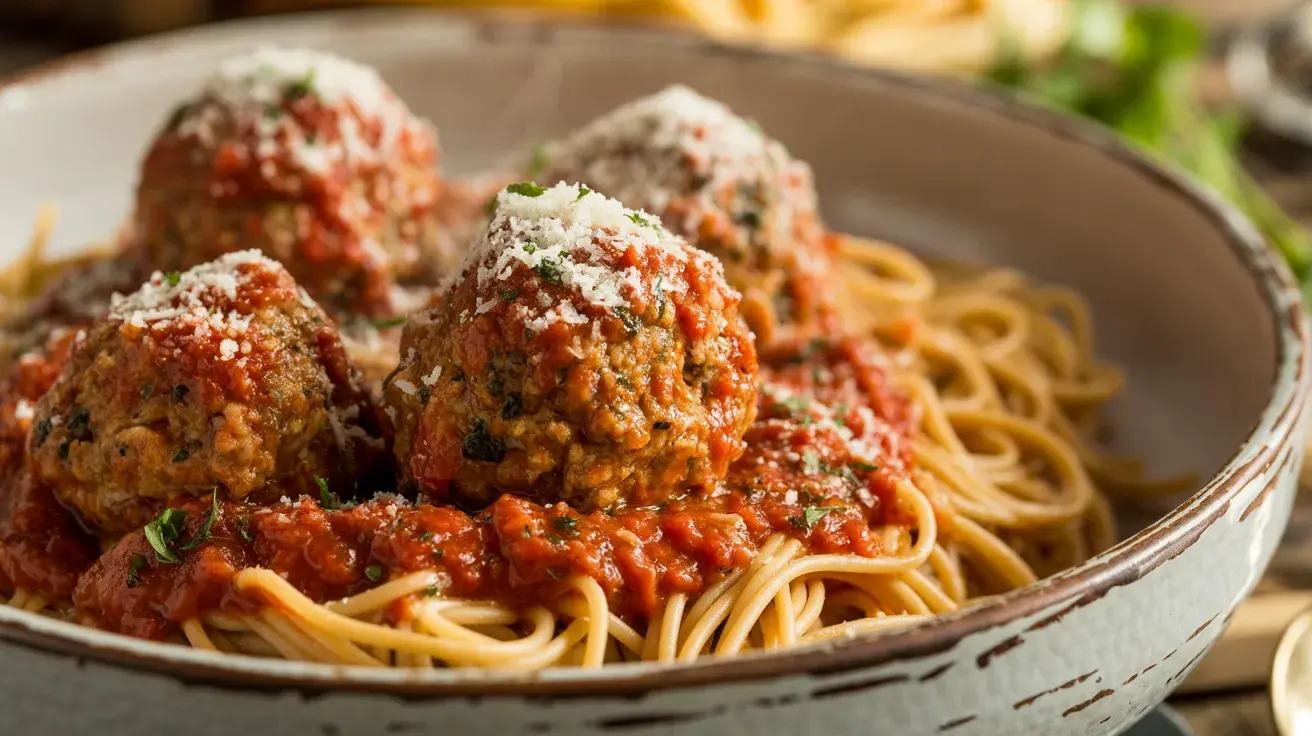
Add parsley, garlic, parmesan, and a pinch of fennel seed. Serve with marinara over gluten-free pasta. This is the classic gluten-free meatball turkey dinner most people come back to.
2. Mediterranean
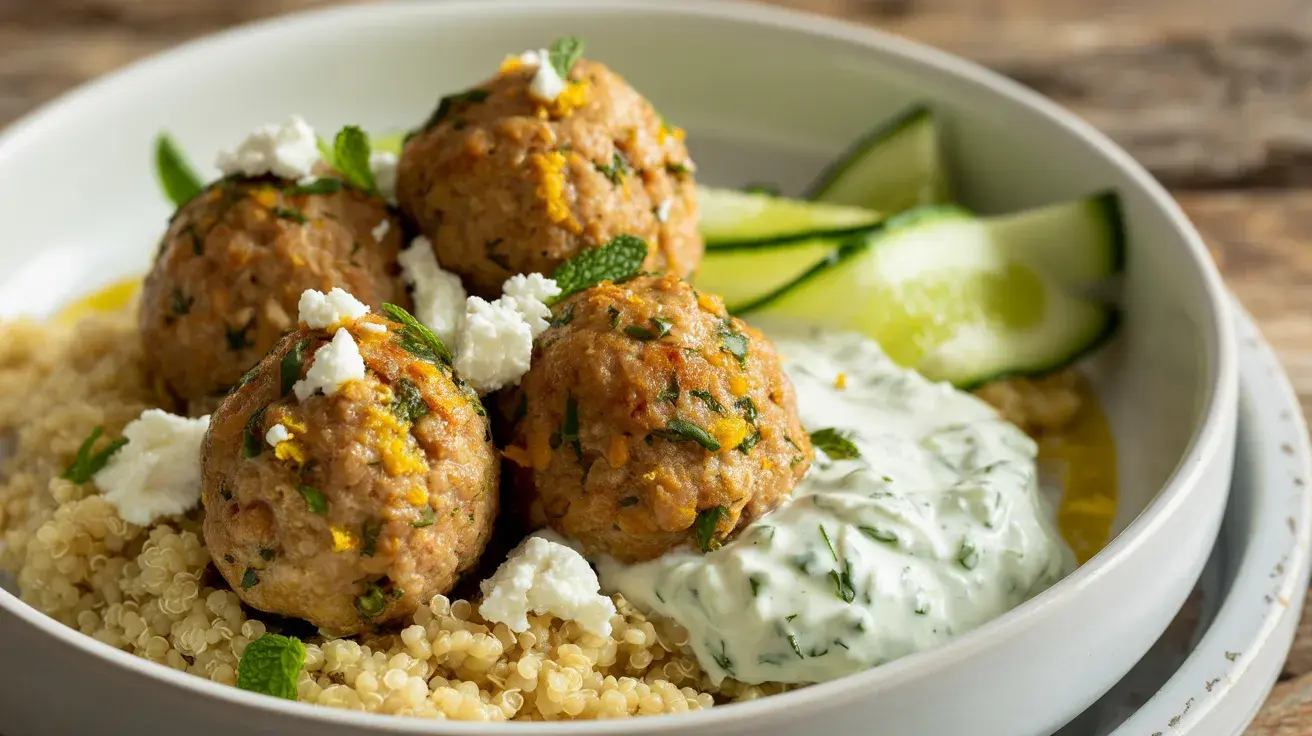
Mix in dried oregano, lemon zest, a little crumbled feta, and fresh mint. Serve over quinoa with a cucumber yogurt sauce. Great for gluten-free meal prep, since the flavors hold up well in the fridge.
3. Spicy
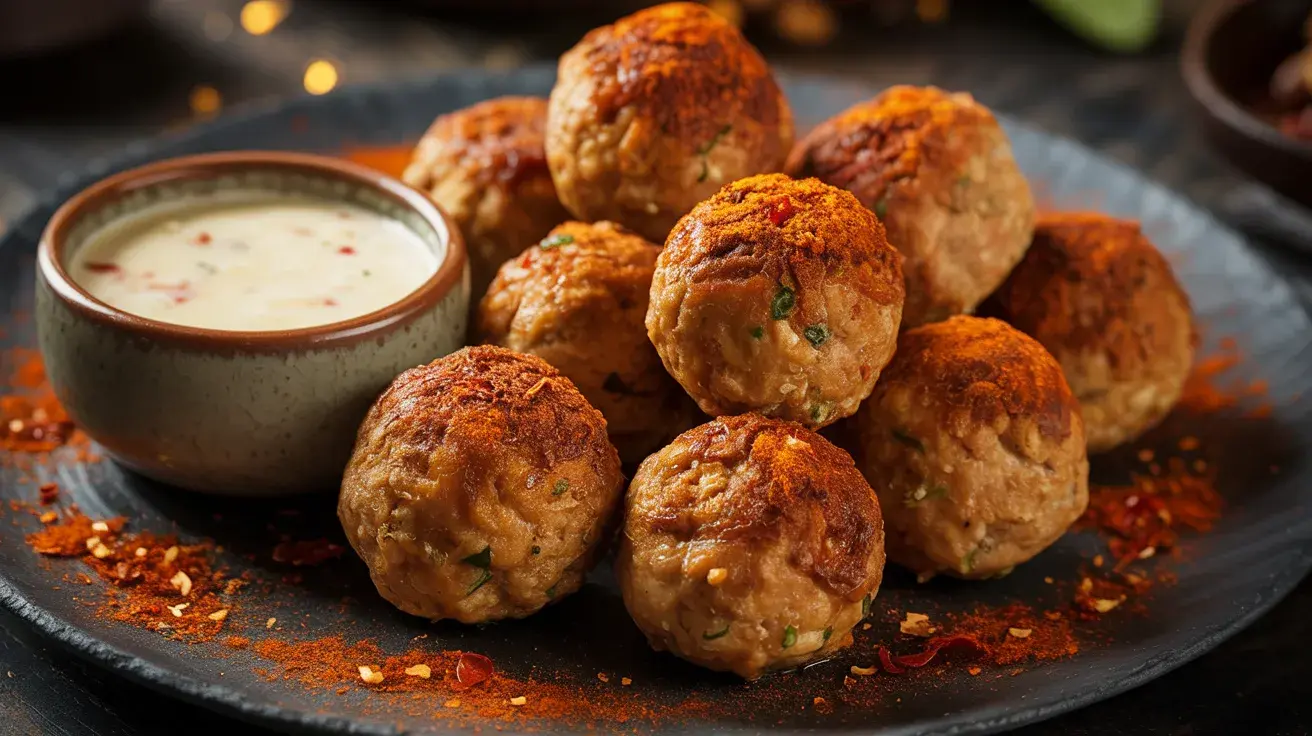
Add crushed red pepper flakes, smoked paprika, and a small amount of cayenne. Good with a cooling dipping sauce or over brown rice. This version works well as an air fryer gluten-free turkey meatballs recipe since the outside gets a nice crisp.
4. Keto and Low Carb
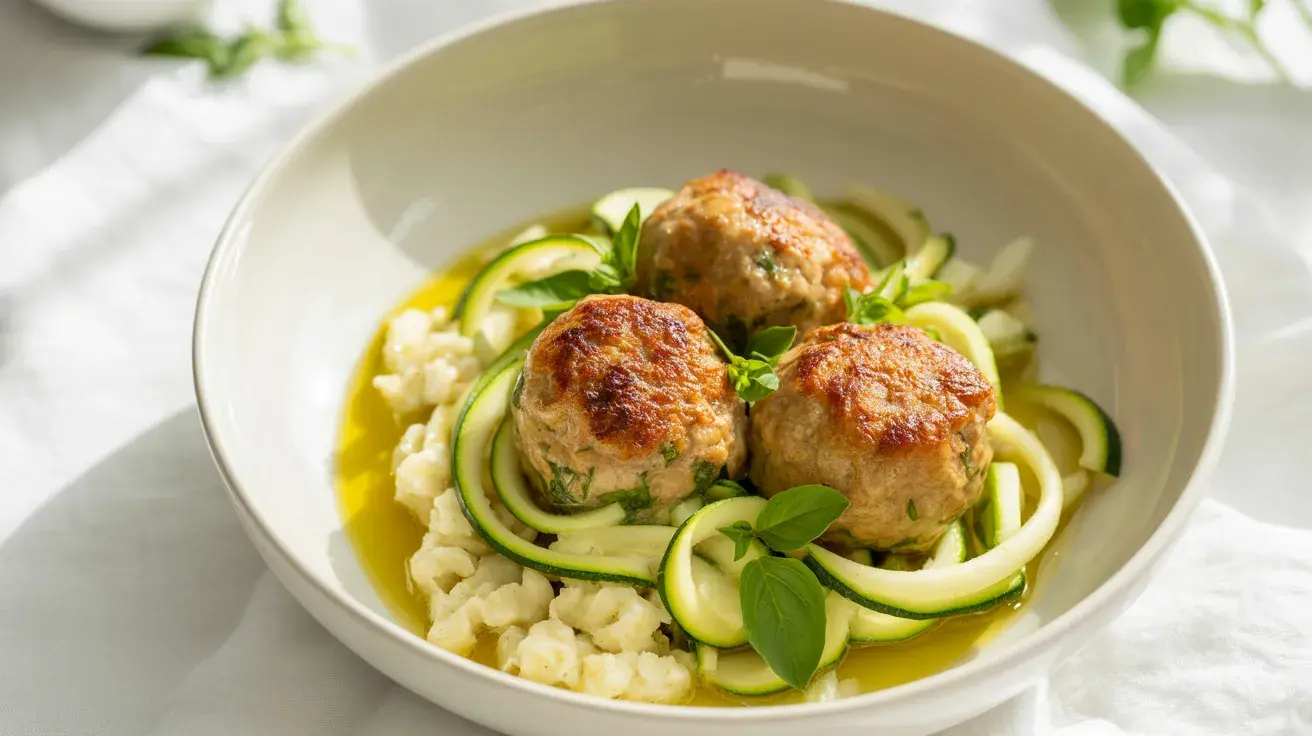
Skip the oat flour and use only almond flour. Serve over zucchini noodles or cauliflower rice. This keeps it in line with low-carb gluten-free turkey meatballs and fits most keto eating plans.
5. Dairy-Free and Vegan-Friendly
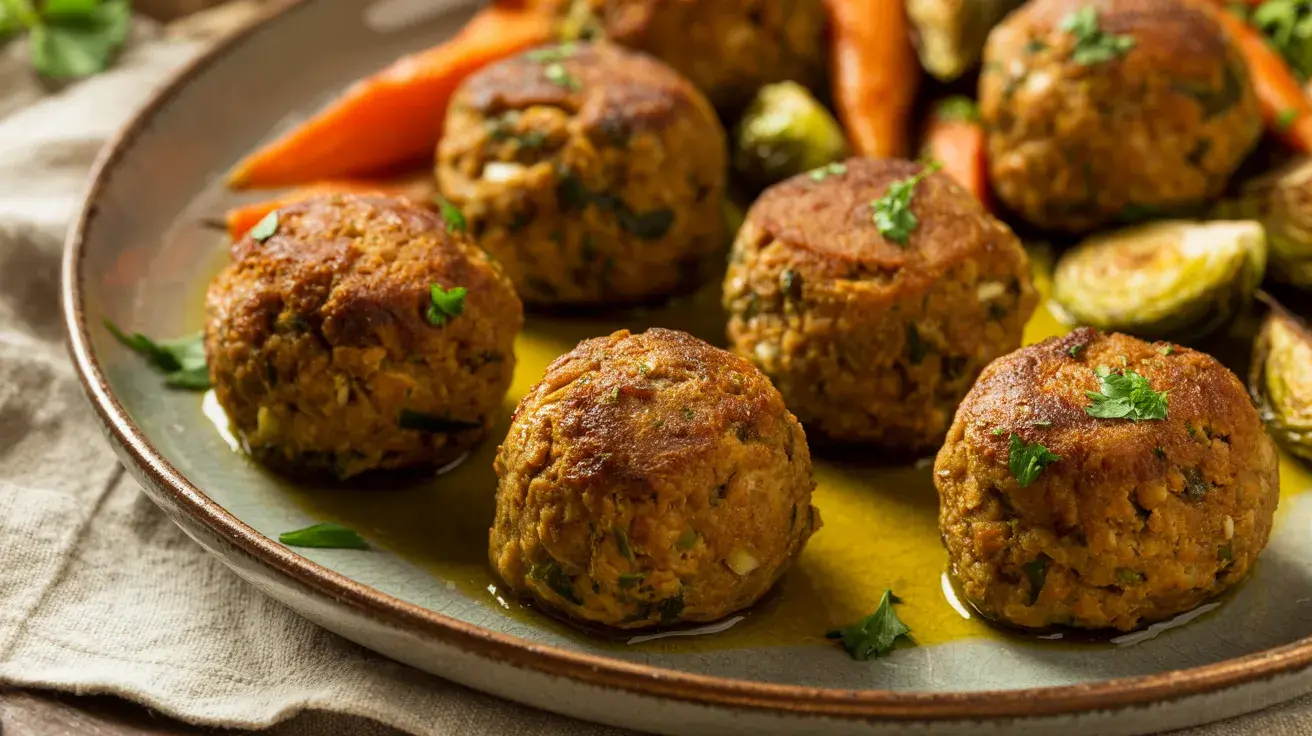
For a dairy-free version, leave out the parmesan and use nutritional yeast instead for a savory flavor. For a fully plant-based swap, try lentil or chickpea-based meatballs using the same spice blend.
These options work well for anyone following turkey recipes, healthy variations, or plant-based, gluten-free dinner recipes.
Freezing and Storage
These meatballs are excellent for meal prep. Here is how to store them properly:
- Refrigerator: Store fully cooked meatballs in an airtight container for up to 4 days.
- Freezer (fully cooked): Let them cool completely, then freeze in a single layer on a baking sheet before transferring to a freezer bag. They keep for up to 3 months. Reheat from frozen in a 350°F oven for 12–15 minutes or in a simmering sauce.
- Freezer (par-cooked or raw): You can also freeze raw, shaped meatballs. Place them on a parchment-lined sheet, freeze until solid, then bag them. Cook straight from frozen, add 5–8 minutes to your baking time.
For more such delicious recipes, give a check to this, Marry me chicken recipe, perfect for a romantic dinner.
Frequently Asked Questions
Are Turkey Meatballs Healthier than Beef Meatballs?
Yes, turkey meatballs are generally healthier than beef meatballs. They are lower in fat and calories while being a great source of lean protein, making them a healthier option.
How Do You Keep Gluten-Free Meatballs from Falling Apart?
To prevent gluten-free meatballs from falling apart, use a binder such as gluten-free breadcrumbs or oats. Additionally, chilling the meatball mixture before forming it, then baking or pan-searing it gently.
Can I Freeze Gluten-Free Turkey Meatballs?
Yes, you can freeze gluten-free turkey meatballs. Simply bake them first, let them cool, and then store them in an airtight container or freezer bag for up to 3 months.
What Can I Serve with Gluten-Free Turkey Meatballs?
Gluten-free turkey meatballs pair well with a variety of sides, such as gluten-free pasta, zucchini noodles, quinoa, or a simple salad.