





The Lazy Cook’s Secret: Why Yesterday’s Rice Is Actually Better for You
Okay, confession time: I used to feel vaguely guilty about eating leftover rice straight from the fridge at 11 PM. Standing in the kitchen light, fork in hand, cold rice in tupperware not exactly Instagram worthy meal prep content.
Turns out? I was accidentally doing something good for my blood sugar. Science owes me an apology for all that unnecessary shame.
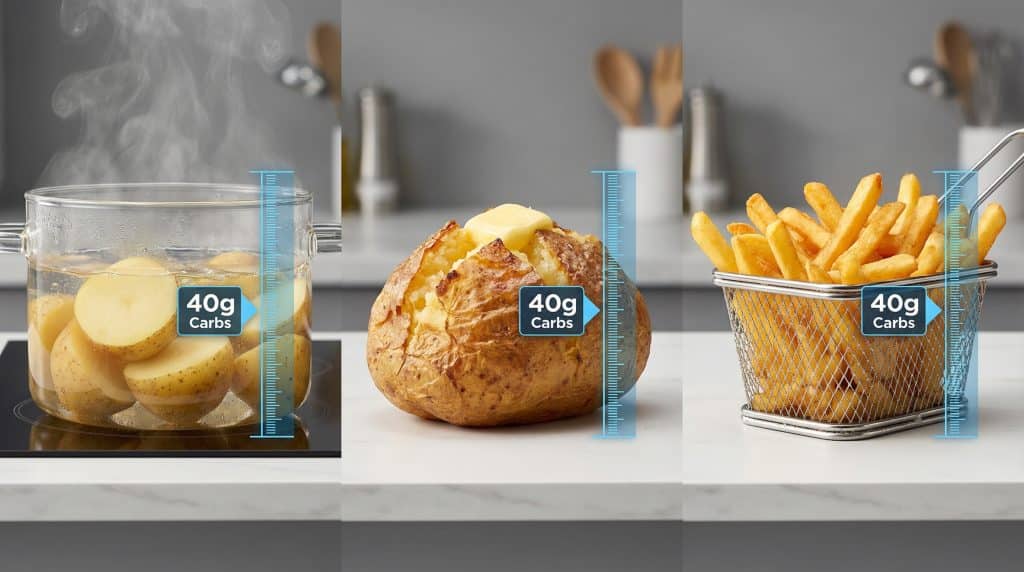
Here’s the thing that blew my mind when I first learned it: the carbs in your food don’t change when you cook them. A potato has 37 grams of carbs whether you boil it, bake it, or turn it into those crispy little roasted cubes I could eat by the sheet pan. Same grams. Same math.
But and this is the fun part what does change is how your body handles those carbs. And there’s one ridiculously simple trick that makes a measurable difference. No special ingredients. No expensive gadgets. Just… patience and a refrigerator.
The Magic of Letting Stuff Get Cold (No, Really)
When you cook starchy foods and then cool them down in the fridge, something cool happens. (Pun intended. I’m not sorry.)
The starch reorganizes itself into tighter little structures called resistant starch. And resistant starch is basically a carb that acts like fiber it doesn’t spike your blood sugar the same way because your small intestine can’t break it down as easily. Instead, it cruises on through to your colon where it feeds your gut bacteria like a little probiotic snack.
The numbers are actually kind of wild:
- Cooled and reheated rice can have over 150% more resistant starch than fresh from the pot rice
- Reheated pasta clears glucose from your bloodstream 25-33% faster than freshly cooked pasta
- Cold potato salad is genuinely easier on your blood sugar than a hot baked potato
This is the universe rewarding lazy meal preppers, and I am HERE for it.
How to Actually Do This
The process is embarrassingly simple:
- Cook your rice, pasta, or potatoes like normal. Nothing fancy.
- Stick them in the fridge for at least 24 hours. Airtight container, back of the fridge, forget about them.
- Reheat gently when you’re ready to eat. Microwave works great. Stovetop on low works too.
- Or just eat them cold. Potato salad, cold pasta salad, that mysterious midnight rice situation all count.
That’s it. That’s the whole thing.
The Bonus Fat Trick
Here’s a little extra credit if you want to nerd out: adding some fat before the cooling step makes even more resistant starch form. Toss your pasta with olive oil before it goes in the fridge. Mix a little butter into your potatoes. One study found that cooling mashed potatoes with added fat dropped the post meal triglyceride response by 42%.
The timing matters though fat during cooling is the key. Not after.
What This Works On (And What It Doesn’t)
This trick works on:
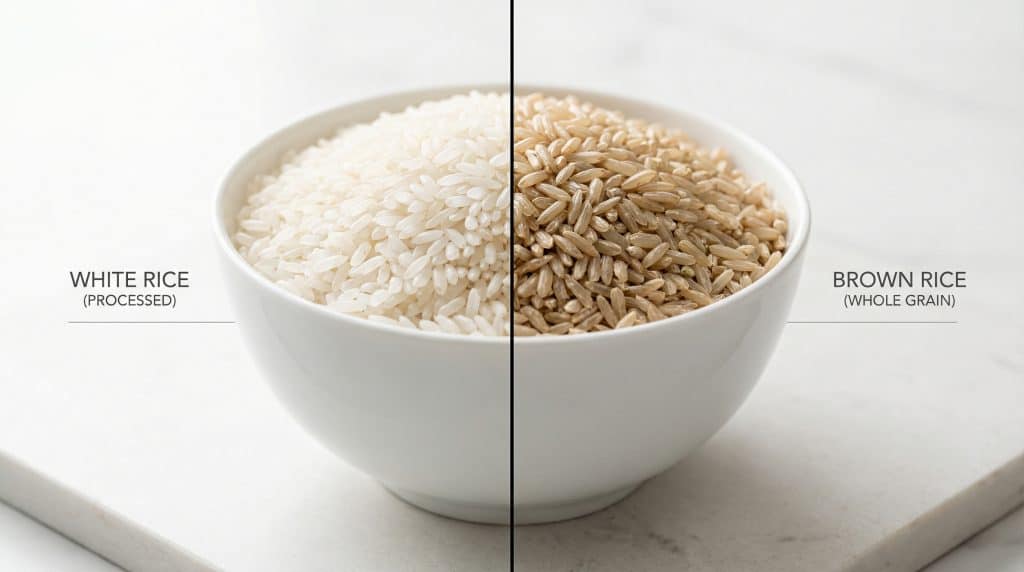
- Rice (white or brown, doesn’t matter)
- Pasta (bonus points if you cook it al dente firmer pasta = less blood sugar spike to begin with)
- Potatoes
- Beans and legumes (these respond REALLY well some studies show multiple heat cool cycles can more than double the resistant starch)
It does NOT work on:
- Sugary foods
- Cake
- Brownies
- Basically anything where you’re hoping refrigeration will magically make dessert healthy
Cooling a brownie doesn’t make it “better for you.” It just makes it cold and slightly sad.
A Quick Note on Boiling
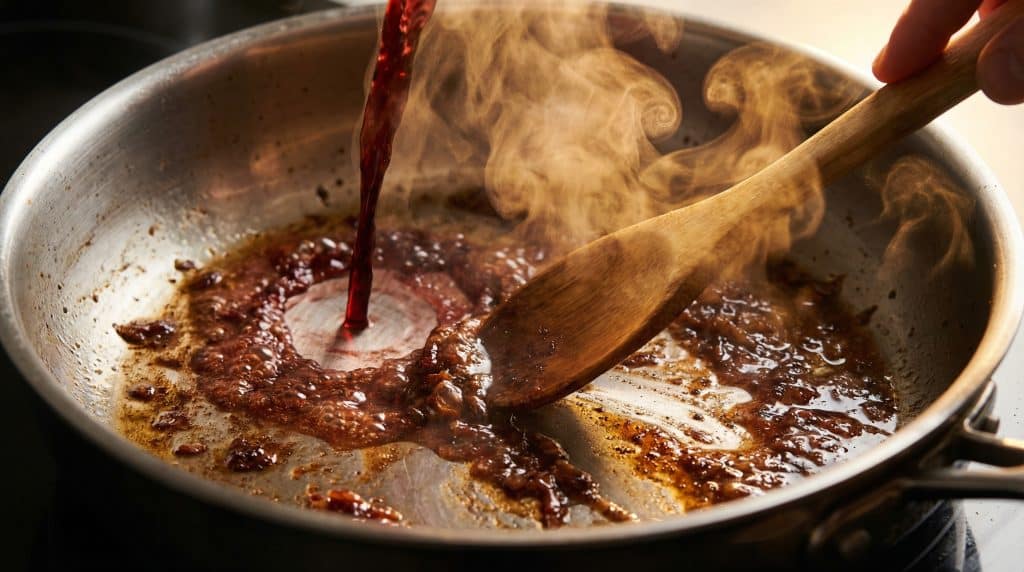
While we’re talking cooking methods if you’re boiling your veggies, you might be literally pouring nutrients down the drain. Boiling can leach out fiber (up to 48% depending on the food!) and simple sugars into the water.
The fix? Save that cooking water for soups or sauces. Or just steam your vegetables instead less water contact means you keep more of the good stuff.
Steaming, roasting, and even microwaving (yes, really microwaves get a bad rap for no reason) all preserve more nutrients than boiling in most cases.
Other Things That Actually Help
Since we’re on the topic of blood sugar, here are a few more tricks I’ve picked up:
Add acid after cooking. A squeeze of lemon or splash of vinegar at the end can lower a meal’s glycemic impact by 20-30%. Heat reduces the acidity, so add it after.
Eat your veggies and protein first. Then the starch. This sequence genuinely lowers glucose spikes compared to eating everything mixed together. I know it sounds too simple, but the research backs it up.
Pair carbs like carbs in garlic with protein. Pasta with cheese behaves differently in your body than plain pasta. Protein slows everything down.
The Real Talk Disclaimer
Your results will probably vary from the studies maybe by 15-30%. Glucose response depends on your gut microbiome, your insulin sensitivity, what else you ate that day, whether Mercury is in retrograde (okay, not that last one).
And if you’re actively managing diabetes or on glucose affecting medications, definitely talk to your doctor before making diet changes. This is general “hey, neat trick” info, not medical advice.
The Actual Takeaway
Here’s what I want you to remember: the carb label math basics on the package is set before you even turn on the stove. Cooking doesn’t change the grams.
But what you do after cooking? That matters a lot.
So tonight, make extra rice. Or cook more pasta than you need. Stick the leftovers in the fridge, and eat them tomorrow. You’re not being lazy you’re being strategic.
And if anyone catches you eating cold rice at midnight, just tell them you’re optimizing your resistant starch intake. Very scientific. Very intentional.
(You’re welcome.)