






Why Barracuda Is a Hard No (And the CDC Agrees With Me)
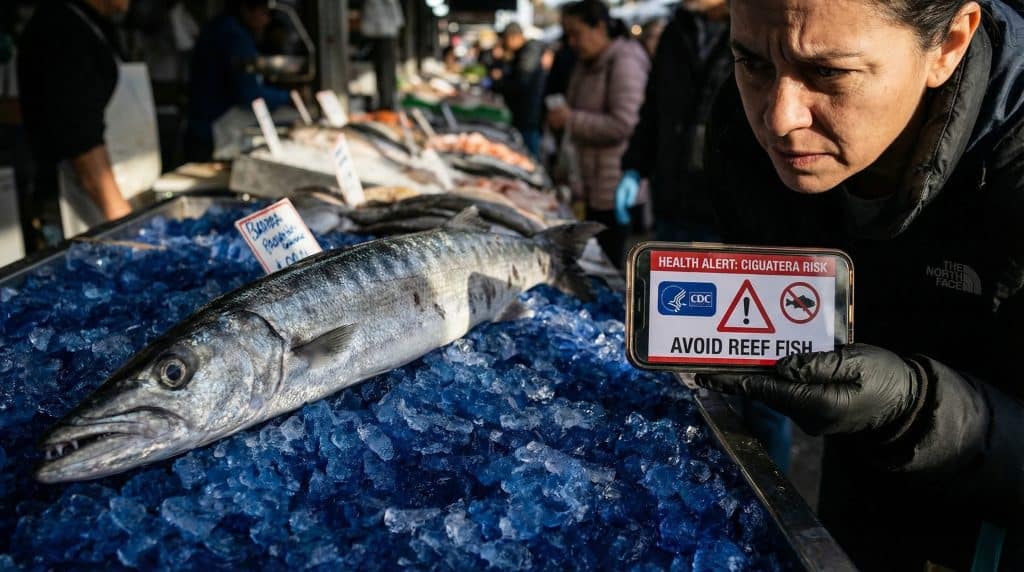
Look, I love seafood. Give me a fish taco on a beach vacation and I’m a happy human. But there’s one fish I will never, ever order, and that’s barracuda. Not because I’m picky because the CDC basically says “please don’t” and I’ve decided to listen.
Here’s the thing that makes barracuda different from your standard food safety concerns: the toxins in this fish cannot be cooked out, frozen out, or prepped out. There’s no amount of heat or fancy kitchen technique that saves you here. Your only protection? Just… don’t eat it.
The Rule Is Simple: Skip the Barracuda
The CDC’s guidance isn’t complicated, and I’m going to make it even simpler:
- Barracuda from tropical or subtropical waters: Avoid entirely. Any size. No exceptions.
- Other reef fish: Skip them if they’re over five pounds.
- Safer choices: Open ocean fish or farmed fish are your friends.
That’s it. That’s the whole strategy. Memorize it before your next beach trip and you’re golden.
What Ciguatera Poisoning Actually Feels Like
If someone does eat contaminated fish, symptoms usually show up within a few hours (though sometimes up to a day later). First comes the stomach stuff nausea, vomiting, diarrhea, cramps. Standard food poisoning vibes.
But then it gets weird.
The signature move of ciguatera is something called temperature reversal, where cold things feel burning hot and hot things feel cold. Your iced drink feels like it’s scalding you. It’s deeply unsettling, and it’s the symptom that makes doctors go “ah, okay, this is probably ciguatera.”
You might also get tingling in your lips, tongue, hands, or feet, plus fatigue, muscle aches, and itching. In bad cases, heart and breathing issues can happen. And here’s the real kicker: the neurological symptoms can stick around for weeks or even months.
Diagnosis and Treatment (The Frustrating Truth)
There’s no quick test for this. Doctors figure it out based on your symptoms plus what you ate recently. So if you’re feeling any of the above after a seafood meal, be ready to tell your doctor exactly what fish it was and where it came from.
As for treatment? There’s no antidote. (I know. I’m sorry.) It’s basically hydration, rest, and managing symptoms while your body processes things. If you’re severely dehydrated, having heart issues, or struggling to breathe, get to a doctor immediately they can help with IV fluids and medication.
Most people recover in days to weeks, but those lingering neurological symptoms are no joke.
Why Barracuda Specifically? (It’s the Food Chain)
Here’s the part I actually find fascinating, in a morbid way.
Barracuda aren’t born toxic. They become toxic by being very, very good at their job which is eating other fish.
Tiny organisms called dinoflagellates live on coral and seaweed and produce ciguatoxins. Little fish nibble on those surfaces and absorb small amounts. Bigger fish eat those little fish and concentrate the toxin further. Then along comes a barracuda, an apex predator that spends years eating thousands of contaminated fish, stacking toxins like some kind of horrible loyalty rewards program.
By the time a large barracuda ends up on a plate, its toxin levels can be 10 to 20 times higher than what’s considered safe for a taste versus safety tradeoff. And no, there’s no “safe size” of barracuda smaller ones just tend to be less toxic on average, but that’s not exactly reassuring.
How to Actually Protect Yourself
Before your next coastal vacation or fishing trip review region specific safety notes:
- Check local fish advisories. They exist for a reason.
- Ask where your seafood comes from. It’s not rude. It’s smart.
- Talk to locals. Restaurant staff and fishers usually know which species are risky in their area.
I’m not here to scare you off seafood forever just off this one particular fish. There’s a whole ocean of delicious, non-toxic options out there. Barracuda can sit this one out.