

I’ll never forget the first time I tried sushi with fish eggs. Those tiny, colorful pearls burst in my mouth with a salty crunch that completely changed how I thought about sushi.
If you are wondering what those little orange, red, or black balls are on your sushi, you’re in the right place. Fish eggs, called roe, are a major part of Japanese cuisine and add incredible flavor, texture, and color to sushi.
The three most popular types are Tobiko (flying fish roe), Masago (capelin roe), and Ikura (salmon roe).
Today, I’ll explain everything about these fish eggs – their flavors, textures, uses, and how to order them confidently at your favorite sushi restaurant.
What Are Fish Eggs (Roe) in Sushi?
Fish eggs used in sushi are called roe – the fully developed eggs from female fish. While people often confuse roe with caviar, there’s a difference.
Caviar specifically refers to salt-cured sturgeon eggs and is very expensive. Roe comes from many fish types and is more affordable.
Before appearing on your sushi, roe is cured with salt and sometimes flavored or colored. Chefs might mix it with wasabi for green roe or squid ink for black roe.
Sushi chefs love using roe for three reasons. First, it adds a satisfying crunch or pop. Second, it brings umami – that savory, delicious taste.
Third, the bright colors create beautiful visual contrast, making it look as good as it tastes.
The Most Popular Types of Fish Eggs Used in Sushi
Let’s look at the three most popular fish eggs you’ll find at sushi restaurants and what makes each one special.
Tobiko (Flying Fish Roe)
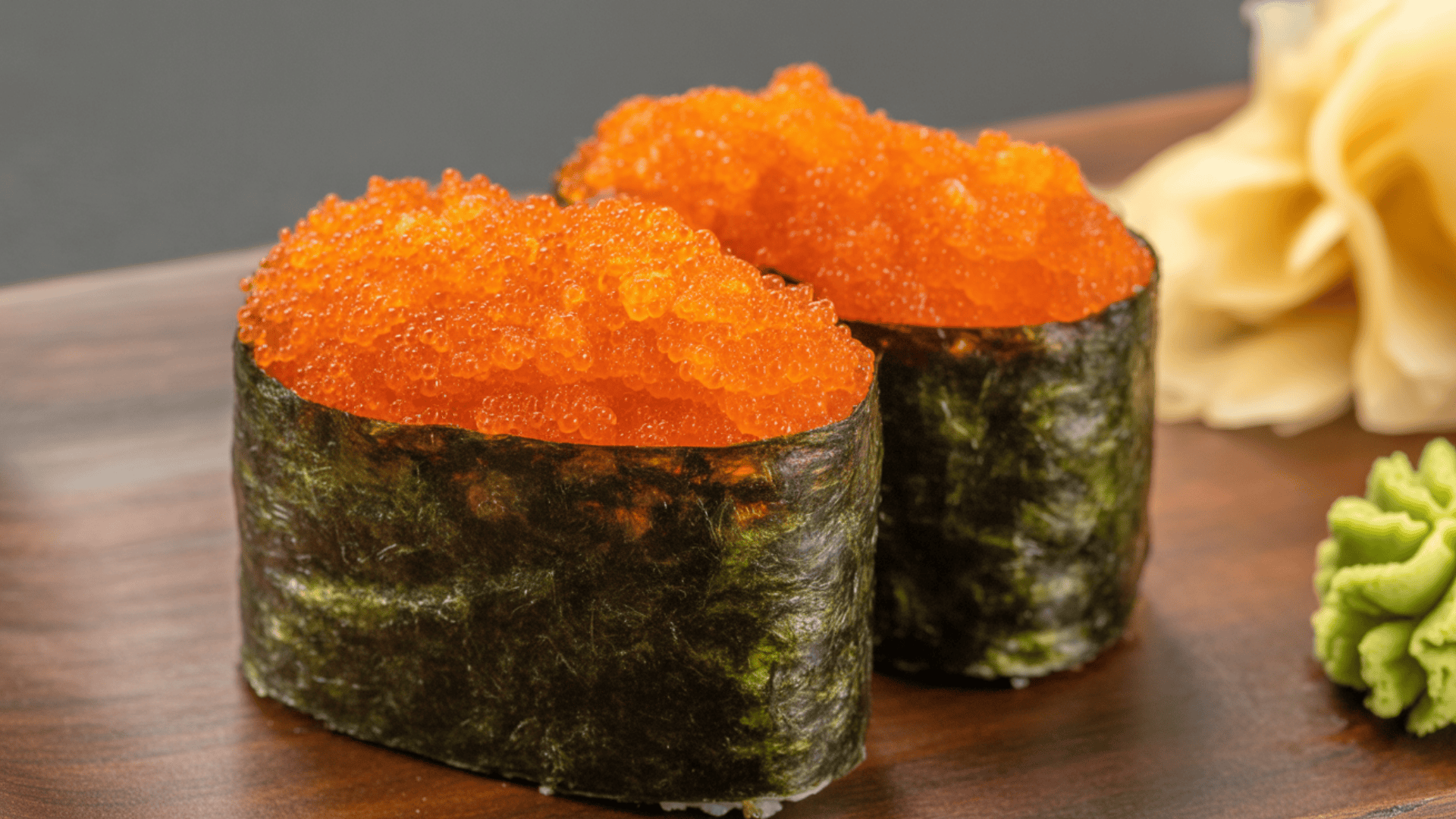
Tobiko is tiny flying fish roe known for its bright orange color and satisfying crunch. When you bite into it, you get a crispy pop with a slightly salty, smoky, and subtly sweet flavor.
You’ll find tobiko on California rolls, gunkan maki, and as a colorful garnish on sushi. Tobiko comes in color variations: natural orange, black (squid ink), green (wasabi), red (beet), and yellow (yuzu).
Each adds a slightly different taste. Tobiko costs more than masago because flying fish are harder to catch, and the eggs have better texture and flavor.
Masago (Capelin Roe)
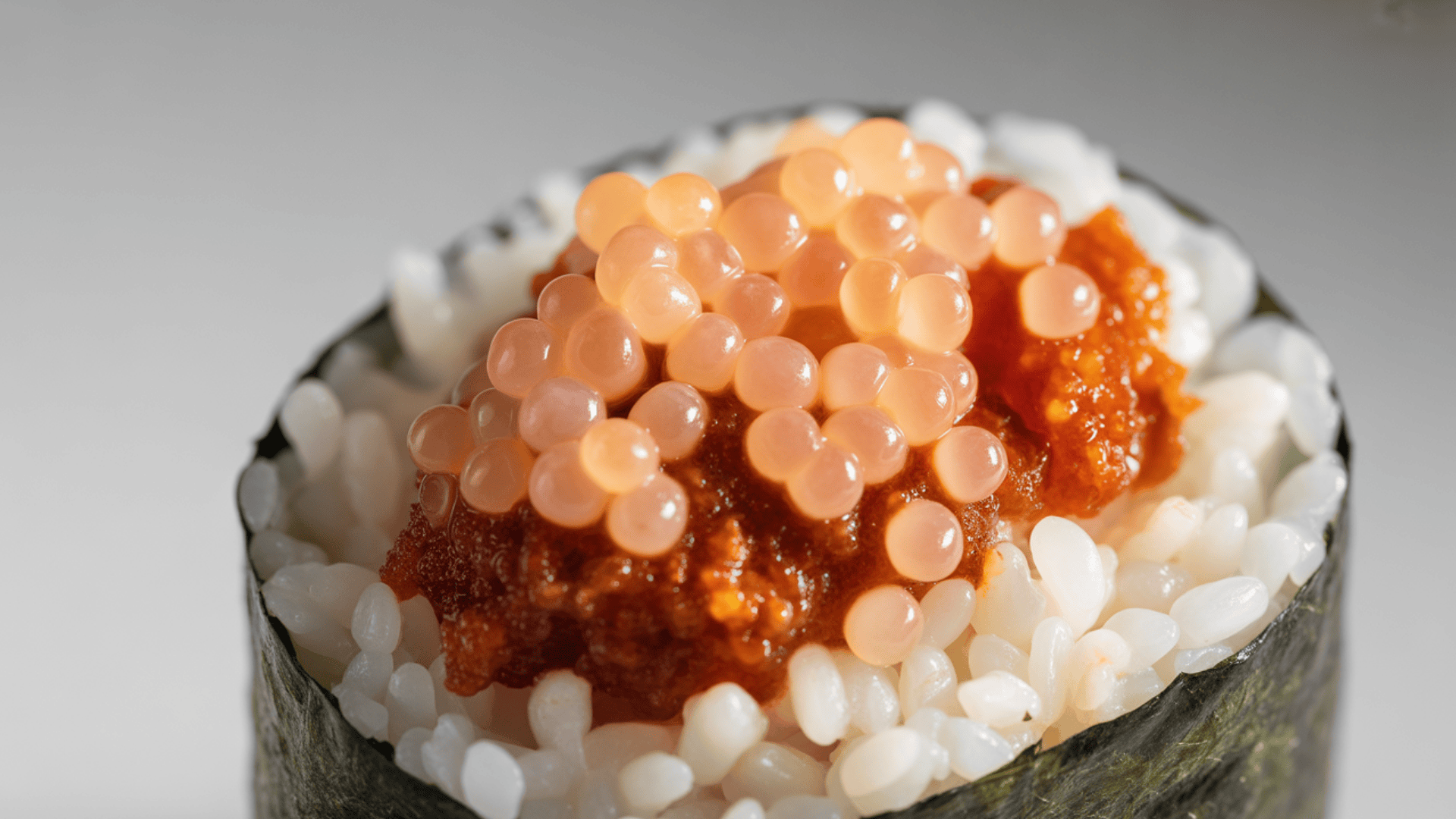
Masago comes from capelin fish and is smaller, softer, and less crunchy than tobiko. It has a pale orange or yellowish color with a mild, subtle flavor.
While slightly salty and oceanic, it doesn’t have tobiko’s bold taste or satisfying crunch. Because masago is cheaper and easier to find, many restaurants use it as a substitute for tobiko.
You’ll see it in spicy tuna rolls, sushi bowls, and budget-friendly maki. It’s perfect for trying sushi with fish eggs without spending much. If you want that signature crunchy pop, though, tobiko is better.
Ikura (Salmon Roe)
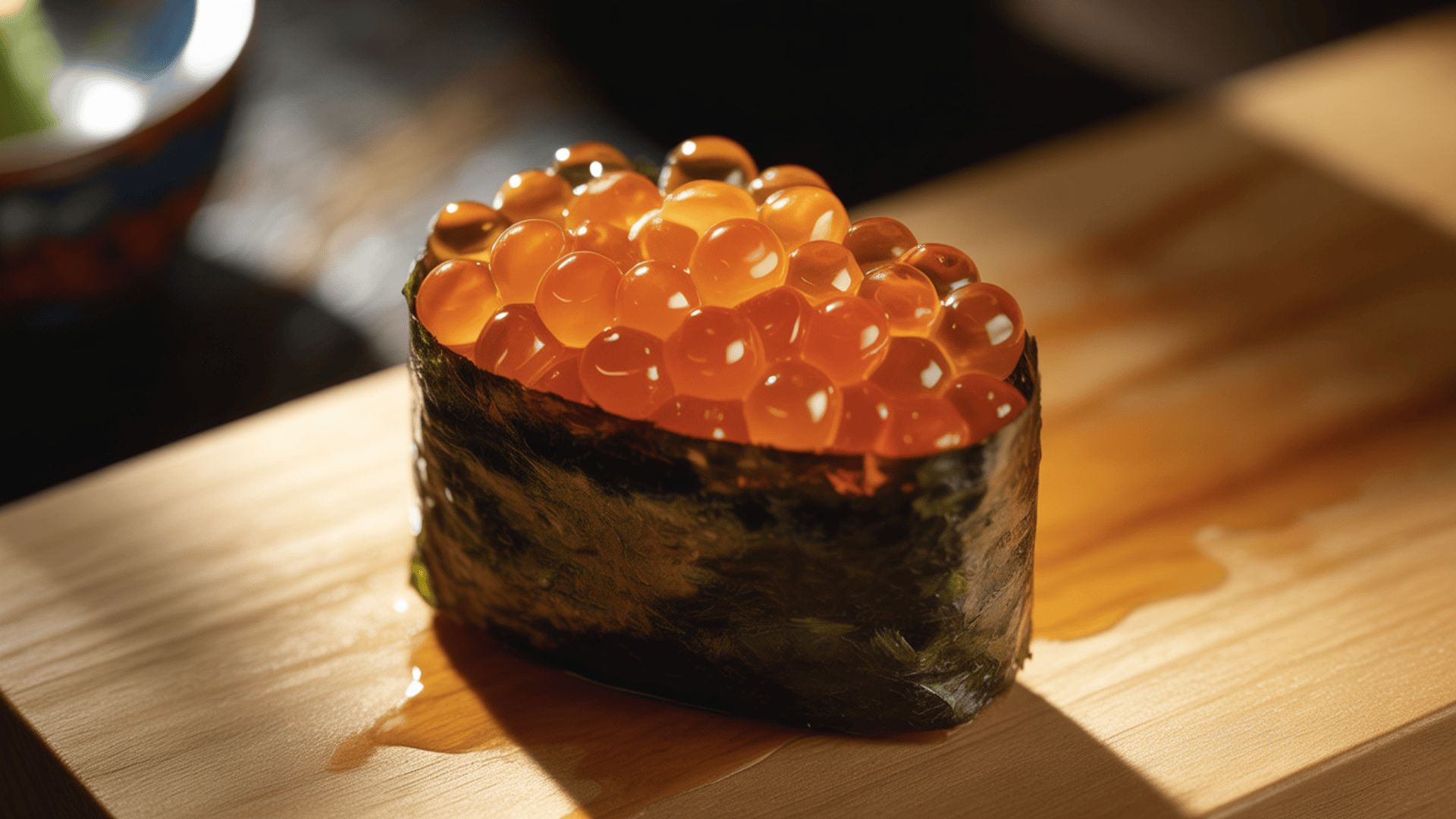
Ikura is salmon roe with large, pearl-sized eggs that have a gorgeous translucent orange color. When you bite into it, the egg bursts with rich, salty, oceanic flavor – like an umami explosion in your mouth.
The texture is soft and juicy, not crunchy. The most popular way to enjoy ikura is in ikura gunkan, piled on sushi rice and wrapped with seaweed. You’ll also find it in chirashi bowls.
Ikura is often cured in soy sauce and mirin before serving. It’s considered premium roe and costs more than tobiko or masago.
Other Types of Roe You Might Find in Sushi
While tobiko, masago, and ikura are the big three, there are other fish eggs you might see at sushi restaurants.
Kazunoko (Herring Roe)
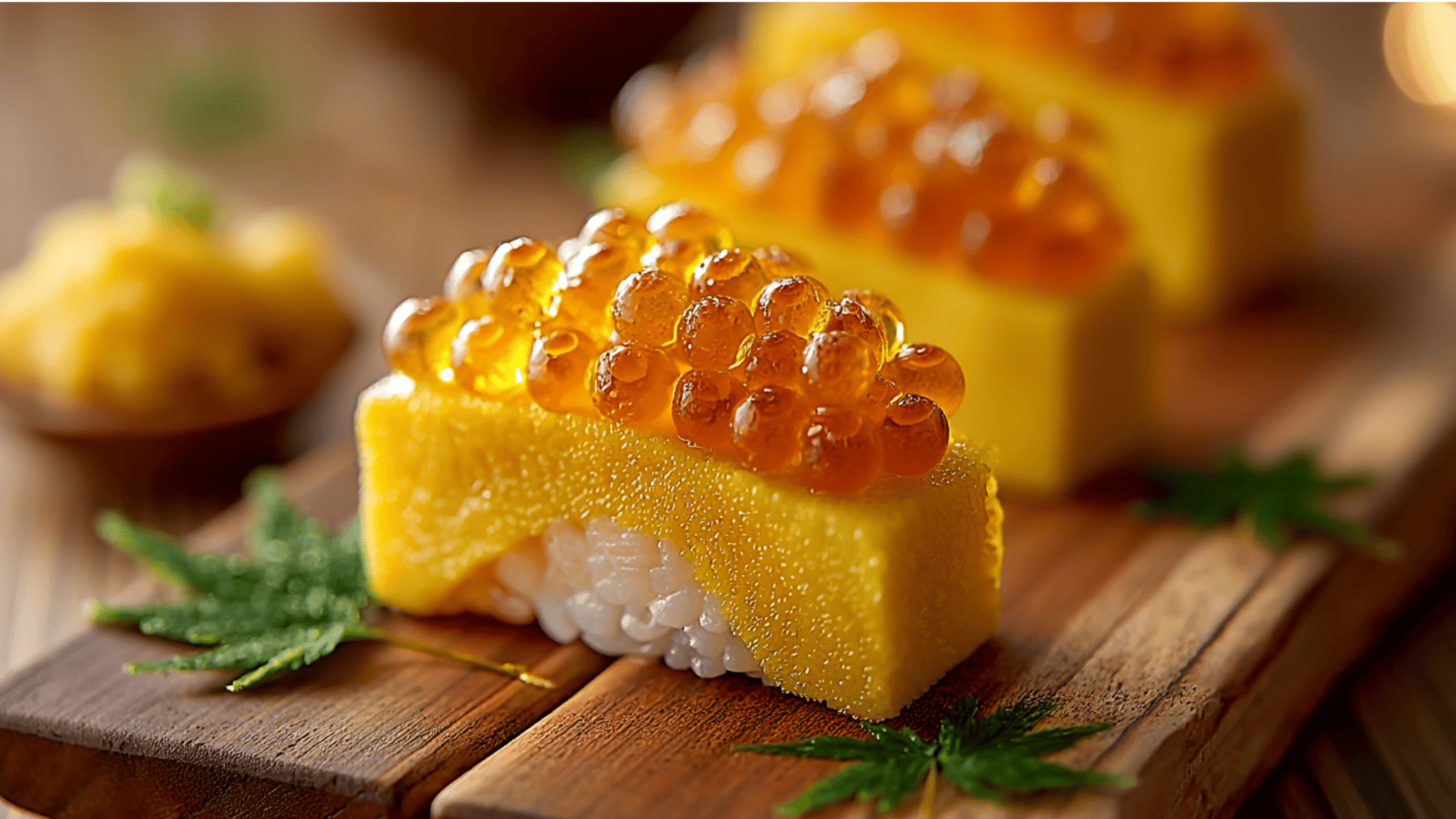
Kazunoko has a unique, crunchy, layered texture unlike other roe. These herring eggs are often served during Japanese New Year celebrations because they symbolize fertility and prosperity.
Kazunoko has a firm, satisfying bite with a salty flavor. It’s not as common in everyday sushi but appears in traditional Japanese dishes.
The texture is what makes kazunoko special – it’s almost like biting into tiny, connected beads that crunch together. If you see it on a menu, it’s worth trying for the unique experience.
Mentaiko (Spicy Pollock Roe)
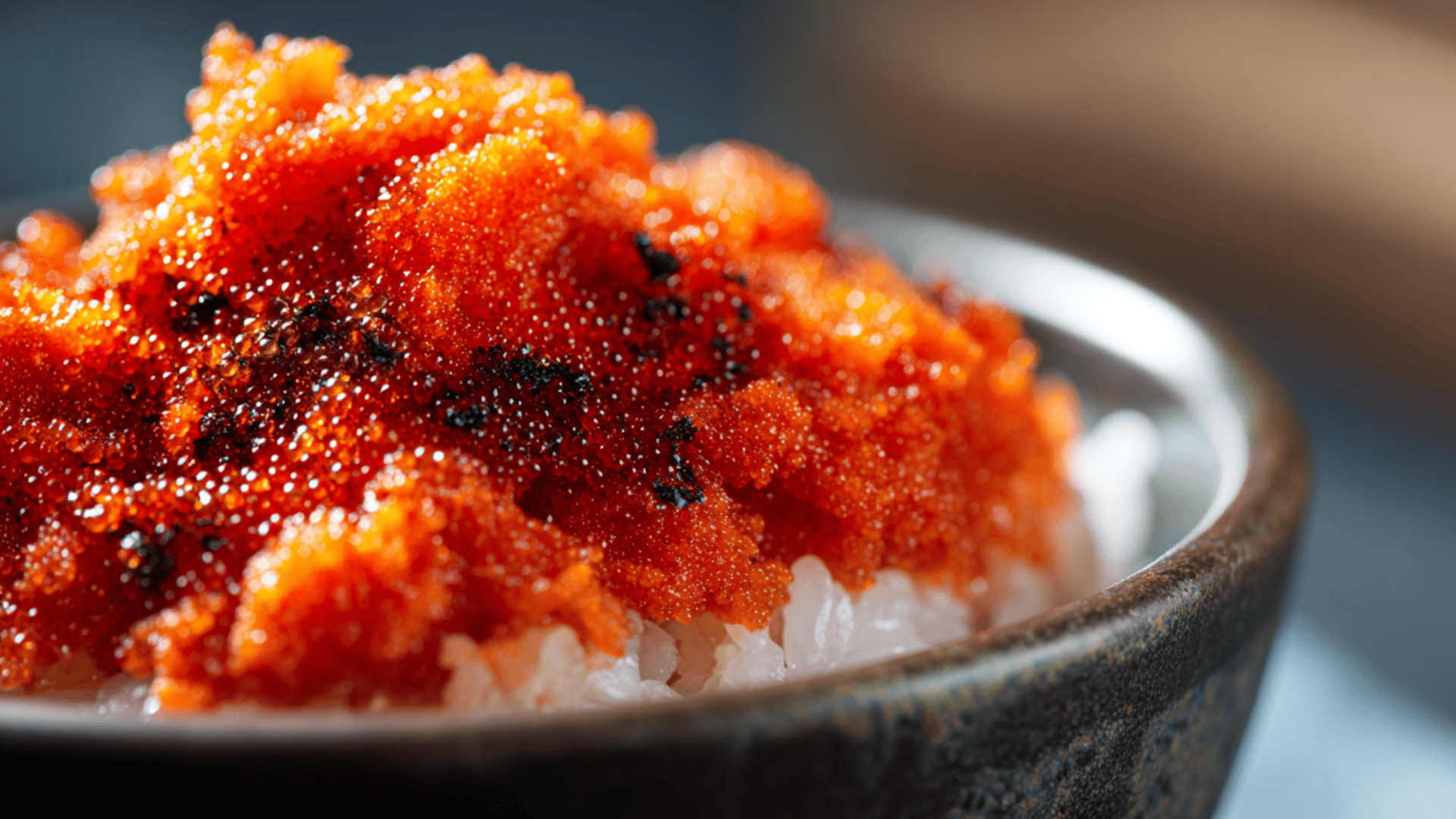
Mentaiko is pollock roe that’s been marinated in chili peppers and seasonings, giving it a spicy kick. Unlike other roe used in sushi, mentaiko has a creamy, paste-like texture rather than individual eggs.
You’ll often find it in fusion sushi rolls or spread on rice. It’s also popular in Japanese-Italian fusion dishes like mentaiko pasta.
The flavor is bold, spicy, and slightly smoky. Mentaiko adds heat and creaminess to dishes, making it perfect for people who love spicy food. It’s becoming more popular in modern sushi restaurants.
Uni (Sea Urchin)

Uni is technically not fish roe – it’s actually sea urchin gonads – but it’s often grouped with fish eggs because of how it’s used in sushi. Uni has a creamy, custard-like texture that melts in your mouth.
The flavor is rich, sweet, and oceanic with a buttery finish. Some people absolutely love uni’s unique taste, while others find it too strong or strange.
It’s usually served on top of sushi rice as nigiri or in gunkan style. Uni is considered a delicacy and is quite expensive, so it’s a special treat for adventurous sushi eaters.
Keep in mind that not every sushi restaurant will have all these types. Availability depends on the restaurant’s location, supplier, and style.
Tobiko vs. Masago vs. Ikura: Key Differences
Let’s break down the main differences between the three most popular types of sushi with fish eggs so you know exactly what to expect.
| Feature | Masago | Tobiko | Ikura |
|---|---|---|---|
| Size & Texture | Smallest and softest | Slightly larger with crunchy pop | Largest with juicy, bursting texture |
| Flavor Intensity | Mildest flavor | Lightly salty with subtle sweetness | Strongest, most oceanic, salty taste |
| Color & Presentation | Pale orange or yellow | Bright orange (or colored variations) | Translucent orange, looks like jewels |
| Price | Most affordable | Mid-range pricing | Most expensive |
| Best For | Beginners, budget-conscious diners | Beginners to intermediate sushi eaters | Adventurous eaters who love bold seafood |
| Best Pairing | Rolls and bowls without overpowering | California rolls, gunkan, and toppings | On its own or simple nigiri |
Understanding these differences helps you order exactly what you’re in the mood for.
What Are the Most Expensive Fish Eggs for Sushi?
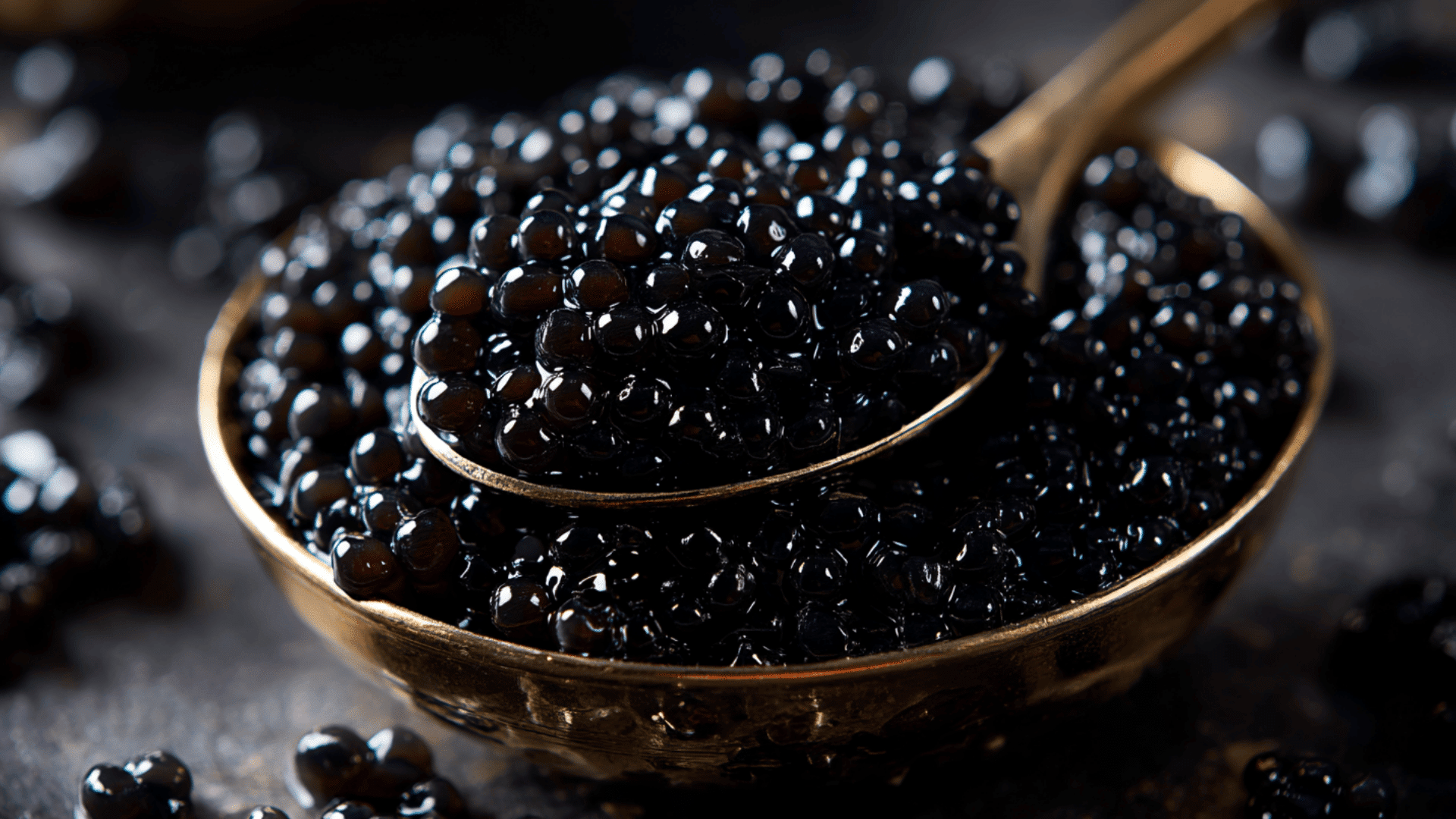
The most expensive fish eggs come from sturgeon – true caviar like Beluga, Osetra, and Sevruga, costing hundreds or thousands per ounce.
However, they’re rarely used in traditional sushi due to extreme prices and different flavors. In sushi restaurants, ikura is typically the most expensive option, priced at $15-30 per piece.
High-quality tobiko follows, especially specialty variations like wasabi or yuzu tobiko. Uni (sea urchin) can rival or exceed ikura’s price depending on quality and seasonality.
How Sushi Chefs Use Fish Eggs in Sushi
Sushi chefs use fish eggs for more than flavor – roe adds beautiful color and texture contrast. Bright orange tobiko or green wasabi tobiko makes rolls look instantly more appetizing.
Fish eggs shine in gunkan maki, small “battleship”- style sushi in which rice is wrapped in seaweed and topped with roe. The seaweed holds the eggs like a cup.
In fusion sushi, chefs combine roe with spicy mayo or sriracha. They handle roe carefully, since eggs are fragile, and season lightly to increase natural flavors.
Some add sake or citrus juice. The key is balance – adding pop without overpowering.
Is Sushi With Fish Eggs Safe to Eat?
Sushi with fish eggs is safe when served by reputable restaurants that follow strict food safety guidelines for sourcing, handling, and storage.
Pregnant women should consult their doctor before eating raw roe due to bacterial or parasite risks. Fish eggs are high in sodium, so those monitoring salt intake should eat roe in moderation.
Avoid roe completely if you have fish or seafood allergies – it can trigger reactions like fish does. When eating at trusted sushi restaurants without dietary restrictions, fish eggs are perfectly safe and delicious.
How to Order Sushi With Fish Eggs
Ordering sushi with fish eggs is easy for beginners. Start with a California roll with tobiko or a spicy tuna roll with masago for a gentle introduction.
At sushi bars, ask: “What type of fish eggs do you use?” Chefs happily explain and may offer samples.
Cost (what to expect): Prices vary a lot by restaurant and location, but masago is usually the cheapest, tobiko is mid-range, and ikura (and uni, if available) are typically the priciest. If you’re watching your budget, start with masago or a roll with a light tobiko topping.
First-timer tip: Order a small ikura gunkan or roll with minimal roe. Taste before committing to a full order.
Final Thought
After learning about the different types of sushi with fish eggs, I hope you’re excited to try them.
Tobiko brings satisfying crunch and vibrant color, masago offers a budget-friendly mild option, and ikura delivers bold, luxurious flavor that seafood lovers crave.
No matter if you’re a beginner starting with a California roll or an adventurous eater ready for ikura gunkan, there’s a perfect fish-egg variety for you.
I encourage you to try these colorful pearls next time you visit a sushi restaurant. You might find your new favorite topping that transforms your sushi experience!
Frequently Asked Questions
Can You Eat Fish Eggs Raw, or Are They Cooked?
Fish eggs in sushi are typically raw but salt-cured for preservation and flavor. The curing process doesn’t cook them; it just makes them safe to eat.
How Long Do Fish Eggs Last in The Refrigerator?
Unopened roe lasts 2-3 weeks refrigerated. Once opened, consume within 3-5 days. Store in airtight containers at 32-39°F and check for off smells before eating.
What Do Fish Eggs Taste Like if You’ve Never Tried Them?
Fish eggs have a salty, oceanic, umami flavor. Texture varies – tobiko pops and crunches, while ikura bursts with juice. It’s pleasantly briny, not unpleasantly fishy.