

Spanish vs. Hungarian Paprika: Why Your Goulash Tastes Like a Campfire (And How to Fix It)
Look, I need to confess something: I spent years using the wrong paprika. I’d grab whatever red powder was closest, dump it in, and wonder why my paprika chicken tasted like I’d cooked it over a bonfire while my friend’s Hungarian goulash tasted like pure, sweet pepper heaven.
Turns out, Spanish and Hungarian paprika are basically two different spices wearing the same outfit. They look identical on the shelf both red, both labeled “paprika” but they do completely different things to your food. Once I figured this out, suddenly recipes started making sense. So let me save you the confusion I lived in for way too long.
The One Thing You Actually Need to Know
Here’s the short version: Spanish paprika = smoky. Hungarian paprika = not smoky.
That’s it. That’s the tweet.
Spanish pimentón gets its flavor from being dried over smoldering oak for 10-15 days. When you open that tin, it smells like a campfire had a baby with a sweet pepper. It’s intense. It’s delicious. It will absolutely hijack your cream sauce if you weren’t expecting it.
Hungarian paprika goes the opposite route sun dried or warm air dried, giving you straight up fruity, naturally sweet pepper flavor. No smoke. Just clean, gorgeous color and taste.
(If you ever see “smoked Hungarian paprika” at the store, that’s a flavored variation someone invented, not a traditional thing. Check the label and proceed with skepticism.)
Heat Levels: A Quick Breakdown
Both types come in different heat levels, but here’s what you actually need to remember:
Spanish pimentón has three levels:
- Dulce (sweet) mostly smoke, almost no heat. This is what “smoked paprika” usually means.
- Agridulce (bittersweet) medium warmth with a slight bitter edge.
- Picante (hot) real heat, but won’t melt your face off.
Hungarian paprika technically has eight grades (I know, I know), but you’ll mostly encounter:
- Édesnemes (noble sweet) the standard. Deep red, mild, fruity. This is your go to.
- Különleges (special quality) the fancy one. Mildest heat, strongest color, most layered flavor. Traditional cooks swear by it for goulash.
- Erős (hot) and I mean hot. Hotter than any Spanish variety by a mile. If your paprika looks brownish orange instead of bright red, you might be holding this one.
My personal ranking from mild to “why is my mouth on fire”:
- Spanish dulce / Hungarian édesnemes (about equal)
- Spanish agridulce
- Spanish picante
- Hungarian erős (hottest handle with respect)
The Technique That Changed Everything for Me
Okay, this is the thing nobody told me for years, and I’m still a little mad about it:
Bloom your paprika in fat.
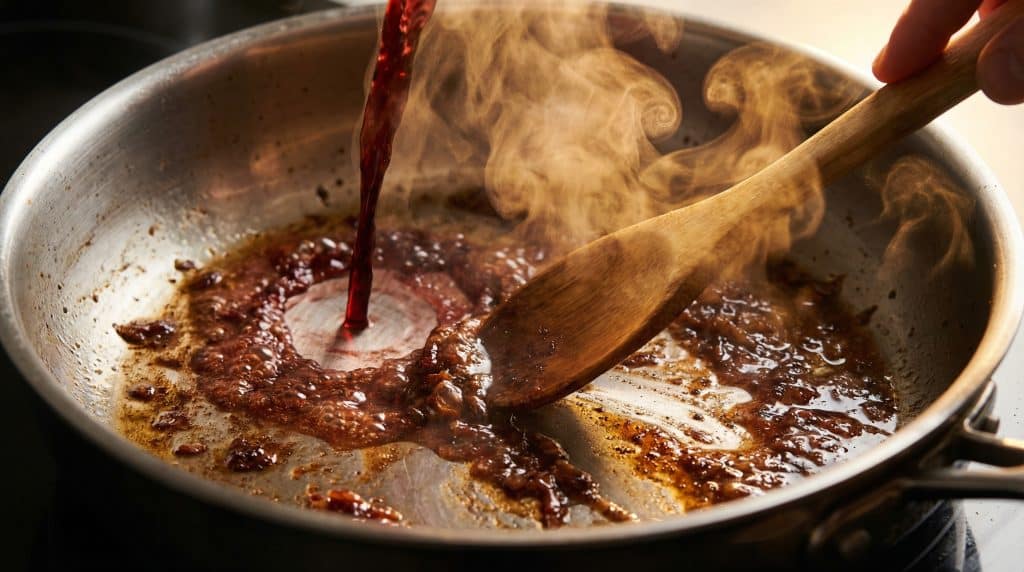
This is the difference between flat, dusty tasting paprika and actual paprika flavor. Stir a tablespoon or two into warm butter or oil over medium low heat for 30-60 seconds. Watch the color deepen. Smell that shift from raw powder to cooked sweet pepper. That’s the flavor you’re after.
Remove it from heat before adding any liquid, because here’s the catch: both types contain a lot of natural sugar and will burn fast if you’re not paying attention. Once it goes bitter, there’s no saving it. (Ask me how I know.)
One more timing tip: Hungarian sweet paprika can simmer for a while and actually develops more flavor over time. La Vera smoked paprika tends to get harsh if you cook it too long I usually add it partway through so the smoke stays clean and doesn’t turn acrid.
When You Can Swap (And When You Really Shouldn’t)
Some swaps are fine. If you’re just adding color to potato salad or deviled eggs, Spanish dulce and Hungarian édesnemes can trade places without drama.
But here’s the rule I live by: never substitute smoked Spanish paprika into a recipe expecting sweet Hungarian.
The smoke will transform your dish into something completely different. Your creamy chicken paprikash will suddenly taste like you cooked it in a smokehouse. Maybe that sounds good to you? But it’s not what the dish is supposed to be.
Going the other direction is easier. If you need Spanish smoked but only have Hungarian, you can mix édesnemes with a few drops of liquid smoke in a smoky garlic aioli. Not traditional, but it works in a pinch.
Bottom line: When in doubt, use a sweet variety and add heat separately with another chili. Don’t introduce smoke where it doesn’t belong.
Your Quick Cheat Sheet
| You Need This… | Grab This |
|---|---|
| Smoky flavor without a grill | Spanish smoked (La Vera) |
| Traditional Hungarian dishes | Hungarian édesnemes or különleges |
| Spanish stews or dry rubs | Spanish smoked |
| Cream based sauces | Hungarian sweet |
| Color more than flavor | Either sweet type |
| Maximum heat, no smoke | Hungarian erős |
| Recipe just says “paprika” | Hungarian édesnemes |
One Last Thing: The Scrambled Egg Test
If you’re still unsure which paprika is which in your cabinet, here’s my favorite trick: make scrambled eggs two ways tonight. Same eggs, same butter, but finish one batch with a pinch of Spanish smoked and one with Hungarian sweet.
You’ll taste the difference immediately. The Spanish one will have that unmistakable campfire note. The Hungarian one will taste bright, fruity, and purely peppery.
Once you do this once, you’ll never grab the wrong tin again. And your goulash will finally stop tasting like a bonfire unless you want it to, in which case, you do you.