

Why Your Paprika Tastes Like Absolutely Nothing
Let me guess: you’ve got a jar of paprika in your cabinet that’s been there since… actually, you’re not sure when. You sprinkle it on deviled eggs because that’s what you’re supposed to do, but honestly? You couldn’t tell me what it’s supposed to taste like.
Here’s the thing most paprika in American kitchens is basically edible glitter. Pretty? Sure. Flavorful? Not even a little.
I spent years thinking paprika was just “the red one” until I accidentally bought Hungarian paprika at a fancy grocery store and had a full on awakening over a pot of chicken paprikash. Turns out I’d been cooking with expensive dust my whole life.
So let’s fix that.
Your Paprika Is Probably Lying to You
First, go grab your jar. I’ll wait.
Now check the ingredients. If it lists salt or anti-caking agents, congratulations you’ve been paying spice prices for filler. Manufacturers sneak salt in there to mask the fact that these peppers were grown for color, not flavor.
Even if your paprika is “pure,” domestic stuff (the kind just labeled “paprika” at the grocery store) is intentionally mild. California peppers produce this vegetable-y, one note powder by design. That’s not staleness that’s the product working as intended. Which is… a choice.
Real flavor comes from two places:
Hungarian Sweet (Édesnemes) This is what you actually want 90% of the time. It’s got this mellow, sun ripened sweetness with actual depth. Look for tins that say Szeged or Kalocsa. This is goulash paprika. This is the good stuff.
Spanish Smoked (Pimentón de la Vera) If you want that smoky, almost bacon-y thing happening, this is where you compare Spanish and Hungarian types. But check the label if it says “smoke flavoring,” put it back. Real pimentón is oak dried, not chemically smoked. Look for DOP certification if you want to be fancy about it.
Hungarian Hot (Erős) Same sweetness as the Hungarian sweet, but with actual heat because they leave the seeds in. I keep a small tin around for when I want both warmth and flavor without reaching for cayenne.
Here’s the uncomfortable truth: expect to pay $8+ per ounce for the good stuff. If your paprika cost $3 for a huge jar, well… you got what you paid for.
Your Kitchen Is Slowly Murdering Your Spices
Even quality paprika has a shelf life of about a year under perfect conditions. In a real kitchen? More like a few months before it starts fading.
And that spice rack above your stove? (I know you have one. We all did at some point.) That’s basically a paprika crematorium. Heat, light, and oxygen are the unholy trinity of spice destruction, and that spot delivers all three every time you cook.
Signs your paprika is dead:
- It’s turned brownish instead of vibrant red orange
- It’s clumping up like it’s been through something
- You’re using triple what recipes call for and still tasting nothing
- The sniff test produces… nothing
If it’s still alive, keep it that way: transfer to an opaque, airtight container (amber glass is great) and stash it in a cool, dark cabinet far from your stove. Or honestly? Throw it in the freezer. Freezing keeps paprika good for a year or longer just let it sit out for 15-20 minutes before opening so condensation doesn’t mess with it.
One weird rule: never refrigerate. The humidity creates condensation that ruins it faster than a regular cabinet would. Freezer beats fridge every time on this one.
The Technique That Changes Everything
Okay, here’s where I get a little intense, because this single trick transformed my cooking and I’m genuinely mad nobody told me about it sooner.
Paprika’s flavor compounds dissolve in fat. If you’re just sprinkling it into a watery soup, most of that flavor stays locked in the spice particles. You’re essentially decorating your food.
But and this is important you can’t just dump it into hot oil either. That scorches it instantly and creates this bitter, acrid taste that will haunt your entire dish.
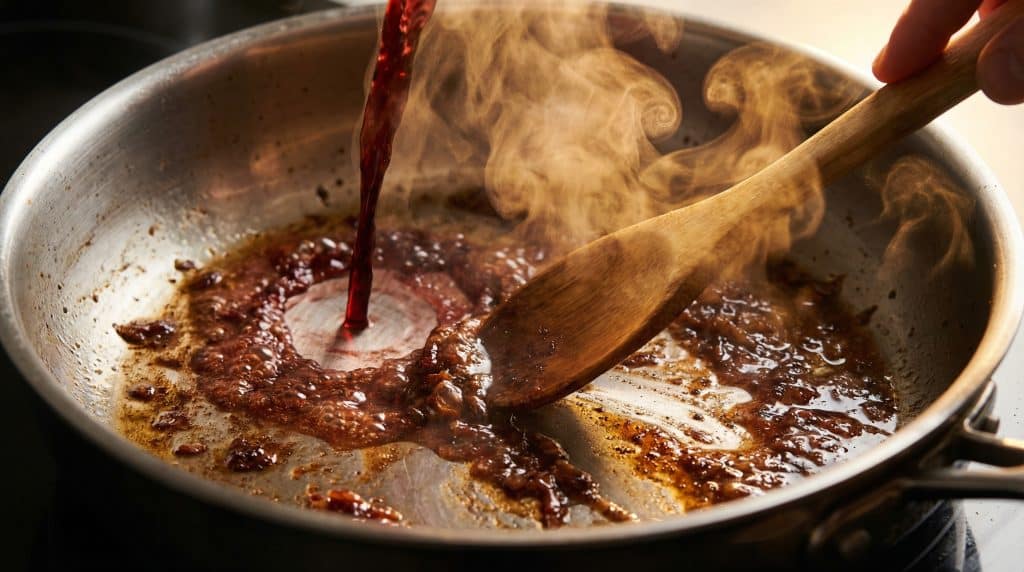
The move is called blooming, and it’s stupidly simple:
- Start with room temperature oil in your pan
- Add your paprika to the COOL oil
- Heat gently until you see gentle sizzling (not aggressive bubbling you’re aiming for around 300°F)
- Hold it there for about 60 seconds. The color will deepen and the aroma will hit you.
- Add your other ingredients immediately
That’s it. That’s the whole secret. The paprika basically wakes up in the warming fat and releases everything it’s got.
If you’re adding paprika to something already cooking, stir it in during the last 5-10 minutes over medium low heat. Keep stirring for 30-60 seconds. And if you see smoke, black specks, or smell anything bitter? You went too hot. Toss it and start over that bitterness isn’t going anywhere.
Quick Timing Cheat Sheet
For deep, foundational flavor: Bloom early in fat. Sweet paprika handles long cooking best.
For brighter, more aromatic punch: Add in the last 5 minutes. Hot paprika works better here since the heat breaks down with long cooking.
For garnish: Use it raw on deviled eggs, hummus, whatever. Just make sure it’s quality stuff.
The pro move: Use it twice. Bloom half at the start for depth, add the rest at the end for brightness. This one adjustment can take a dish from “fine” to “wait, what did you do to this?”
One note if you’re using smoked paprika with tomatoes or anything acidic: smoky compounds break down in acid. Add the paprika before the tomatoes, or stir it in right at the very end. Otherwise your smoke flavor just… disappears.
If You Went Overboard
We’ve all been there. Here’s the hierarchy of fixes:
Acid first: A tablespoon of vinegar or half a tablespoon of lemon juice per cup can mask bitterness. Add slowly you can’t undo acid.
Then sugar: A quarter teaspoon at a time per cup, waiting a few minutes between additions. The line between “fixed” and “weirdly sweet” is thinner than you’d think.
Nuclear option: Add stock plus uncooked rice or cubed potatoes and simmer for 30+ minutes. The starches absorb the excess. It’s not elegant, but it works.
What Makes Paprika Sing
A few quick pairings that make paprika really pop:
- Garlic cuts the sweetness with bite
- Toasted onion brings out paprika’s fruity side
- Fat (cream, cheese, yogurt, chicken thighs) carries paprika flavor way better than lean proteins or clear broths
And if you’re using smoked paprika, try mixing it 50/50 with sweet for smoky garlic aioli. Straight smoked can bulldoze everything else in the dish.
Here’s my challenge: go rub a pinch of your current paprika between your fingers and smell it. If you get nothing? That jar has run its course.
Once you experience what paprika is actually supposed to taste like this bold, sweet, complex thing that makes you understand why entire cuisines are built around it you’ll never go back to the red dust. I promise.