

You know the moment. You’re standing in front of your fridge at 11 AM, staring at last night’s takeout container like it owes you money. “Are you still lunch… or are you about to ruin my whole afternoon?”
Good news: that sushi doesn’t automatically become a biohazard at midnight. With the right timing and storage, tomorrow’s lunch is absolutely on the table. But here’s the thing raw fish and seasoned rice are basically a welcome mat for bacteria, so we need to be smart about this.
Let me walk you through what’s actually safe, what’s pushing it, and when to just let go.
First Things First: Not All Rolls Are Created Equal
The ingredient that spoils fastest is the boss of your whole roll. That spicy tuna doesn’t care that it’s sitting next to perfectly stable cucumber it’s calling the shots.
Raw fish rolls (tuna, salmon, yellowtail):
Best within 12 hours. Don’t push past 24. These are the divas of the sushi world, and honestly, fair enough.
Cooked seafood rolls (shrimp tempura, eel, crab):
Good for about 24 hours, safe up to 2 days. The tempura will lose its crunch (RIP), but you won’t lose your lunch.
California rolls:
Same deal 24 hours to 2 days. Imitation crab is basically indestructible, but your avocado is going to stage a brown protest.
Veggie rolls:
The most forgiving of the bunch. 2-3 days is usually fine, though expect your cucumber to get a little… emotional. Watery. You know.
Philadelphia rolls:
1-2 days. The cream cheese helps with texture, but if there’s raw salmon in there, that fish is still running the show.
Quick tip that has saved me more than once: write the date and time on your container. I know it feels excessive. Do it anyway.
Where You Got It Matters More Than You Think
Your sushi had a whole life before it landed in your fridge, and we need to be honest about that.
Grocery store sushi is the wild card. You have no idea when it was made or if that display case has been holding steady at the right temp. Treat it like it’s already been out longer than you’d like and eat it the same day.
Restaurant leftovers are usually fresher, but remember they sat on your table while you debated splitting dessert. Get them in the fridge within an hour of leaving.
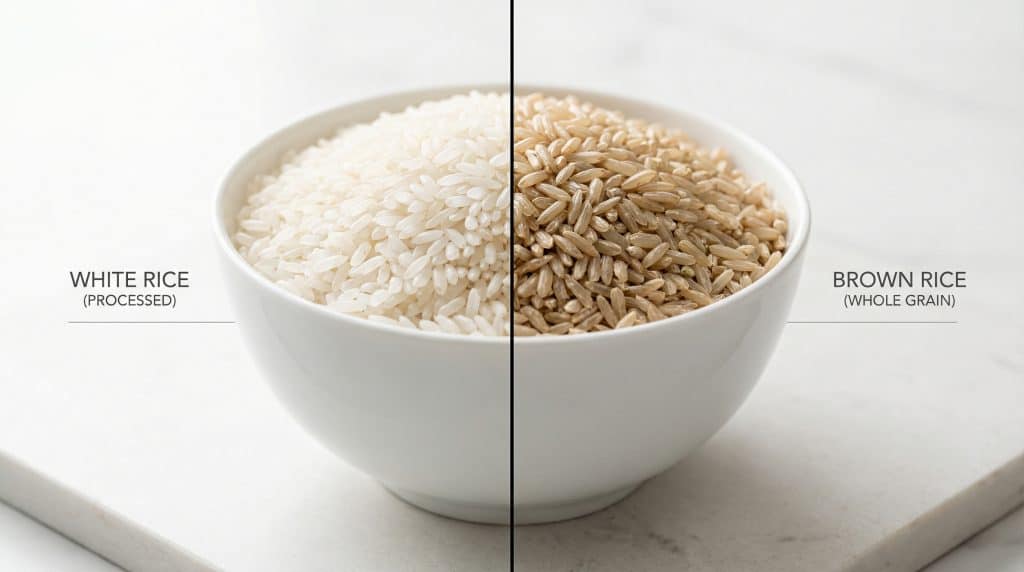
Homemade sushi is where you have the most control (and honestly, the most hope for next day quality). Pro move: keep your fillings and rice separate, then assemble easy brown rice rolls as you eat. It’s like a little build your own happiness station.
A Quick Note for Some of You
I’m not trying to be a buzzkill here, but if you’re pregnant, over 65, have a weakened immune system, or are feeding young kids the FDA says skip raw fish entirely. Not just leftover raw fish. All of it.
I know. It’s not fun. But “cautious” beats “calling the doctor” every single time.
How to Actually Store It Right
Here’s the annoying truth: your fridge keeps the fish safer but wages war on your rice and white rice in sushi. Cold temps make rice starch go all hard and crumbly. You can’t stop this completely, but you can slow it down.
Wrap it tight. Like, really tight. Plastic wrap pressed directly against the cut surfaces, then into an airtight container. This keeps moisture where it belongs and stops your sushi from absorbing that lovely “eau de leftover lasagna” aroma.
Skip the paper towel thing. I know you’ve seen this tip online. It actually pulls moisture OUT of the rice. Only use paper towels on the outside of the plastic wrap to catch condensation.
Middle shelf, not the door. The door warms up every time you grab the oat milk. Your sushi deserves stability.
Keep raw and cooked rolls separated. Even a layer of plastic wrap between them works. Raw fish juices are not something we want mingling with your shrimp tempura.
If you made hand rolls at home, wrap that nori separately. It turns into sad wet paper the second it touches rice, and nobody wants that.
What to Expect When You Open That Container
Let’s manage expectations: day old sushi is “still good,” not “peak dining experience.” We’re being realistic, not tragic.
The rice will be firmer. Let it sit out for 10-15 minutes before eating (but not longer than 20 we’re softening, not incubating).
Raw fish that looked glossy yesterday might look a little dull. That’s oxidation. The flavor flattens too. If it smells aggressively fishy instead of clean and ocean like? That’s your cue to walk away.
For cooked rolls only: A quick microwave can help the rice. Cover with a damp paper towel, heat in 10 second bursts, and stop when it’s barely warm. Never microwave raw fish rolls unless you want to create a lukewarm salmon situation that haunts you. Just don’t.
Tempura won’t get crunchy in the microwave (sorry). If you really need that crunch, pull the pieces out and toast them at 350°F for a few minutes.
Can You Freeze It? (Technically Yes. Should You? Probably Not.)
Look, I’m not going to lie to you. You can freeze sushi. But your home freezer doesn’t flash freeze like commercial operations do, which means ice crystals form slowly and basically destroy everything they touch.
After thawing, expect mushy fish, rice that’s somehow dry AND soggy, and nori that has the texture of wet tissue paper. It’s like your roll went through a tiny weather disaster.
If you absolutely must freeze (no judgment sometimes the fridge is already a mystery container graveyard):
- Wrap in plastic, then foil, then a freezer bag with the air pressed out
- Don’t go past a month
- Thaw overnight in the fridge, NEVER on the counter
- Accept that quality loss is happening
Cooked rolls without raw fish or avocado freeze the least terribly. Eel and shrimp tempura are your safest bets.
Honestly? If you’re going to freeze sushi, plan to use it in something cooked later sushi bake, fried rice, whatever. At least then you’re not pretending the texture survived.
When to Just Let It Go
Your senses are your best food safety tool here. Run through these checks before eating anything you stored:
Smell first. Fresh sushi smells like clean ocean or almost nothing. Ammonia, sourness, or strong fishiness means bacteria have moved in and set up shop. Trust your nose it knows.
Look at the fish. Should be moist, slightly translucent, evenly colored. Dull, gray, or milky film? Toss it. Yellowing or slimy cooked shrimp? Also toss it.
Touch the rice. Firmer is expected. Slimy is not. If it feels slick or looks weirdly wet shiny, the whole roll goes in the trash.
When in doubt, throw it out. “But it was expensive” is not a food safety strategy, and I promise yesterday’s leftover spicy tuna is not worth what comes next if you’re wrong.
The Actual Takeaway
Leftover sushi can absolutely be tomorrow’s lunch if you handle it right. Refrigerate fast, wrap tight, respect the timeline for your specific roll type.
And maybe just maybe consider ordering only what you’ll finish in one sitting. (I know. Revolutionary concept. But it works.)
When leftovers do happen, cooked rolls are always your safest bet for next day eating. Raw fish rolls are the “eat first, ask questions never” category.
Handle it fast, store it smart, and your leftovers get to live their best second day life.