



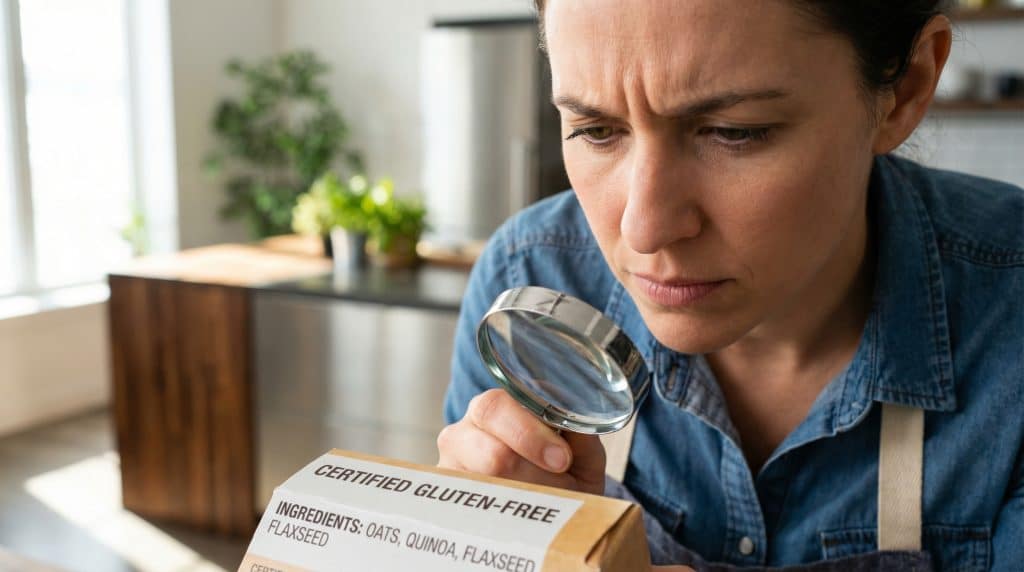
You can be the most dedicated label reader on planet Earth and still get blindsided by gluten. Ask me how I know. (Actually don’t. It involves a “gluten free” lunch that was absolutely not gluten free and a very long evening of regret.)
Here’s the annoying truth: hidden gluten isn’t rare. Some research suggests even careful gluten free eaters average about seven days of accidental exposure every 12 weeks. And it’s not because you’re “bad” at this it’s because gluten likes to dress up in disguises and sneak into places it has no business being.
So let’s make this easier. Not “read every label like you’re studying for the bar exam” easier, but a quick system you can use even when you’re hungry and cranky.
First: what “gluten free” actually means (and what it doesn’t)
“Gluten free” isn’t just a vibe. In the U.S., it’s a legal standard.
- FDA rule: If something is labeled “gluten free,” it should be under 20 parts per million (ppm) of gluten.
- That amount is tiny think a few breadcrumbs in a swimming pool.
But here’s where people get tripped up: the FDA doesn’t require a company to test every product to use the claim. Many brands do test (bless them), but the words on the front are still how do I put this delicately a promise, not a lab report.
The glow up: third party certification
If you see a certification seal, someone outside the company is actually checking things.
- GFCO: stricter, aims for 10 ppm, audits facilities, tests ingredients, etc.
- NSF: typically 20 ppm, also includes audits/testing requirements.
When I’m buying something that’s historically sketchy (hello, granola bars), a certification seal is basically my love language.
One more twist: not everything is covered the same way
FDA gluten free labeling rules don’t apply neatly to restaurant food, and certain categories like meat/poultry labeling (USDA) and alcohol above 7% can get… murky. Translation: those are the areas where you want to be a little extra.
Bottom line: “Gluten free” is a great start. Verification is the upgrade.
The “should be safe” foods (and the ones that love to betray you)
Let’s calm your nervous system for a second. Plenty of foods are naturally gluten free and don’t need a detective novel written about them.
Usually safe, no drama
- Fresh fruits and veggies
- Plain meat, poultry, fish (unseasoned, unbreaded)
- Eggs
- Milk, butter, plain yogurt, most natural cheeses
- Dry beans/lentils (plain)
- Nuts/seeds (not flavored/coated)
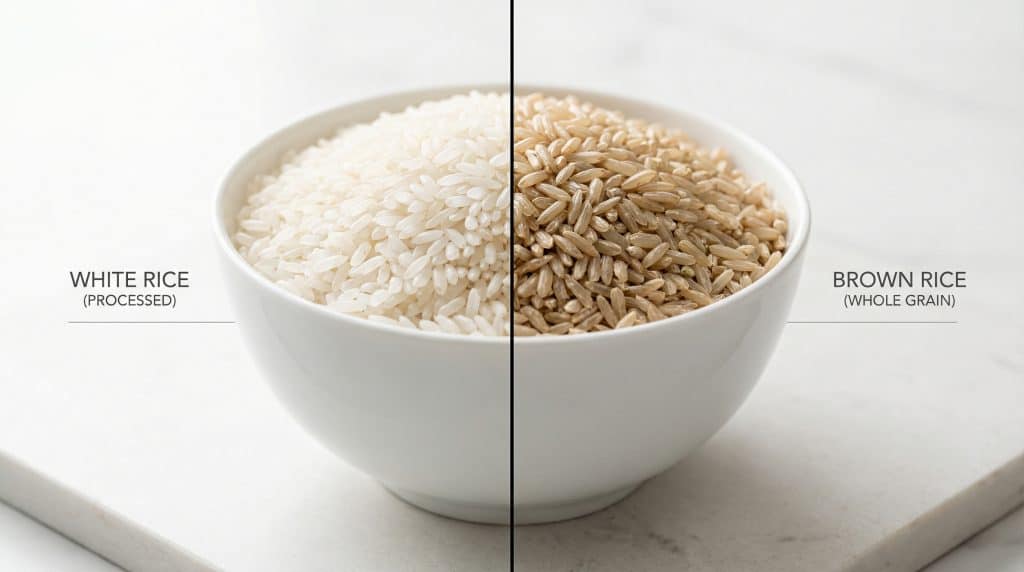
And yes: rice, quinoa, buckwheat, corn, millet and corn masa comfort foods are naturally gluten free. The grain isn’t the issue the processing can be. (It’s like dropping clean laundry on the garage floor. Is it still clothing? Sure. Do we trust it? Absolutely not.)
Foods that deserve your side eye
These are the categories where I slow down and actually read:
- Deli meat / sausages / hot dogs: fillers and binders can include wheat. Even “100% beef” can be processed with wheat-y helpers. Because life is chaos.
- Oats: oats don’t contain gluten… but they’re famous for being contaminated during growing and processing. You want oats specifically labeled gluten free. “Organic” is lovely. It does not fix this.
- Flavored dairy + alt milks: oat milk, crunchy mix ins, thickening agents surprises happen.
And please tattoo this on your brain (gently): “wheat free” does not mean gluten free. A product can skip wheat and still contain barley or rye (or barley malt, which is a repeat offender).
The one label trap that gets even experienced people
You know that bold “Contains:” allergen line at the bottom? Helpful… but incomplete.
In the U.S., companies must call out wheat (because it’s a top allergen). They do not have to call out barley and rye the same way.
So yes, read the “Contains: Wheat” line but always scan the ingredient list for:
- barley
- rye
- malt / malt flavoring / malt extract
- brewer’s yeast
- triticale
- oats (if they’re not labeled gluten free)
Front labels flirt. Ingredients tell the truth.
My 60 second label routine (steal this)
This is what I do in a store when I don’t have time to stand there squinting like I’m decoding ancient scrolls.
Step 1 (10 seconds): Look for the real gluten free wording
You want phrases like:
“Gluten Free,” “No Gluten,” “Free of Gluten,” “Without Gluten.”
Step 2 (10 seconds): Look for a certification seal
If it’s a standard packaged food and it’s certified, I’m usually done. (Not always, but usually.)
Step 3 (30 seconds): Ingredient scan for the usual suspects
Scan for wheat (and its buddies like durum, semolina, spelt, farro, bulgur, couscous, kamut), plus barley/rye/malt, and oats without GF labeling.
Also keep an eye on the foods that love sneaking wheat in:
- soy sauce (often contains wheat tamari might be GF, but check)
- seasoning blends and spice packets (anti-caking agents can be wheat)
- bouillon cubes and soup bases
- anything described as “crispy,” “crusted,” “breaded,” or “battered” (even if the ingredients look fine, fryers and flour dust are a whole thing)
Step 4 (10 seconds): Facility statements = context, not gospel
- “Contains wheat” = wheat is in it. Hard no (unless it’s a special case see below).
- “May contain wheat / made in a facility…” = voluntary cross contact language. This is where your personal sensitivity and comfort level come in.
The weird exception: wheat starch
Some products use wheat starch that’s been processed to remove gluten and still meet the FDA gluten free standard. If it’s safe, the label should clearly say the wheat was processed to meet gluten free requirements. If it’s vague, I skip it. I’m not here for mystery starch.
Cross contact: the glitter of the food world
A product can have perfectly safe ingredients and still be contaminated if it’s made on shared lines. Gluten is basically craft herpes. (I’m sorry. But also… accurate.)
Here’s how I personally rank risk:
- Dedicated gluten free facility (especially with certification): lowest stress
- Shared facility but certified gluten free: often fine certifiers account for cross contact controls
- Shared equipment with no gluten free claim: proceed only if you can get solid answers from the brand, otherwise… nope
And can we talk about bulk bins? They’re like a petting zoo for cross contact. Shared scoops, flour dust, chaos. Studies have found contamination rates that are wildly high. I don’t do bulk bins for gluten free staples. I buy certified store bought staples and move on with my life.
Eating out gluten free: you’re not “high maintenance,” you’re just… trying to function
Menu “GF” symbols aren’t regulated. They can mean:
- “This is made without bread”
- “We once heard of gluten”
- “Good luck out there”
So yes, you may need to do a mini interview. My go to questions (you don’t need all of them every time, but these are the biggies):
- Do you have a dedicated fryer for fries, or is it shared with breaded stuff?
- Is gluten free pasta cooked in separate water?
- Can the kitchen use clean pans/utensils and a cleaned surface?
- Do you have a separate prep area or procedures for gluten free orders?
Also: when I say “I have celiac disease and need strict cross contamination precautions”, I tend to get a more careful response than “Can I get it gluten free?” It’s not dramatic. It’s specific.
If the staff can explain their process (instead of only saying “we can accommodate”), that’s usually a good sign.
When the label is vague: ask the brand (script included because I’m nice)
If something has no clear gluten free claim, has sketchy ingredients like “natural flavors,” or it’s in a high risk category, I’ll email or call.
Here’s my copy paste script:
“Hi! I follow a strict gluten free diet due to celiac disease. Can you confirm whether this product meets the FDA gluten free standard (under 20 ppm) and how you verify that? Is it made on shared equipment with wheat, barley, or rye?”
If they answer clearly, great. If they dodge the question with marketing fluff, I take that as my answer and choose something else.
The tricky chapters: alcohol, meds, and travel
Alcohol
Distilled spirits (vodka, gin, whiskey, tequila, rum, etc.) are generally considered gluten free because distillation removes gluten proteins even if the base grain was wheat or barley.
What I watch like a hawk:
- Beer (brewed, not distilled): look for beer labeled gluten free (often made from sorghum/rice)
- Flavored spirits / ready to drink cocktails: flavorings added after distillation can reintroduce gluten-y ingredients
Medications and supplements
This is the worst chapter. Medication labels don’t have consistent gluten disclosure, and sometimes wheat starch shows up as a binder/filler.
If you’re unsure:
- ask your pharmacist
- contact the manufacturer
- look for supplements that are certified gluten free
(Yes, it’s annoying. No, you’re not being extra.)
Travel
Travel is basically controlled chaos, so I plan for a few guaranteed wins:
- research restaurants ahead (celiac focused apps help)
- book a place with a kitchen when possible
- pack certified snacks for airports
- bring a translation card if you’re traveling internationally
If you get glutened anyway (because you’re human)
Symptoms can hit quickly (within an hour for some people) or show up later (even up to 48 hours). If it happens:
- hydrate and consider electrolytes
- eat bland foods when you can
- expect fatigue (your body is doing the most)
Get medical care if you can’t keep liquids down, have severe abdominal pain, see blood in your stool, or symptoms drag on for about a week.
And please hear me: accidental exposure isn’t a moral failure. It’s data. You adjust, you learn, you move on.
Stuff worth bookmarking (so you’re not panic Googling near the crackers)
- FDA gluten free labeling rule (20 ppm)
- GFCO certification
- NSF gluten free certification
- USDA labeling guidance for meat/poultry
Now go flip a label like you mean it. Hidden gluten has had enough victories.