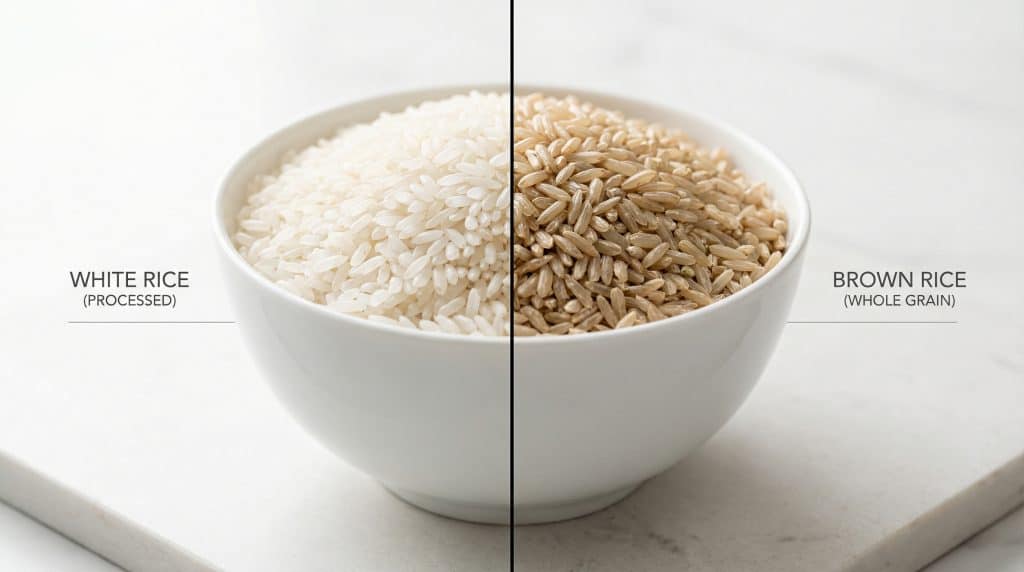


Every morning, millions of people reach for a slice of bread without asking a simple question: Does bread have fiber? Most assume their daily toast is helping their health goals, but the truth might surprise them.
Not all bread is created equal, and some varieties pack more fiber than others. The difference between white bread and high fiber bread can be dramatic.
Some loaves barely contain any fiber at all, while others are loaded with it. Understanding which bread to choose can change breakfast from ordinary to nutritious. The answer hiding in those fluffy slices might just change the way shoppers view their grocery cart forever.
Does Bread Have Fiber?
Yes, bread does contain fiber, but the amount varies dramatically depending on the type. The secret lies in how the grain is processed.
Whole grain varieties keep all parts of the wheat kernel intact, including the fiber-rich bran and germ. White bread, on the other hand, strips away these nutritious layers during refinement, leaving behind mostly starch.
This is why some loaves feel light and fluffy while others have a denser, heartier texture. High fiber bread takes things further by adding extra whole grains, seeds, or bran.
What Is High Fiber Bread?
High fiber bread is any loaf containing at least 3 grams of fiber per slice (a practical threshold many dietitians use for a beneficial choice). However, some varieties pack even more, and official FDA “high fiber” claims require 5g+ per serving.
These breads typically use whole grains, added bran, seeds like flax or chia, and sometimes legume flours to boost fiber content.
The denser texture and heartier bite set them apart from regular white bread. Manufacturers often fortify these loaves with extra wheat bran or oat fiber to reach higher fiber levels.
For anyone wondering if bread has fiber that actually makes a nutritional difference, this category delivers. These options help people reach the recommended 25-38 grams of daily fiber without major dietary changes, making them a practical choice for health-focused eaters.
Health Benefits of High Fiber Bread
Choosing high fiber bread over regular varieties offers numerous health advantages that extend far beyond basic nutrition. The extra fiber works throughout the body to support various systems and functions.
- Improves Digestive Health: Fiber adds bulk to stool and promotes regular bowel movements, reducing constipation and supporting a healthy gut microbiome.
- Supports Weight Management: High fiber bread keeps people feeling fuller for longer periods, reducing overall calorie intake and preventing unnecessary snacking between meals.
- Regulates Blood Sugar Levels: The fiber slows down sugar absorption, preventing sudden spikes and crashes that leave people feeling tired and hungry shortly after eating.
- Lowers Cholesterol: Soluble fiber binds with cholesterol in the digestive system, helping remove it from the body and supporting heart health over time.
- Reduces Disease Risk: Regular fiber consumption lowers the risk of developing type 2 diabetes, heart disease, and certain types of cancer through multiple protective mechanisms.
Fiber Content in Different Types of Bread
Not all bread is created equal when it comes to fiber content. The type of flour, added grains, and processing method all play a role in determining how much fiber ends up in each slice.
Fiber content can vary significantly by brand, specific recipe, slice thickness, and manufacturing processes. The values provided are approximate averages based on common nutritional data and should not replace checking product labels or consulting a registered dietitian for personalized advice. Always verify with the most current nutrition facts for accurate information.
1. White Bread
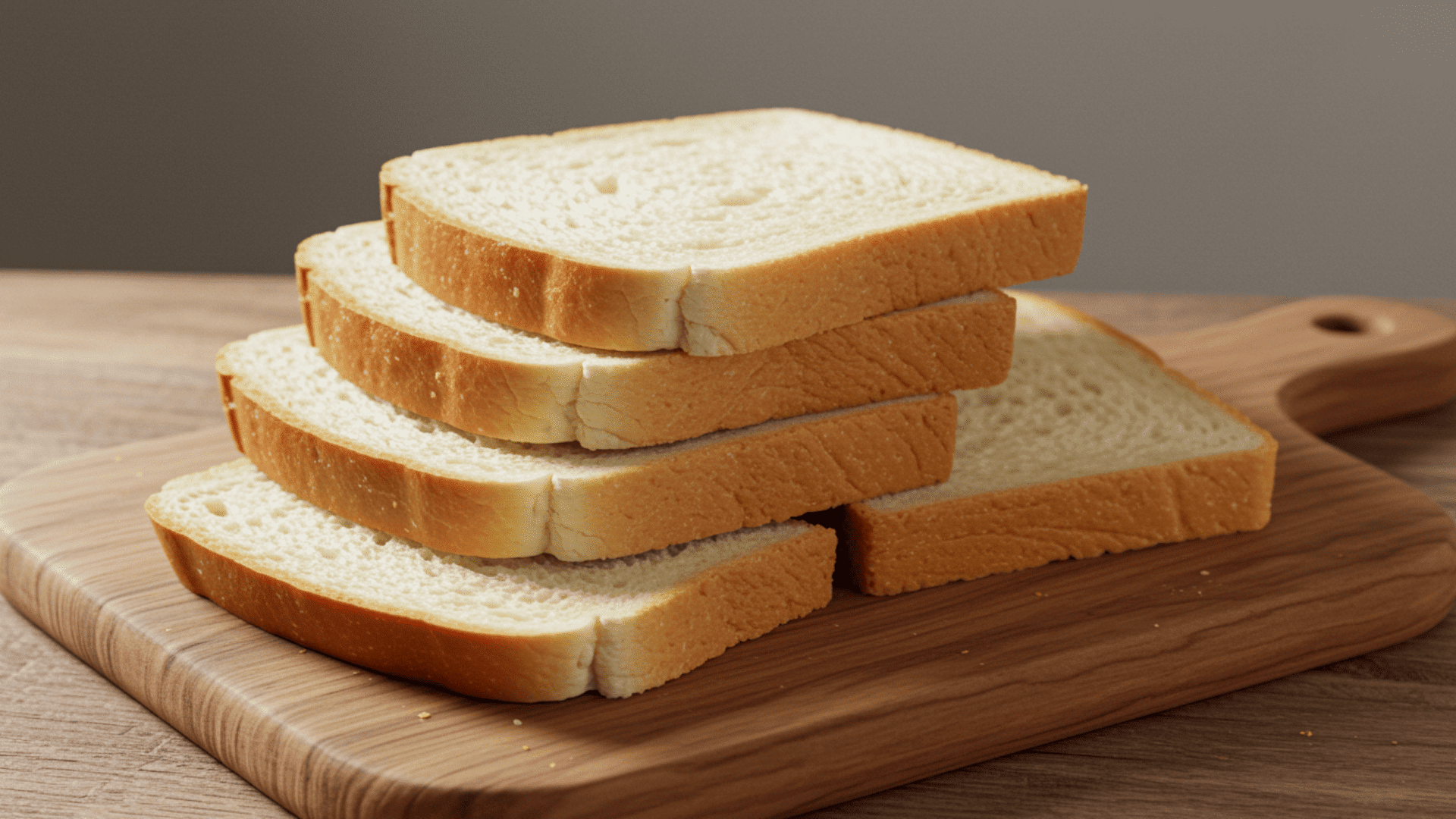
White bread is made from refined wheat flour with the bran and germ removed, then baked at standard temperatures. This processing strips away most of the natural fiber, leaving behind a soft, fluffy texture that many people love.
- Fiber per slice: 0.5-1 gram
- Fiber density level: Low
- Ideal for: Those prioritizing taste over nutrition
2. Whole Wheat Bread
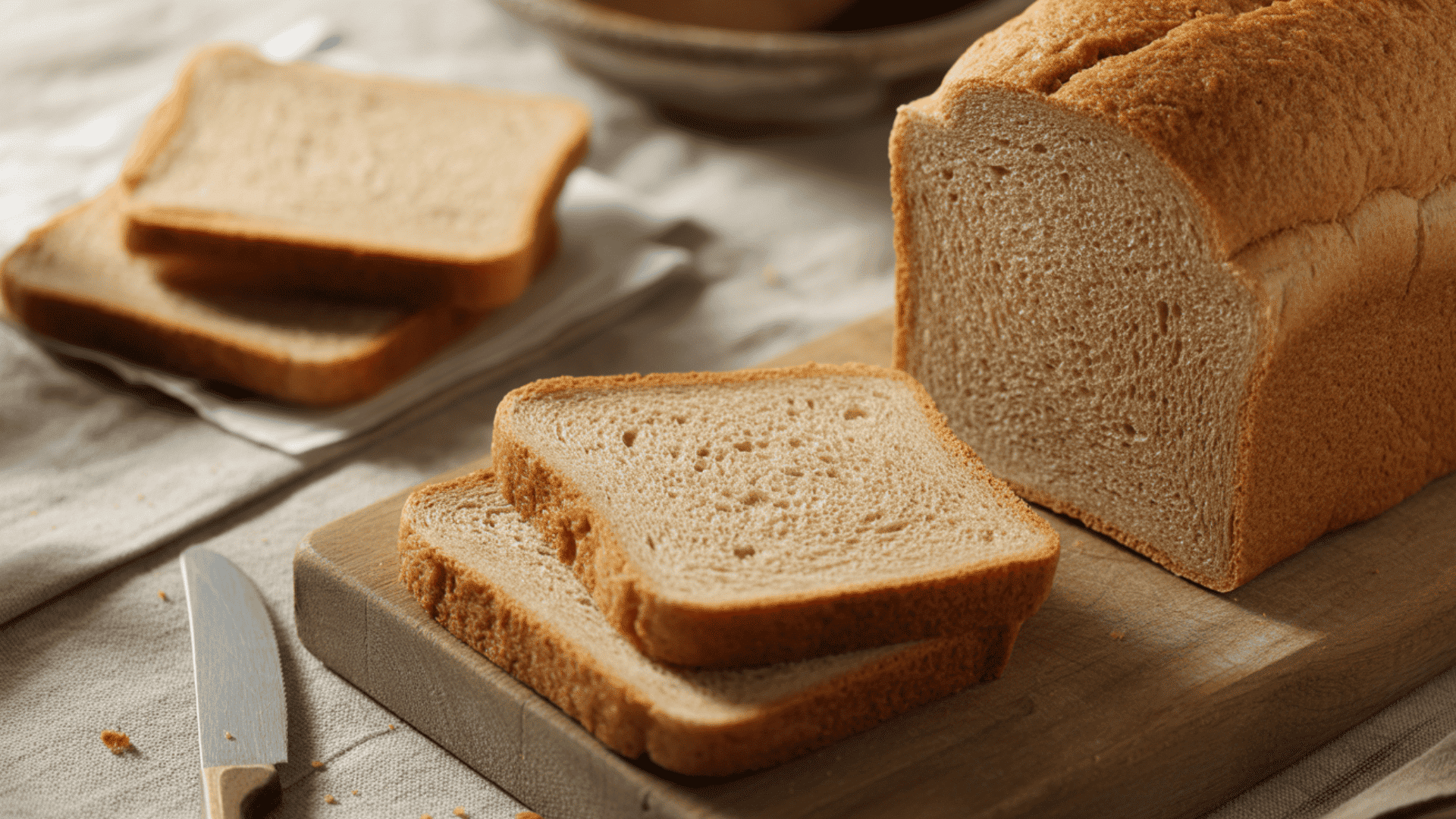
Whole wheat bread uses flour ground from the entire wheat kernel, keeping the fiber-rich bran intact, and is baked using traditional methods. This preservation of all grain components makes it a popular choice for anyone looking for bread that has fiber with real nutritional value.
- Fiber per slice: 2-3 grams
- Fiber density level: Moderate
- Ideal for: Daily fiber intake and balanced diets
3. Whole Grain Bread
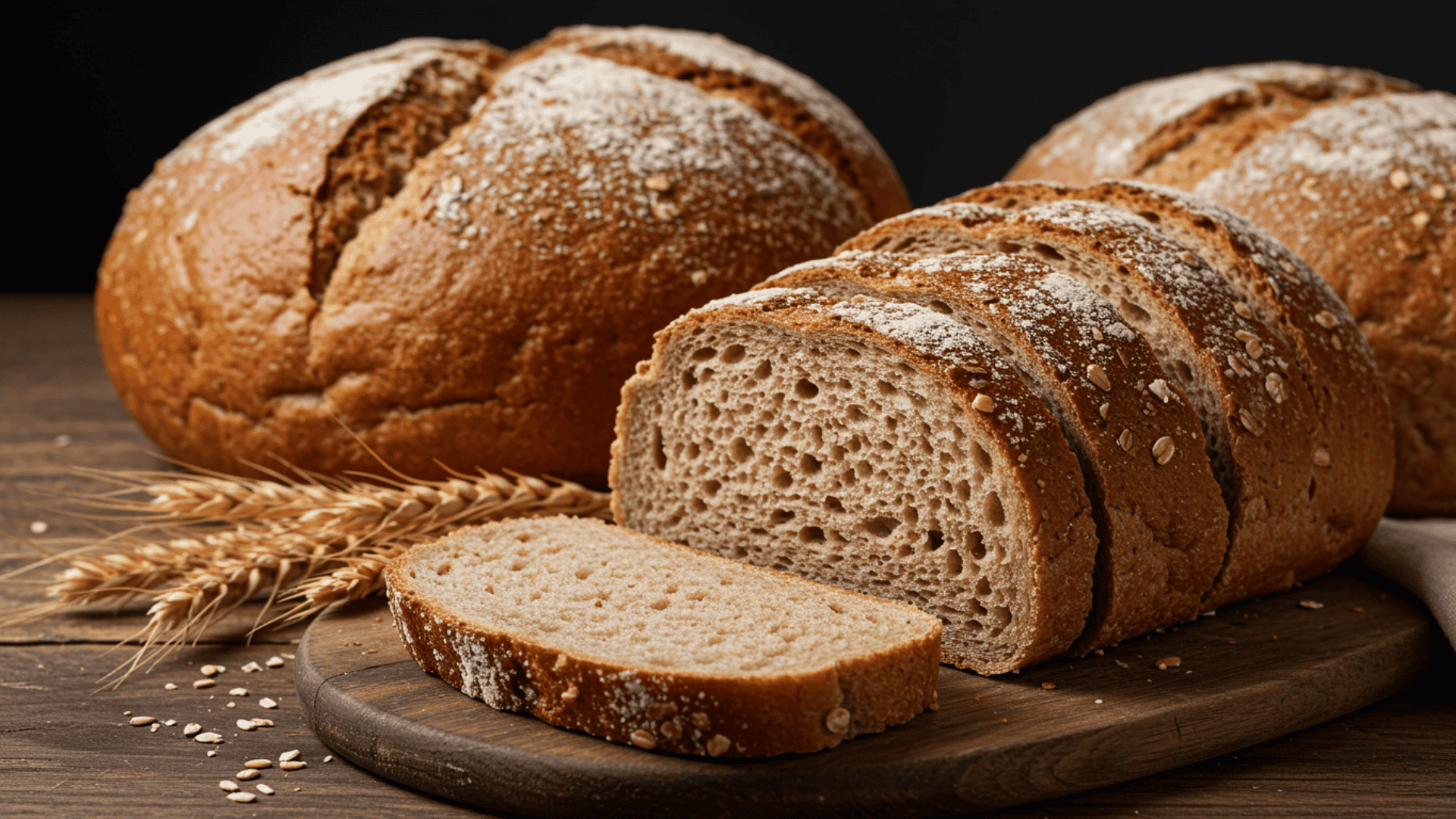
Whole-grain bread is bread made using flour that contains the entire grain kernel. For a food to be labeled as “whole grain,” the grain must be processed in a way that the final product contains the same balance of nutrients found in the original seed.
- Fiber per slice: 3-5+ grams
- Fiber density level: High
- Ideal for: Heart health and sustained energy
4. Multigrain Bread
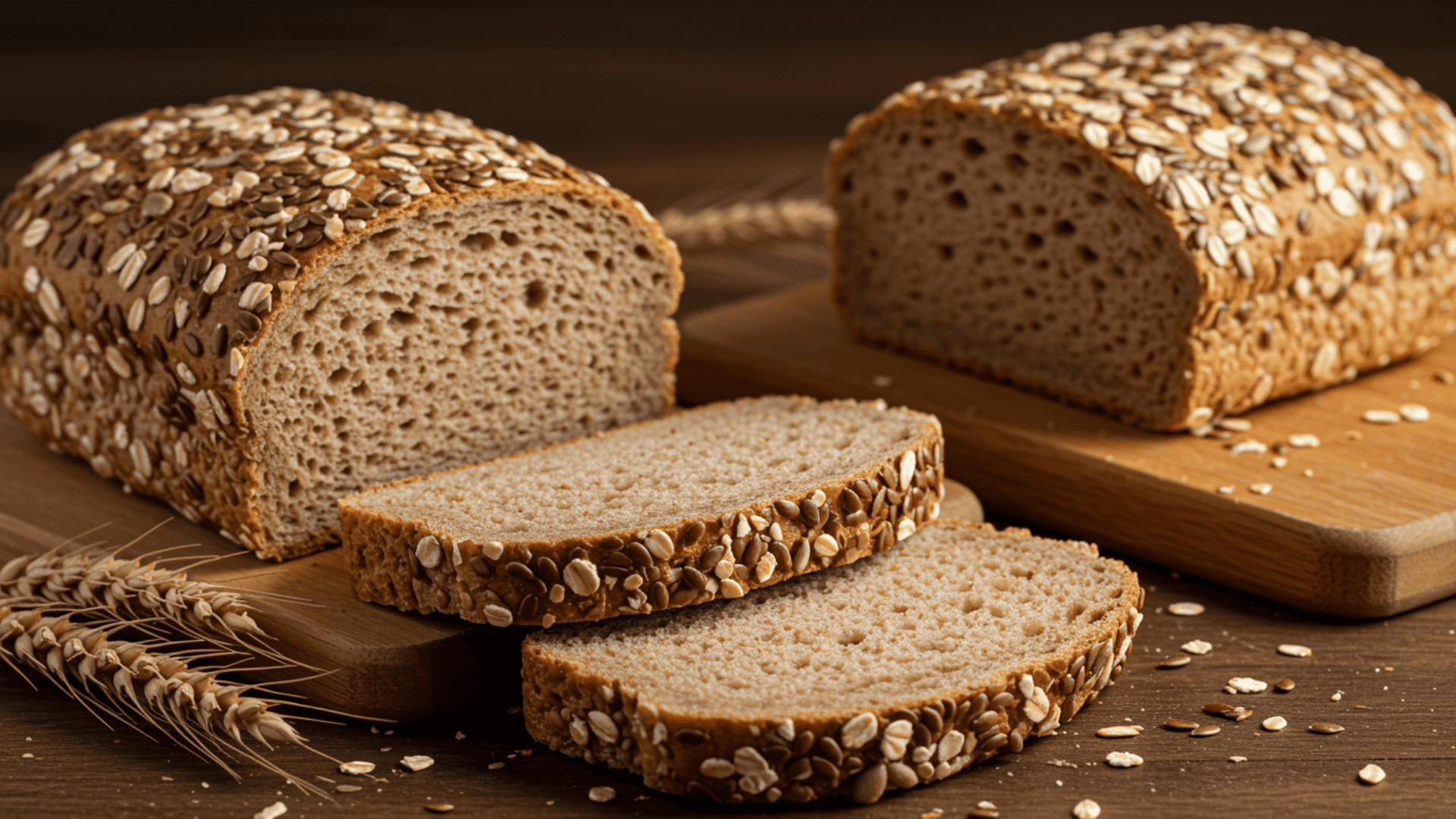
Multigrain bread combines various grains like oats, barley, and flax seeds with wheat flour, then bakes them into a hearty loaf. The blend of different grains creates varied textures and flavors while boosting the overall fiber content significantly compared to single-grain options.
- Fiber per slice: 2-5 grams
- Fiber density level: Moderate to High
- Ideal for: Variety seekers and texture lovers
5. Rye Bread
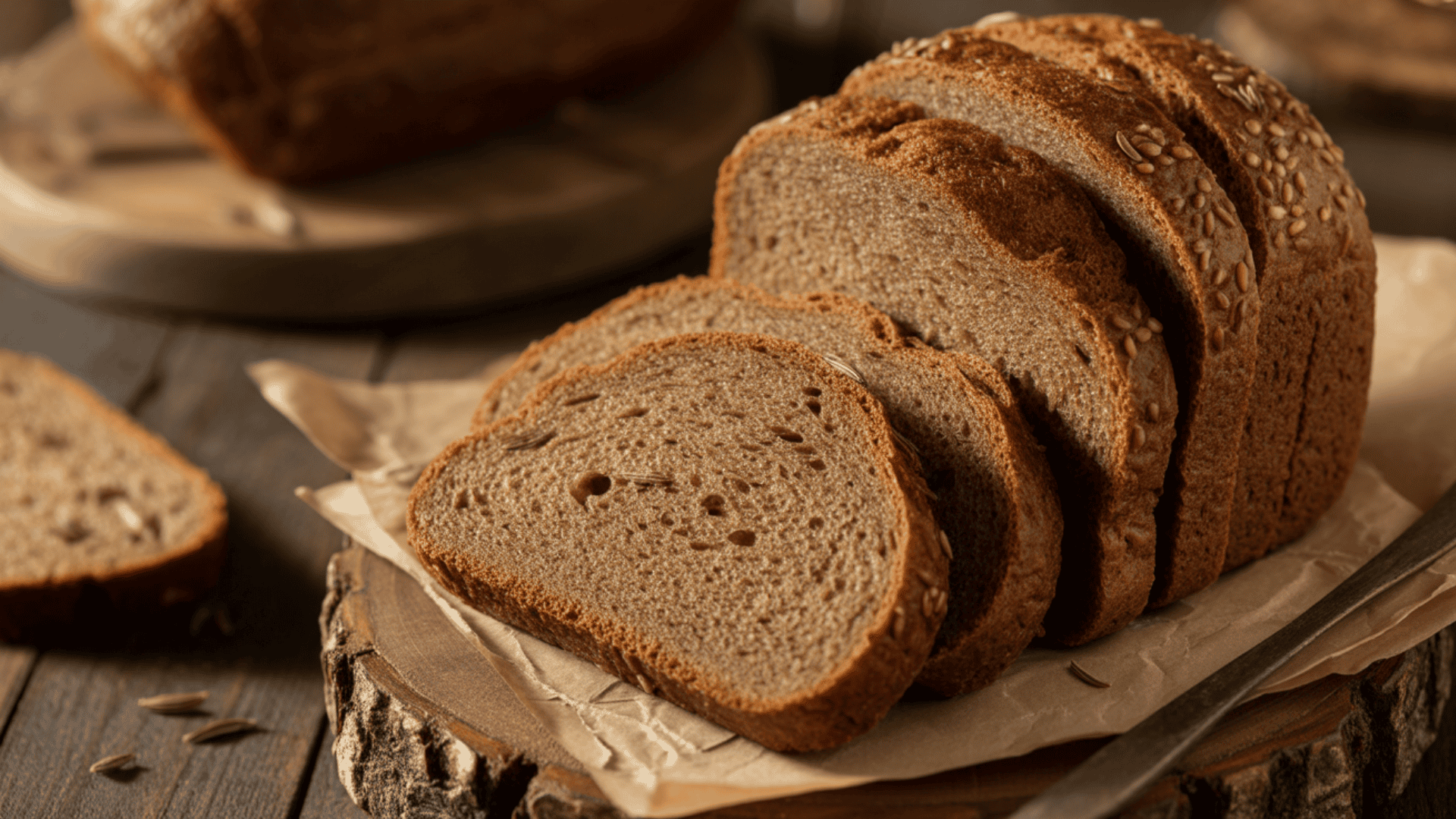
Rye bread is crafted from rye flour, which naturally contains more fiber than refined wheat, and often includes caraway seeds for flavor. The dense, dark loaves common in European cuisines pack a nutritional punch while delivering a distinctive tangy taste that sets them apart.
- Fiber per slice: 2-3 grams (can go up to 4 grams for denser varieties)
- Fiber density level: Moderate
- Ideal for: Digestive health and hearty sandwiches
6. Sourdough Bread
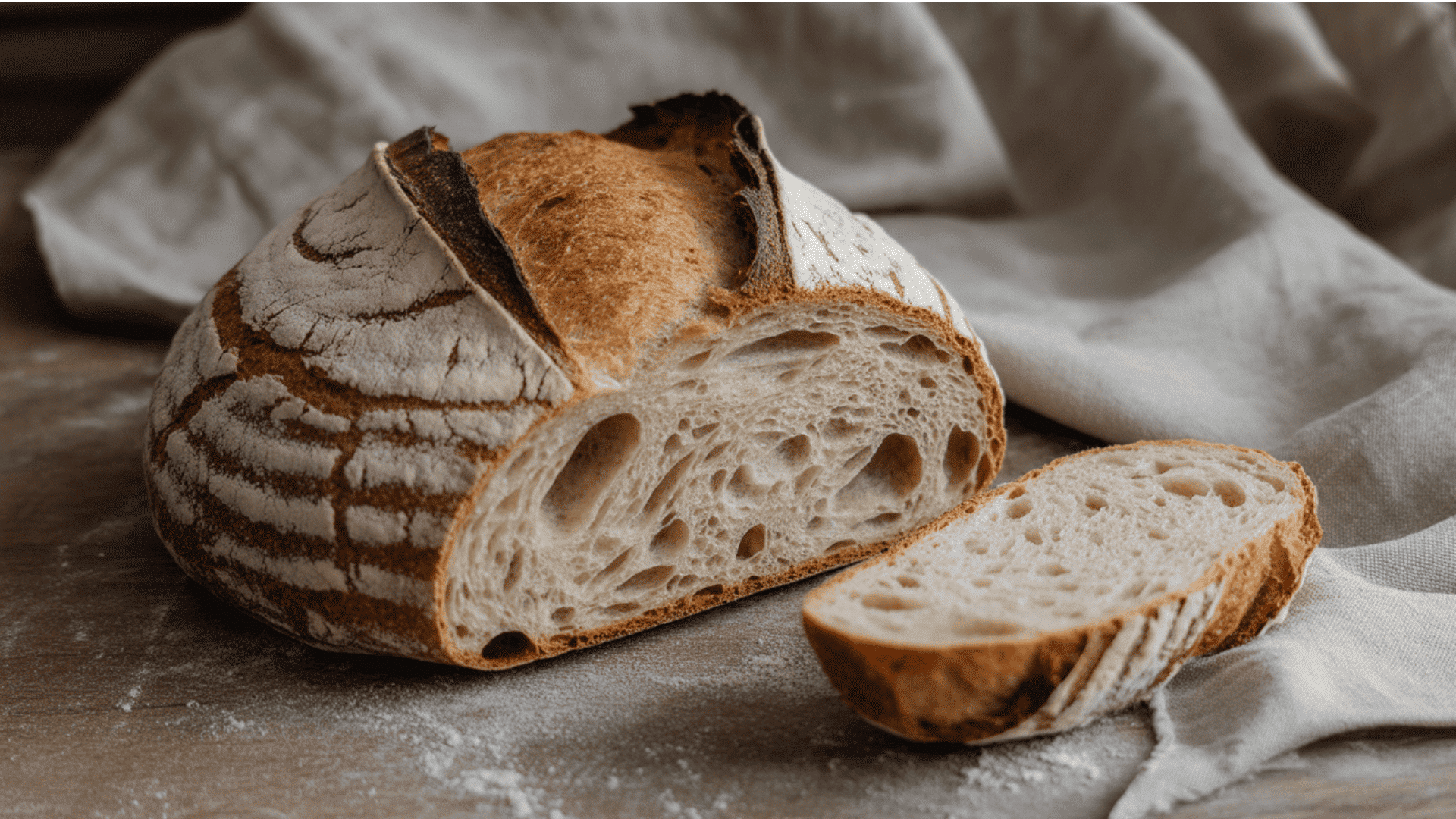
Sourdough bread uses a fermented starter culture of wild yeast and bacteria instead of commercial yeast, creating its signature tangy flavor. The long fermentation process makes the fiber and nutrients more digestible while developing complex flavors that high fiber bread enthusiasts appreciate for both taste and health.
- Fiber per slice: 1-3 grams
- Fiber density level: Moderate
- Ideal for: Gut health and improved digestion
7. Sprouted Grain Bread
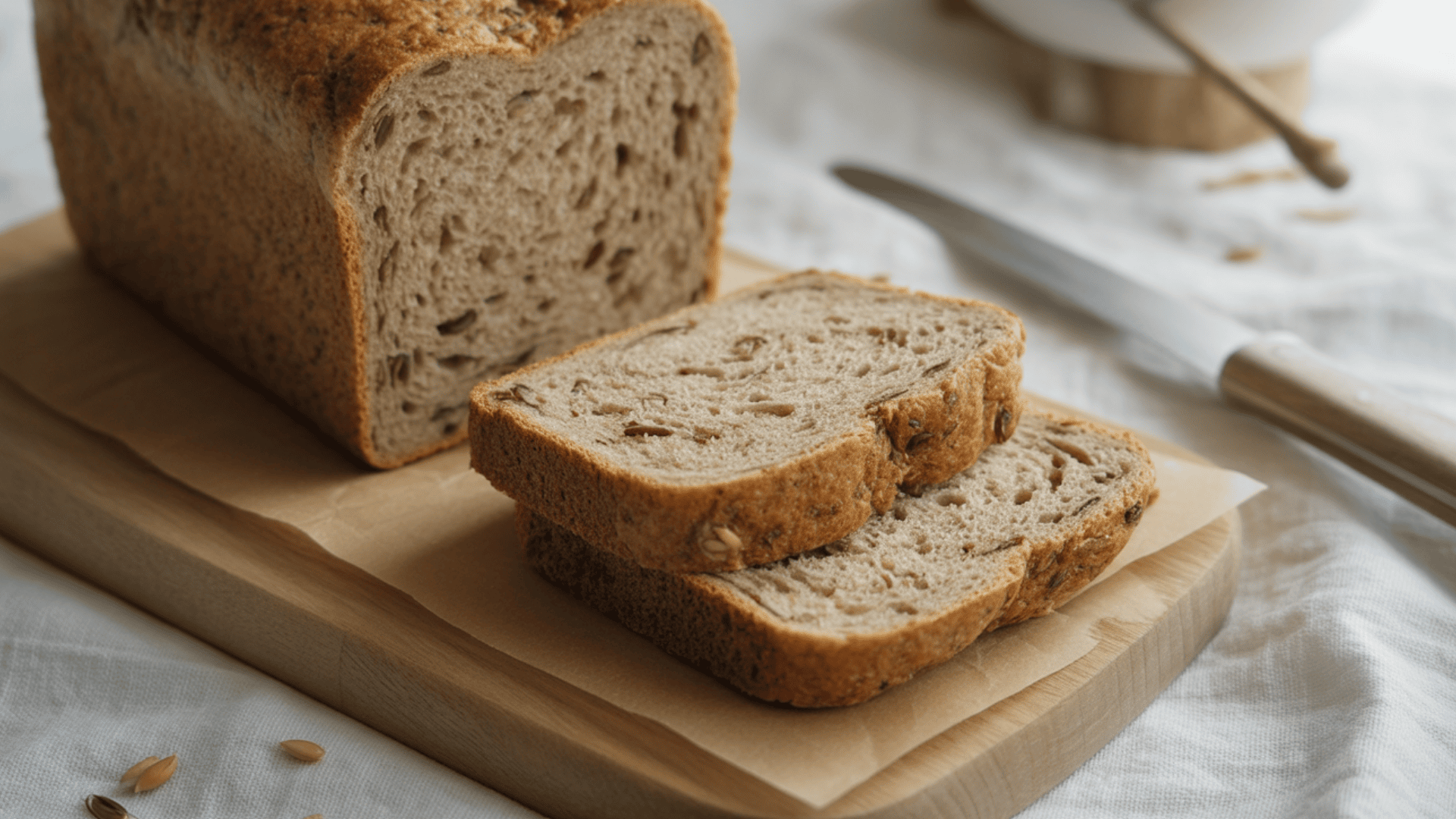
Sprouted grain bread uses grains that have begun to germinate before being ground and baked at lower temperatures. This process increases nutrient availability and fiber content, making it one of the best high-fiber bread options available on grocery shelves today.
- Fiber per slice: 3-5 grams
- Fiber density level: High
- Ideal for: Maximum nutrition and health-conscious eaters
8. Pumpernickel Bread
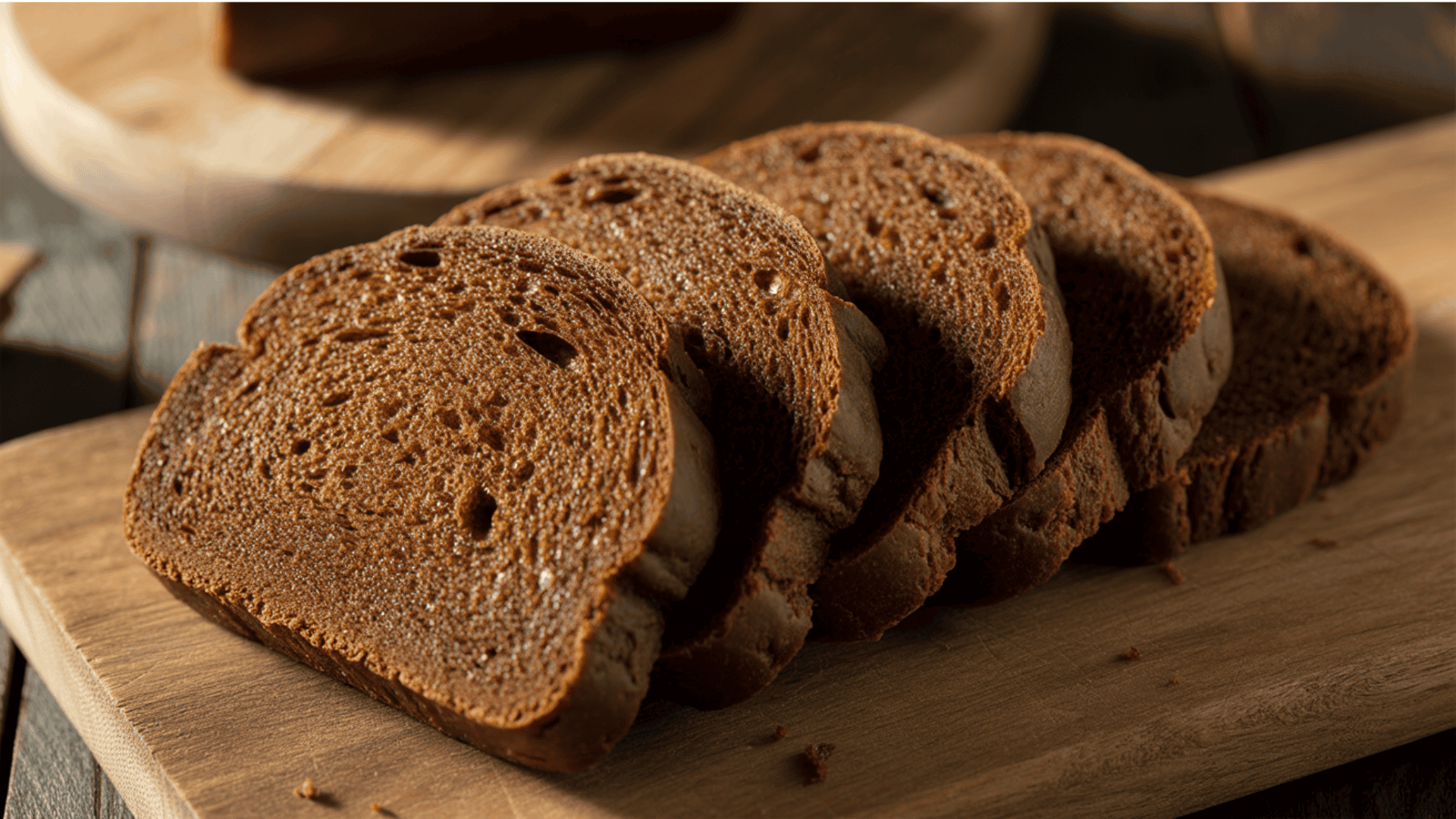
Pumpernickel bread is made from coarsely ground whole rye grains and baked slowly at low temperatures for extended periods. This traditional German method creates a dark, dense loaf with a slightly sweet flavor and impressive fiber content that supports digestive wellness.
- Fiber per slice: 2-4 grams
- Fiber density level: Moderate to High
- Ideal for: Traditional recipes and robust flavors
The variety in bread types shows that fiber content depends heavily on ingredients and preparation methods. Whether someone chooses white bread for comfort or high fiber bread for health, knowing these differences empowers better dietary decisions.
How to Choose High Fiber Bread
Shopping for high fiber bread can feel overwhelming with so many options lining grocery shelves. Knowing what to look for helps shoppers identify truly nutritious loaves versus marketing gimmicks.
- Whole grain or whole wheat should appear as the first ingredient on the label, indicating the bread retains its natural fiber content.
- Look for breads containing at least 3 grams of fiber per slice, which qualify them as genuine high fiber bread options.
- The official Whole Grain Stamp guarantees the product meets specific quality standards set by nutrition experts.
- Dense, hearty loaves with visible grains and seeds typically contain significantly more fiber than soft, fluffy white varieties.
- Avoid breads with high added sugar content listed in the first few ingredients, as this undermines the health benefits.
Tips for Increasing Fiber Intake with Bread
Getting more fiber from bread doesn’t require a complete diet overhaul. Small, strategic changes in bread choices and eating habits can significantly boost daily fiber intake.
- Switch Gradually: Transition slowly from white to high fiber bread to allow the digestive system to adjust and prevent discomfort or bloating issues.
- Add Nutritious Toppings: Pair bread with fiber-rich spreads like hummus, avocado, or almond butter to amplify the overall fiber content of meals and snacks.
- Choose Seeded Varieties: Look for loaves containing flax seeds, chia seeds, or sunflower seeds, which add extra fiber along with healthy fats and protein.
- Make Open-Faced Sandwiches: Using one slice instead of two and piling on vegetables creates a fiber-packed meal while reducing overall calorie intake naturally.
Final Thoughts
The question “does bread have fiber?” has a clear answer: yes, but the amount depends entirely on the type chosen. From fiber-poor white bread to nutrient-packed whole grain varieties, the options span a wide spectrum.
Understanding these differences turns bread from a simple staple into a strategic tool for better health. The fiber content directly impacts digestion, weight management, blood sugar control, and long-term disease prevention.
Armed with label-reading skills and ingredient knowledge, shoppers can confidently select loaves that align with their wellness goals.
The next trip to the bakery aisle presents an opportunity to make choices that support both taste preferences and nutritional needs. Start checking those labels today and know which bread works best.