

Is Your Pasta Really Dairy Free? (Spoiler: Probably Yes)
If you’ve ever stood in the pasta aisle squinting at a box of spaghetti like it personally wronged you, wondering if there’s secret milk hiding in there somewhere hi, welcome, you’re in good company.
Here’s the thing that took me way too long to learn: over 90% of dried pasta is literally just wheat and water. That’s it. No dairy lurking in the shadows, no milk proteins playing hide and seek. Just boring, beautiful, two ingredient simplicity.
But I get the paranoia. Some pasta does contain dairy in sneaky places, and if you’re dealing with lactose intolerance, a milk allergy, or you’ve just decided cow juice isn’t your thing anymore, “probably fine” isn’t exactly reassuring.
So let’s fix that. I’m going to show you exactly where dairy actually hides, teach you a 30-second label trick, and point you toward brands you can grab without a second thought.
The Three Pasta Danger Zones (Everything Else Is Chill)
Standard dried pasta on the shelf? Almost always safe. The problems show up in three very specific spots:
Filled pastas like ravioli and tortellini. These are the big one. Those little pillows are basically cheese delivery systems. Even the “meat filled” ones usually have ricotta or parmesan sneaking around as a binder. If it’s stuffed, assume dairy until proven innocent.
Boxed mac and cheese and pre-sauced meals. The noodles themselves are fine it’s that cheese packet or creamy sauce doing the dairy dirty work. (I know, I know. But you probably already suspected this one.)
Protein boosted pasta. See a box screaming “20g PROTEIN!” on the front? That’s your cue to flip it over and actually read the label. Some brands add milk derived protein isolates. Regular “enriched” pasta (with vitamins) is totally fine it’s specifically the protein callouts that need a closer look.
That’s basically it. If you’re grabbing plain dried spaghetti, penne, or rotini from the shelf, you’re almost certainly in the clear. The drama lives in filled, sauced, and protein pumped territory.
Quick Detour: Fresh Pasta and the Egg Confusion
Fresh pasta from the refrigerated section is a slightly different beast. About 60-75% of it contains eggs, and some brands also add cream or butter for richness.
Here’s where people get confused: eggs aren’t dairy. I repeat eggs are not dairy. (They’re next to the milk in the store, which is honestly terrible grocery design, but that’s a rant for another day.)
So if you’re avoiding dairy because of lactose intolerance or a milk allergy, egg pasta is totally fine for you even if gluten in egg pasta is a concern. If you’re vegan, that’s a different story. Either way, fresh pasta needs a label check for added cream or butter. Dried pasta from the regular aisle? Way less drama.
The 30-Second Label Check That Actually Works
I used to read ingredient lists like I was studying for a final exam. Turns out there’s a much faster way to check gluten free noodle labels.
Step 1: Check the allergen statement first. It’s that bold line near the bottom that says something like “Contains: Wheat.” If it says “Contains: Milk,” put it back. If milk isn’t listed there, you’re probably good but let’s confirm.
Step 2: Skim the first five ingredients for the obvious stuff: milk, cream, butter, cheese, whey, casein. If dairy is in there, it usually shows up near the top.
Step 3: Don’t panic about “may contain” warnings. “May contain milk” means shared equipment, not an actual ingredient. For lactose intolerance, this is typically fine. For a true milk allergy, you might want to contact the manufacturer or skip it entirely.
Shortcut that never fails: If it says “Certified Vegan” anywhere on the package, you’re done. No dairy, period. “Plant-based” and “natural,” on the other hand, mean absolutely nothing keep reading the label.
Sneaky Dairy Terms That Trip People Up
The obvious ones are easy: milk, cream, butter, cheese. But watch out for these:
- Whey / whey protein isolate common in protein pastas
- Casein / sodium caseinate milk proteins
- Lactose milk sugar
- Milk solids / milk powder hiding in boxed mac and cheese
And a few that sound suspicious but are actually fine: Lactic acid is made through fermentation (not from lactose, despite the name). Xanthan gum, guar gum, and annatto are all dairy free too.
Brands You Can Actually Trust
Okay, let’s get practical. Here’s what to grab based on what you care about:
Just want cheap and simple? Store-brand dried pasta, Barilla (blue box), Colavita, Mueller’s, Creamette. All just durum wheat. One exception: Ronzoni Homestyle has eggs, while Ronzoni Classic doesn’t. Why? No idea. Just check the label.
Want more protein? Banza Chickpea (11g), Barilla Red Lentil (11g), or Tolerant red lentil (14g the highest I’ve found). Fair warning: legume pasta has a slightly earthier taste, and you should cook it 1-2 minutes less than the package says unless you enjoy mush.
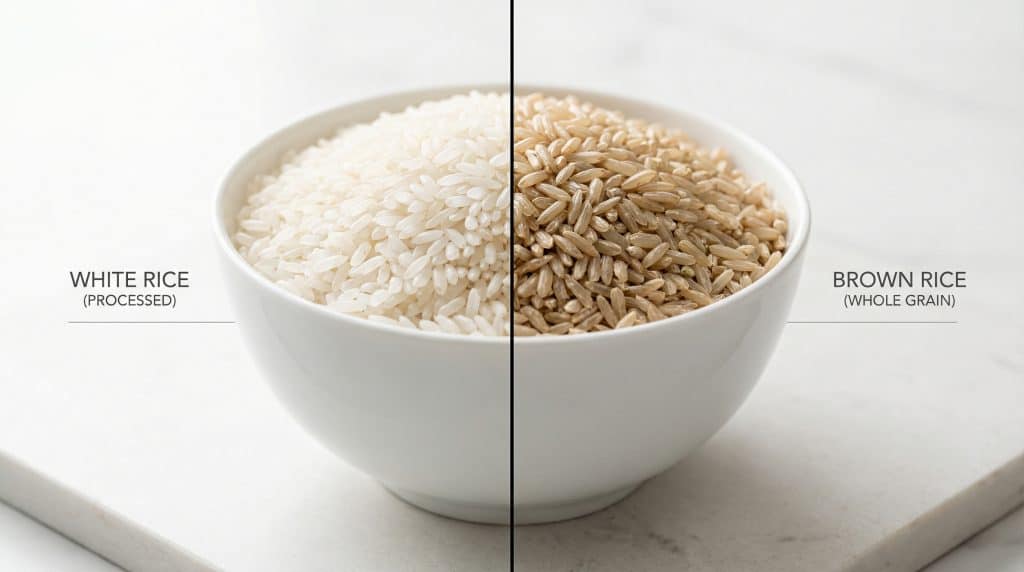
Need gluten free AND dairy free? Jovial Brown Rice is excellent. Tinkyada Brown Rice is certified vegan. Barilla Gluten Free (corn and rice) works too. And if you’re avoiding basically every allergen on earth, Jovial Cassava has literally two ingredients and none of the top allergens.
Feeding picky kids? The Whole Foods 365 corn/rice blend or Banza in mac and cheese format tend to get fewer complaints.
What About Sauce?
Plain marinara is almost always dairy free. Aglio e olio (garlic and oil), puttanesca, arrabbiata all naturally dairy free and delicious.
For creamy sauces without the cow, I like Primal Kitchen’s No Dairy Vodka Sauce or blending soaked cashews with broth and nutritional yeast for a quick alfredo style situation. You can also stir full fat coconut milk into tomato sauce for a creamy rose pasta that honestly slaps.
Pro tip: save your pasta water. That starchy liquid helps sauce cling to noodles the way cream does. Add 2-4 tablespoons while tossing and watch the magic happen.
Eating Out Without the Anxiety
Most Italian restaurants can do oil based or tomato based pasta without dairy if you ask. The key phrases: “Can you prepare this with olive oil only?” and “Please skip the Parmesan.”
What you should probably avoid ordering entirely: alfredo, carbonara, cacio e pepe, lasagna, vodka sauce. Dairy is the whole point of these dishes. Asking for “dairy free carbonara” is like asking for “meat free bacon.” Just pick something else.
Chain restaurants like Olive Garden actually post allergen menus online check for the milk column before you go and save yourself the awkward conversation with an overwhelmed server.
The Bottom Line
Here’s your cheat sheet: standard dried pasta is almost always dairy free. Watch out for filled pastas, pre-sauced kits, and anything bragging about protein on the front. Check the allergen statement first, skim the first five ingredients, and look for that “Certified Vegan” logo if you want zero guesswork.
That’s it. That’s the whole thing.
Grab a box of something simple this week, throw some marinara on it, and stop stressing. You’ve got this.