

When it comes to affordable, tasty protein sources, chicken leg protein often gets overlooked in favor of its leaner cousin, chicken breast. But dark meat deserves more credit than it gets.
Chicken legs pack impressive protein along with extra nutrients like iron and zinc that support your overall health.
They’re juicier, more flavorful, and easier on your wallet, too. Understanding how much protein chicken legs contain and how they compare to other cuts helps you make smarter choices for your fitness goals and budget.
Ready to learn why chicken leg protein might be the missing piece in your meal plan?
Why Chicken Is a Top Protein Choice?
Chicken stands out as a complete protein source, meaning it contains all nine essential amino acids your body needs but cannot produce on its own.
This makes it ideal for building and repairing muscle tissue, supporting weight loss goals, and maintaining overall health. Protein keeps you feeling full longer and helps preserve lean muscle mass during calorie restriction.
While chicken breast often gets the spotlight for its higher protein content and lower fat, dark meat like chicken legs still provides impressive protein, along with additional nutrients like iron and zinc.
Both cuts provide quality, affordable nutrition, making chicken a practical daily protein source.
Chicken Leg Protein & Nutrition Facts
Chicken legs are a popular dark-meat option that still delivers a solid amount of protein. If you’re curious about the exact nutrition, here’s what a skinless, cooked chicken leg provides per 100 grams.
| NUTRIENT | AMOUNT |
|---|---|
| Protein | 24.3 g |
| Calories | 155 kcal |
| Total Fat | 5.7 g |
| Iron | 1.1 mg |
| Zinc | 2.6 mg |
| Carbohydrates | 0 g |
Chicken legs offer a good balance of protein and calories while also providing iron and zinc. Since they contain zero carbs, they fit nicely into low-carb and keto diets while still being flavorful and filling.
Protein in Chicken Breast
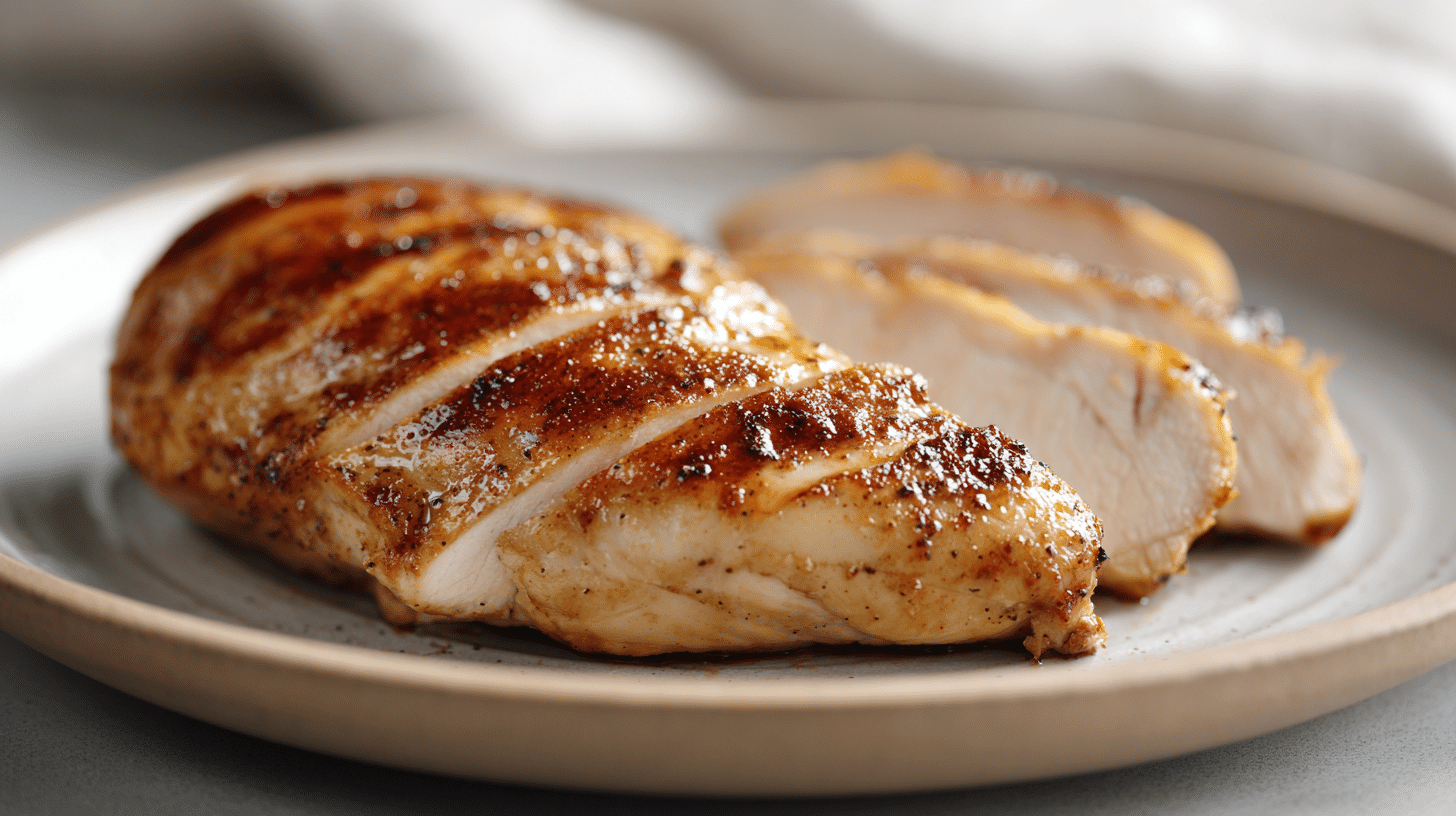
Chicken breast delivers the highest protein content of any chicken cut, packing about 31 to 32 grams of protein per 100 grams of cooked, skinless meat.
This impressive ratio comes with lower calories and minimal fat, making it a top choice for weight loss and building lean muscle. A typical 3-ounce serving contains roughly 26 grams of protein, 165 calories, and just 3.6 grams of fat.
The mild flavor and firm texture make chicken breast perfect for grilling, baking, or stir-frying. Its quick cooking time and ability to absorb marinades well make it a kitchen staple for meal prep and healthy eating plans.
Chicken Leg vs Breast vs Drumstick: Which Has More Protein?
Different chicken cuts vary in protein, calories, and fat, which can affect your nutrition goals. This comparison shows how chicken breast, thigh, and drumstick stack up per 100 grams (skinless, cooked).
| CHICKEN CUT | PROTEIN | CALORIES | FAT |
|---|---|---|---|
| Chicken Breast | 31 g | 165 kcal | 3.6 g |
| Chicken Thigh | 24-25 g | 179 kcal | 8.2 g |
| Chicken Drumstick | 24 g | 155-172 kcal | 5.7 g |
Chicken breast has more protein per gram because it’s leaner and lower in fat. Chicken legs and thighs, though lower in protein, provide more fat-soluble nutrients and richer flavor, making them good for balanced meals.
Not Just Protein – Other Nutrients in Chicken Legs
Chicken legs aren’t only about protein – they also provide several essential vitamins and minerals that support overall health. This makes them a well-rounded option, not just a protein source.
Key Nutrients in Chicken Legs:
- Iron: Helps carry oxygen in the blood and supports energy levels
- Zinc: Supports immune function and wound healing
- B Vitamins (B6, B12, Niacin): Important for energy production, brain function, and mood
- Selenium: Acts as an antioxidant and supports thyroid health
- Phosphorus: Essential for strong bones and teeth
When paired with their solid protein content, these nutrients make chicken legs a smart choice for balanced, satisfying meals that support muscle health, immunity, and daily energy needs.
Does Cooking Method Affect Protein Content?

The protein content in chicken stays relatively stable no matter how you cook it, but calories and fat levels can change dramatically based on your cooking method.
Grilling, baking, and roasting are your best options for preserving nutrients while keeping added fats to a minimum. These dry-heat methods lock in protein without extra oil or breading.
Deep-frying, on the other hand, significantly increases calories and fat content through oil absorption and breading, even though the protein amount remains similar.
For maximum nutrition and health benefits, stick with simple preparation methods that don’t require heavy oils or batters. Season with herbs and spices instead of sauces to keep your chicken lean and protein-rich.
How to Choose Chicken Based on Your Goals?
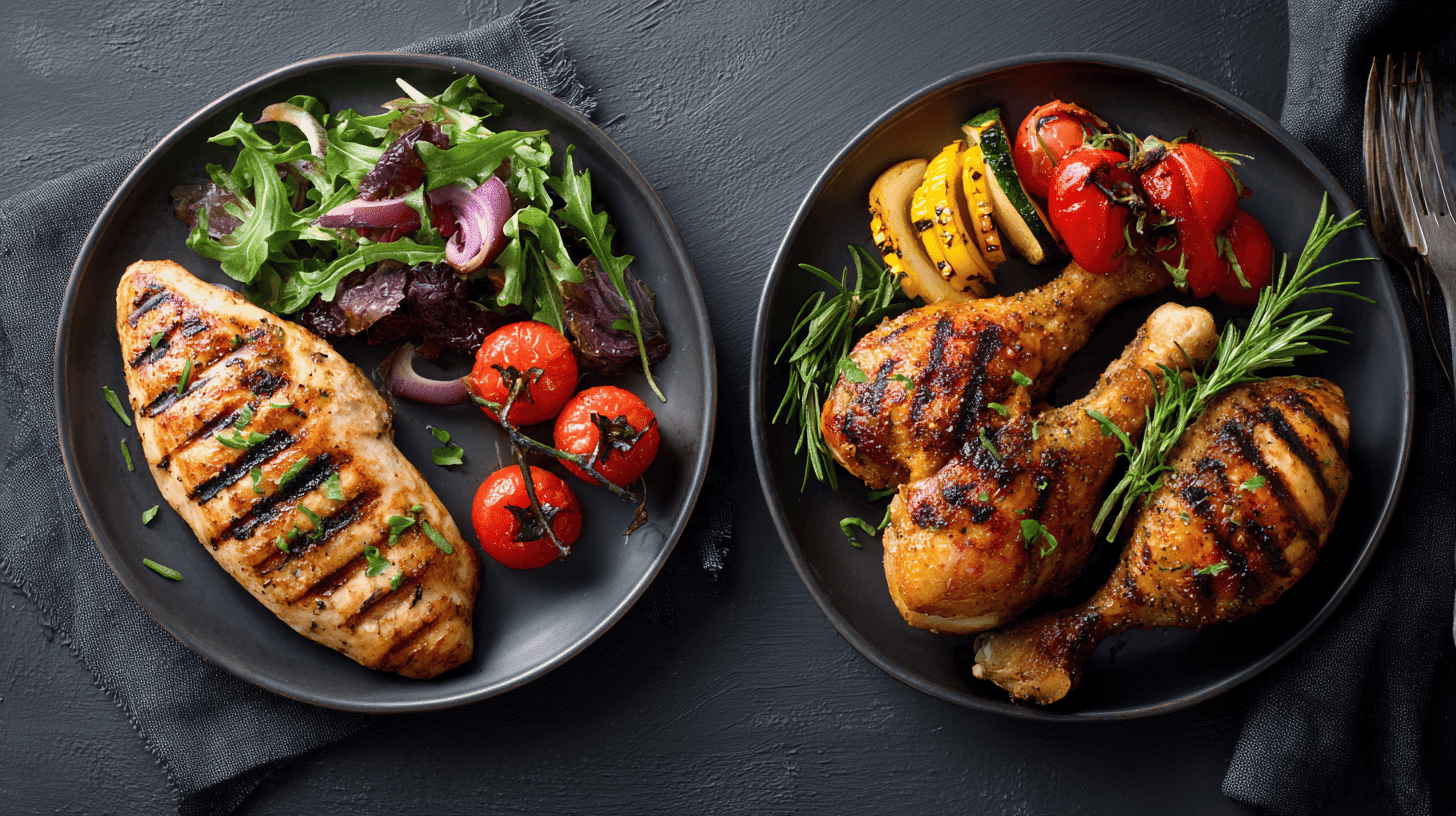
Choosing the proper chicken cut depends on your specific health and fitness goals. For muscle building, chicken breast offers the highest protein density with minimal fat, making it ideal for lean gains.
If you want balanced nutrition with more flavor, chicken legs provide quality protein plus extra nutrients like iron and zinc in juicy, satisfying portions. Budget-conscious shoppers will appreciate that dark meat typically costs less per pound while still delivering solid protein and nutrition.
Consider mixing both cuts throughout the week to get variety in taste, texture, and nutrients. Your goals, taste preferences, and wallet can all guide your choice without sacrificing protein quality.
That’s a Wrap
Chicken leg protein offers a winning combination of nutrition, flavor, and affordability that makes it a smart addition to any diet. While chicken breast takes the crown for pure protein density, legs deliver quality protein alongside essential nutrients your body needs.
The choice between cuts depends on your personal goals, taste preferences, and budget.
Both options provide complete protein to fuel your muscles and keep you satisfied. Don’t sleep on dark meat just because it has slightly more fat – it still supports healthy eating when prepared right.
What’s your favorite way to cook chicken legs? Drop a comment below and share your go-to recipe!\
Frequently Asked Questions (FAQs)
Is Chicken Leg Protein Good for Weight Loss?
Yes, chicken legs can support weight loss when eaten in proper portions and cooked without added oils, as the protein helps keep you full longer.
Does Removing the Skin Increase Protein Content?
Removing the skin doesn’t increase protein itself, but it lowers fat and calories, improving the protein-to-calorie ratio.
Is Chicken Leg Protein Good for Muscle Recovery?
Yes, chicken legs provide complete protein with essential amino acids that support muscle repair and post-workout recovery.
Are Chicken Legs Better Than Red Meat for Protein?
Chicken legs are generally lower in saturated fat than many red meats while still offering high-quality protein and key minerals.