



What Your Bubble Tea Shop Won’t Tell You
Look, I need to come clean about something: I’m writing this with an empty boba cup sitting on my desk. The irony is not lost on me.
But here’s the thing I spent way too long thinking bubble tea was somehow better than, say, a milkshake, just because there’s tea involved. Tea is healthy, right? Antioxidants and all that?
Yeah, about that.
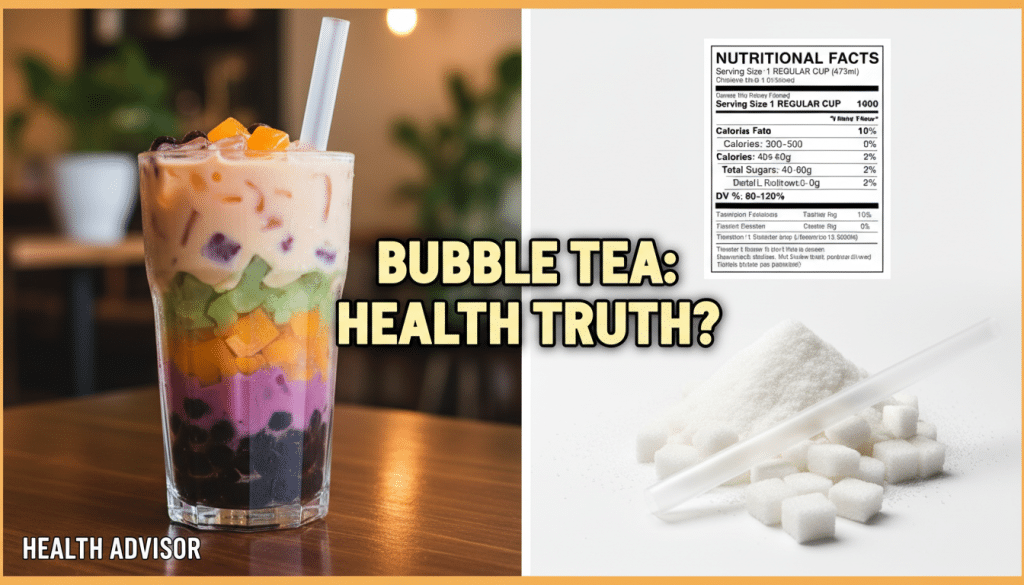
A single 16-ounce bubble tea can pack around 60 grams of sugar. For context, that’s more than double what most health experts say you should have in an entire day. One drink. Before lunch. Oops.
The good news? Once I figured out where all those calories were actually hiding, I realized I could cut like half of them without giving up the thing I love. So let’s talk about how to order smarter without becoming that person who asks seventeen questions and holds up the whole line.
Let’s Be Honest About What Bubble Tea Actually Is
Bubble tea is dessert in a cup. I’m not saying that to make you feel bad I’m saying it because once I stopped pretending it was a “beverage,” everything clicked.
The American Heart Association recommends no more than 25 grams of added sugar for women and 36 for men per day. One standard boba can deliver 100 to 240 percent of that. In one sip able package.
And those antioxidants from the tea? Research shows the benefits basically disappear once you add sugar, milk, and all the fun stuff. The sugar triggers inflammation that wipes out most of the upside.
This doesn’t make bubble tea bad. It just means treating it like you’d treat ice cream: sometimes, on purpose, and without pretending it’s a health food.
(I’ve made this mistake. Many times. We’re all learning here.)
Where the Calories Are Actually Hiding
Here’s what blew my mind: the tea itself has zero calories. Zero! It’s everything else that adds up.
Sugar syrup is the biggest culprit 30 to 50 calories per ounce, and most drinks have several ounces. Those trendy brown sugar boba drinks? The caramelized coating on the pearls adds another layer of sugar on top of what’s already in your syrup. It’s sugar inception.
Tapioca pearls run about 100 calories per serving and are often pre-sweetened before they even hit your cup.
Whole milk adds another 100 to 150 calories. Plant milks are lighter (50-80 calories), but here’s the catch: most shops use sweetened versions by default. Because of course they do.
Once you know where the calories live, you can use calorie ranges and topping swaps and actually do something about it.
A Few Things Worth Knowing (Don’t Panic)
I’m not trying to scare you off boba forever that would make me a hypocrite. But there are a couple things worth having in the back of your mind.
The spike and crash thing is real. Tapioca pearls are mostly refined starch with no fiber. Combine that with sugar syrup, and you get a blood sugar rollercoaster. That foggy, tired feeling an hour after your drink? Yeah, that’s why. I used to think I was just bad at afternoons. Turns out I was just bad at bubble tea timing.
Lead is… a thing. Consumer Reports found that some tapioca samples had concerning lead levels because cassava root absorbs heavy metals from soil. An occasional drink is low risk, but if you’re drinking boba daily for months, it can build up. This was the statistic that made me go “oh… maybe not every day.”
Some stomachs don’t love it. Tapioca is a resistant starch that ferments in your gut, which can mean bloating for some people. If your stomach stages a protest after boba, switching to aloe jelly or just getting half the normal topping amount usually helps.
The Actually Useful Part: How to Order Smarter
Okay, here’s what you came for. These are in order of impact biggest calorie savers first.
1. Drop your sugar level. This is the single easiest win. Going from 100% to 50% sweetness saves about 50 calories and 15-20 grams of sugar. Dropping to 30% can cut nearly half the drink’s total calories.
One heads up though: many chains use pre-mixed bases with sugar already baked in. Worth asking, “Is the sweetener added fresh, or is the tea base pre-mixed?” You might get a weird look. I have received several weird looks. Worth it.
2. Rethink your toppings. Aloe jelly and grass jelly are lower calorie alternatives that won’t spike your blood sugar as hard. You can also just ask for half the normal boba amount still get the chew, fewer regrets.
3. Switch your milk. Oat milk saves about 30 calories vs. whole milk. Soy saves around 40 and still gives you some protein. Unsweetened almond milk saves 70+ calories. The key word is unsweetened ask specifically, because the default is usually sweetened.
4. Size down. I know, I know. But going from 24 oz to 16 oz saves about 35-40% of total calories. The “large” upgrade usually means more syrup and more toppings, not just more tea. You’re mostly paying for extra sugar.
Quick Cheat Sheet
- Lowest calorie option: Fruit tea, 50% sweet, no milk, aloe jelly → around 100-120 calories
- Lowest sugar option: Black tea, 0% sweet, unsweetened almond milk, grass jelly → about 5-10g sugar
- Reasonable treat: Milk tea, 50% sugar, oat milk, half boba → around 180-200 calories
- Full indulgence: Whatever you want, no modifications, full enjoyment → totally fine sometimes
Honestly? The 50% sugar version tastes just as good to me now. Your taste buds adjust faster than you’d think.
How Often Is Actually Fine?
Once or twice a month: Basically no health impact. Order whatever you want and don’t think twice about it. This is treat territory.
Once or twice a week: The sugar starts adding up eight drinks a month means 320+ extra grams of sugar. At this frequency, the modifications above become actually important.
Multiple times a week: You’re adding 800+ calories weekly from something that isn’t filling you up, and the lead exposure thing becomes more relevant over time. Either make serious modifications or consider cutting back.
Pick your frequency first, then decide how much you’re willing to tweak your order to match.
A Quick Note If You’re in a Higher Risk Group
I’m not a doctor (just a person who reads too many nutrition studies), but there are some situations where being extra careful makes sense:
- Pregnant: The lead thing is more serious because it crosses the placenta. Keep it rare, go small, maybe skip the pearls.
- Managing blood sugar: The sugar plus starch combo can cause real glucose swings. If you have diabetes, talk to your doctor. If you’re pre-diabetic, 0-30% sweetness and smaller sizes are your friends.
- Kids under 5: Skip the pearls entirely they’re a choking hazard.
- Older kids and teens: One bubble tea can exceed a kid’s whole daily sugar limit, so occasional is better than regular.
The Bottom Line
Bubble tea can absolutely fit into your life. I still drink it! I just stopped pretending it was health food and started ordering strategically.
The frequency matters more than any single order. If you’re a once or twice a month person, get the full sugar, extra boba, brown sugar drizzle fantasy drink. Enjoy every sip.
If you’re more frequent (hi, fellow addicts), the small tweaks really do add up. Try one modification on your next order or make a cafe quality version at home and see how it feels. You might be surprised at how little you miss.
And honestly? Now that I know what’s actually in my cup, I enjoy it more. No weird guilt, no pretending, just a treat I chose on purpose.
Now if you’ll excuse me, I have an empty boba cup to throw away.