

Should You Blanch Pork Belly? Let’s Settle This Once and For All
You know that gray white foam that bubbles up when you’re braising pork belly? The stuff that makes you go “…should I be worried?”
That’s coagulated proteins and impurities doing their thing, and whether you deal with it upfront or skim it later is honestly one of those cooking debates that can spiral into a whole thing. I’ve been on both sides of this argument with myself, standing over the stove, questioning my choices.
So here’s the real answer: it depends on what you’re making and how much you care about a crystal clear sauce versus deep, caramelized browning. Let me break down when I blanch, when I skip it, and why drying your pork properly might matter more than either.
What Blanching Actually Does (And Doesn’t Do)
Blanching pulls surface proteins off the meat before your braise even starts. All that foam you’d normally spend the first twenty minutes skimming? Gone. Handled in a separate step. Your braising liquid stays cleaner.
But here’s where people get confused: blanching won’t make your pork less fatty. That’s a different problem (hello, overnight chilling and skimming). And it won’t give you that gorgeous browned flavor you get from searing. If you blanch and then just plop the pork straight into the braise, you’ve cleaned it up but missed the main flavor building opportunity.
The move I reach for when I really want it all? Blanch, dry thoroughly, then sear, then braise. Yes, it’s more steps. But the sauce is cleaner AND you get that caramelized depth. Best of both worlds if you have the patience.
When Blanching Is Actually Worth Your Time
Blanch when the sauce is the star.
Chinese red braised pork belly is my go to example here. That glossy, lacquered sauce gets spooned over rice, and you want it looking gorgeous not cloudy and rough around the edges. A clear sauce just looks more intentional.
Also blanch if your pork smells stronger than you’d like. Fresh pork shouldn’t really smell like much, but sometimes it does. (We’ve all been there.) Toss some ginger slices, scallion pieces, and a splash of Shaoxing wine into the blanching water. It helps a lot.
And honestly? Blanch if you hate babysitting a pot. Some people don’t mind skimming foam for the first stretch of a braise. I find it mildly annoying. Blanching moves that whole mess to a quick, separate step and then you’re done with it.
When to Skip Blanching and Sear Instead
If you’re making a dark, heavily seasoned braise lots of soy sauce, star anise, brown sugar, the works nobody’s going to notice (or care) if your sauce isn’t perfectly clear. Skip the blanch. Put that energy into a proper sear.
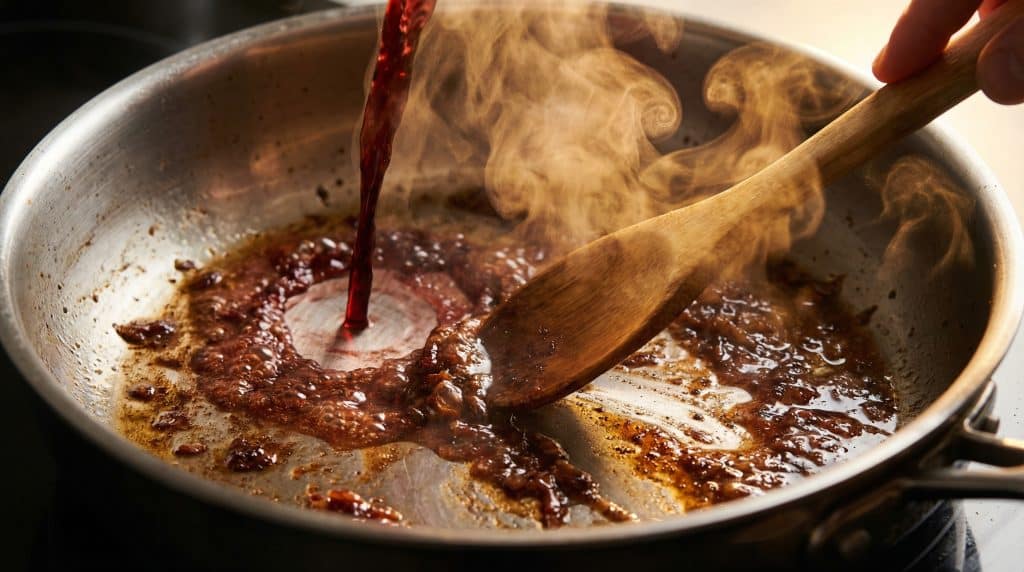
Brown the pork belly hard on all sides before adding liquid. Those browned bits stuck to the pan? That’s your flavor base. Deglaze with your braising liquid and scrape up every last bit. You’ll see more foam early on, so keep a spoon handy, but it’s manageable.
Or and this is the laziest path, which I respect just drop the raw pork into your braising liquid and plan to skim for the first 15-20 minutes. Less prep, more attention during cooking. Both work fine if you actually stay nearby at the beginning.
Quick Decision: Which Path Tonight?
Want the cleanest sauce? Blanch → rinse → dry completely → braise (add a sear after drying if you want browning).
Want the deepest browned flavor with fewer steps? Skip blanching → sear hard → deglaze → braise → skim early.
Pick the one that matches your energy level and what’s for dinner. No wrong answers.
How to Blanch Properly (Because the Details Matter)
If you’re going to blanch, do it right. Otherwise you’re just adding a step for no payoff.
Cut the pork into roughly 1 inch chunks. More surface area gets cleaned, and everything cooks more evenly later.
Boil for 3-5 minutes but don’t start timing until the water comes back to a full boil after the pork goes in. Foam will rise fast, the outside will turn opaque. That’s your sign. Going much longer can tighten the exterior, which you don’t want.
Drain, rinse, and DRY COMPLETELY. This is where people mess up. Rinse under cold water until the surface feels clean (not slippery) and the water runs mostly clear. Then pat it dry with paper towels. Then and this is key let it sit uncovered for 15-20 minutes. Or refrigerate it uncovered if you have time.
If your pork is still wet when you try to sear it, you’ll get sad, gray, steamed meat instead of beautiful browning. Ask me how I know.
The Finishing Moves That Actually Transform Everything
Here’s a secret: these two steps often matter more than whether you blanched or not.
Chill overnight and skim. Stick the whole pot in the fridge. The fat firms up on top and lifts right off. Plus the pork tastes better after resting the flavors settle and get cozy together. This is the real move for a cleaner tasting braise.
Reduce your sauce. Once the pork is tender, fish it out and simmer the liquid uncovered until it turns glossy and coats a spoon. Watch it carefully if there’s sugar in there it can go from “almost done” to “burnt caramel situation” fast.
When Things Go Sideways
Sauce looks cloudy or gray? The foam wasn’t dealt with early enough. If you’re already deep into cooking, you can strain and reduce, but it won’t get perfectly clear. Next time, handle that foam in the first twenty minutes, one way or another.
Blanched pork won’t brown? It was still wet. This is the number one blanching mistake. Be ruthless about drying.
Pork still smells off after blanching? The blanch might have been too short, or the water didn’t hit a real rolling boil, or real talk the pork just wasn’t that fresh to begin with. Blanching can reduce smell, but it can’t rescue meat that’s actually gone south.
(Oh, and that red liquid you sometimes see? Not blood. It’s myoglobin, a muscle protein. Totally normal.)
At the end of the day, blanching versus searing is about what you’re optimizing for: sauce clarity or deep browning. Neither is wrong. But if you take away one thing from this whole post, let it be this: dry your pork properly, and don’t skip the overnight rest. Those two moves will do more for your final dish than almost anything else.
Now go make some pork belly. You’ve got this.