







Eggs have been a dietary staple for centuries, yet their role in inflammation continues to spark debate among nutrition experts and health-conscious consumers.
Many people wonder whether eggs are inflammatory or anti-inflammatory, and whether eating eggs can increase chronic inflammation in the body.
Eggs contain a unique mix of nutrients, some of which may support an anti-inflammatory diet, while others can trigger inflammatory responses in specific individuals.
Factors such as egg quality, preparation methods, and personal health conditions all influence how eggs affect inflammation.
Understanding the connection between eggs and inflammation can help individuals make informed dietary choices.
What Is Inflammation & Why Does Diet Matter?
Inflammation is the body’s natural defense response to injury or infection, but its impact on health depends on whether it is short-term or long-lasting.
Acute inflammation helps the body heal after cuts or infections and usually resolves quickly.
In contrast, chronic inflammation can persist for months or years and is linked to conditions such as heart disease, diabetes, arthritis, and cancer.
Diet plays a critical role in regulating inflammation, as certain foods can increase inflammatory responses while others support an anti-inflammatory diet and help lower overall inflammation in the body.
Are Eggs Inflammatory or Anti-Inflammatory?
The answer isn’t straightforward. Eggs contain nutrients that can influence inflammatory pathways, but they show a largely neutral effect on inflammation markers in healthy adults.
Their overall impact depends on factors such as individual health status, the type of eggs consumed, and overall dietary patterns.
Research from clinical trials shows that egg consumption does not significantly increase inflammatory markers like C-reactive protein (hs-CRP), interleukin-6 (IL-6), or tumor necrosis factor-alpha (TNF-α) in most healthy adults.
A systematic review and meta-analysis published in the Journal of the Science of Food and Agriculture found no significant increase in inflammation biomarkers associated with egg consumption.
The complexity arises because eggs affect people differently based on their health status, gut microbiome composition, and whether they have food sensitivities or allergies.
Why Do Eggs Cause Inflammation in Some People

Eggs may trigger inflammation in certain individuals due to specific nutrients, gut interactions, immune responses, and overall dietary patterns.
1. Arachidonic Acid
Egg yolks contain arachidonic acid, an omega-6 fatty acid involved in both pro- and anti-inflammatory signaling pathways, with its effects influenced by overall dietary fat balance.
It converts into pro-inflammatory eicosanoids, increasing inflammatory signaling, especially in diets high in processed vegetable oils and refined foods.
2. Choline and Gut Health
Eggs are a rich source of choline, which is essential for brain and liver function.
In some individuals, gut bacteria can convert choline into TMAO; however, clinical studies show that egg consumption does not consistently increase TMAO levels, and whole eggs appear less inflammatory than choline supplements
3. Egg Allergy or Sensitivity
People with egg allergies or sensitivities may experience immune-triggered inflammation after consuming eggs.
This response releases inflammatory cytokines, leading to digestive discomfort, skin reactions, respiratory symptoms, or joint pain, particularly in autoimmune conditions.
4. Overall Dietary Context
The inflammatory effects of eggs depend on diet quality, cooking methods, omega-3 intake, and individual metabolic health.
Eggs eaten as part of a balanced, whole-food diet are less likely to contribute to chronic inflammation.
How Eggs Can Support an Anti-Inflammatory Diet
Eggs contain several nutrients that help regulate inflammation, especially when higher-quality eggs are consumed within a balanced, whole-food diet.
-
Omega-3 Fatty Acids: Omega-3-enriched and pasture-raised eggs provide significantly higher omega-3 levels than conventional eggs, helping reduce inflammation. A lower omega-6 to omega-3 ratio is associated with decreased risk of chronic inflammatory conditions, including heart disease and obesity.
-
Vitamin D: Eggs provide small amounts of vitamin D, with levels varying depending on hen diet and sunlight exposure, particularly from free-range or pasture-raised hens. Vitamin D supports immune regulation, helps control inflammatory responses, and plays a role in reducing chronic, low-grade inflammation.
-
Antioxidants (Lutein and Zeaxanthin): Egg yolks are rich in lutein and zeaxanthin, antioxidants that reduce oxidative stress. These compounds are highly bioavailable from eggs and help protect cells, tissues, and eye health from inflammation-related damage.
-
High-Quality Protein: Eggs provide complete protein that supports blood sugar stability and satiety. Stable blood sugar and healthy weight management help lower inflammatory stress throughout the body.
Eggs can contribute to anti-inflammatory nutrition when sourced carefully, prepared simply, and combined with vegetables, healthy fats, and whole foods.
Who Should Avoid or Limit Eggs?

While eggs fit well into a healthy diet for many people, some individuals may need to avoid or limit them.
Those with confirmed egg allergies should completely eliminate eggs to prevent immune-driven reactions.
People with autoimmune conditions such as rheumatoid arthritis or lupus may experience symptom flare-ups and benefit from a temporary elimination trial.
Individuals with gut health issues, including IBS or inflammatory bowel disease, may notice digestive discomfort after eating eggs.
Additionally, people with cholesterol sensitivity or familial hypercholesterolemia should follow medical guidance when consuming eggs.
Can Eggs Trigger Rheumatoid Arthritis (RA) Symptoms?Eggs may affect rheumatoid arthritis symptoms differently in each person. They contain both inflammatory and anti-inflammatory compounds, leading to mixed research findings. Some people with RA are sensitive to egg proteins, which may worsen joint pain and inflammation. However, moderate egg intake is often tolerated. An elimination and reintroduction approach helps identify individual tolerance. |
What Type of Eggs Should You Eat or Avoid?
The type of eggs you choose plays a major role in their nutrient content, fatty acid balance, and potential impact on inflammation.
Eggs for Reducing Inflammation
- Pasture-raised eggs contain significantly more omega-3 fatty acids, antioxidants, and fat-soluble vitamins due to hens’ natural foraging diets.
- These eggs offer a healthier omega-6 to omega-3 ratio, which is strongly linked to lower inflammatory responses.
- Omega-3–enriched eggs provide higher omega-3 levels and less arachidonic acid than conventional eggs.
- Organic eggs come from hens fed pesticide-free diets and generally contain improved nutrient profiles.
Eggs to Avoid or Limit
- Conventionally raised eggs tend to have higher omega-6 levels, fewer antioxidants, and lower vitamin content.
- Fried eggs cooked in refined oils increase inflammatory compounds.
- Pairing eggs with processed meats and refined carbohydrates reduces their overall health benefits.
Choosing higher-quality eggs and healthier cooking methods supports better inflammation control and long-term nutritional benefits.
Other Foods That Cause Inflammation

Knowing which foods promote inflammation can help reduce chronic disease risk and support better metabolic, cardiovascular, and immune health.
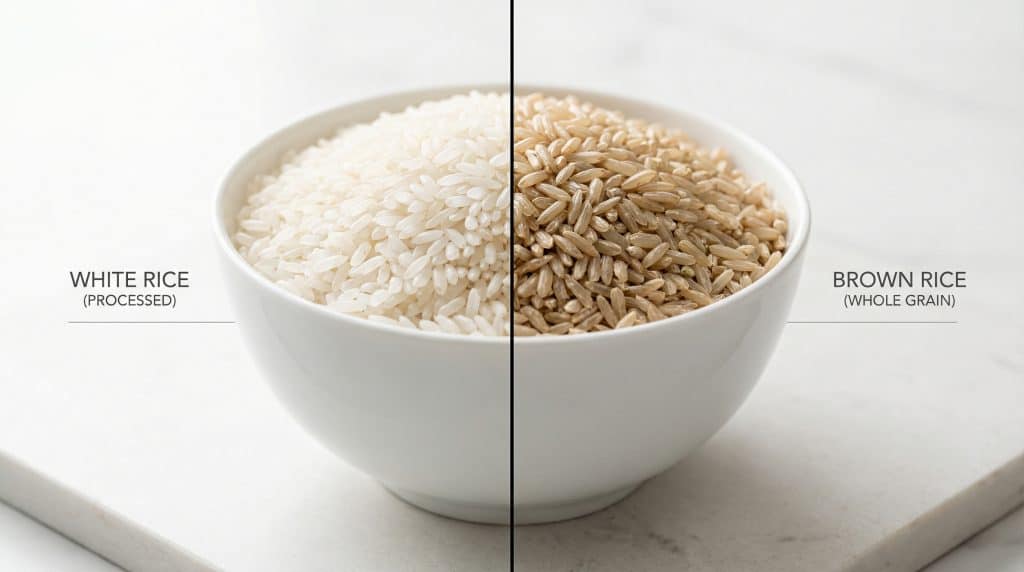
- Refined grains: White bread, pastries, and refined rice rapidly raise blood sugar, triggering inflammatory responses and insulin resistance.
- Refined sugar: Sugary drinks, candies, and baked goods increase inflammatory cytokines and contribute to metabolic dysfunction.
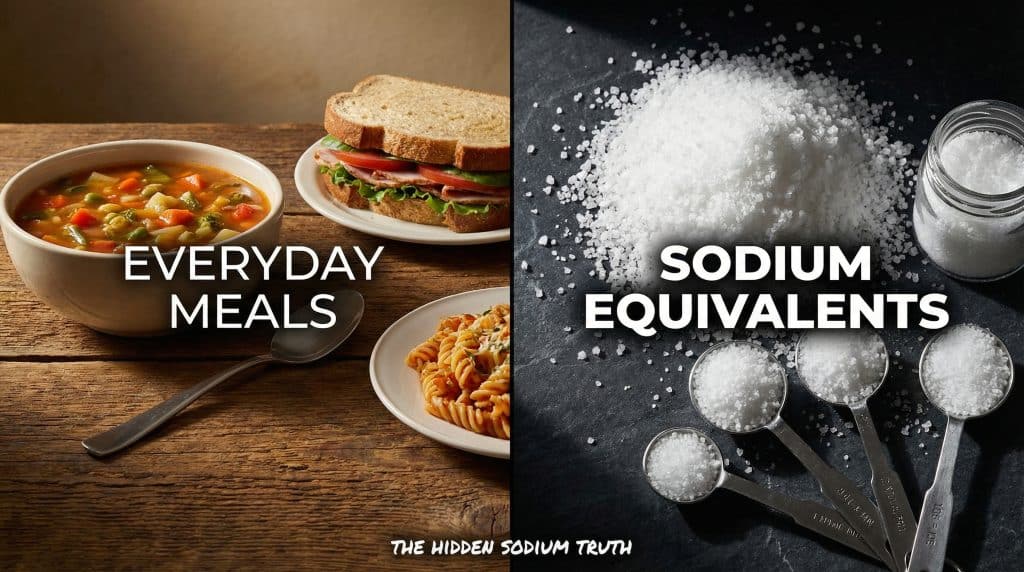
- Excess sodium: High sodium intake raises blood pressure and promotes inflammation throughout the cardiovascular system.
- Red and processed meats: Bacon, sausages, and red meat increase inflammatory markers due to saturated fats and advanced glycation end products.
- Trans fats: Found in many packaged foods, trans fats disrupt cellular function and significantly increase inflammation-related disease risk.
- Ultra-processed foods (UPFs): Fast food and packaged meals contain additives that impair gut health and drive systemic inflammation.
- Alcoholic beverages: Excess alcohol increases gut permeability and triggers widespread inflammatory responses.
Limiting these foods while prioritizing whole, nutrient-rich options helps reduce inflammation and protect long-term health.
What Foods Reduce Inflammation?
An anti-inflammatory diet focuses on whole, nutrient-dense foods that supply antioxidants, healthy fats, and compounds that help regulate inflammation naturally.
- Fatty fish: Salmon, sardines, mackerel, and herring provide omega-3 fatty acids (EPA and DHA) that actively lower inflammatory markers.
- Vegetables and leafy greens: Spinach, kale, broccoli, and Brussels sprouts contain fiber, antioxidants, and phytochemicals that help combat chronic inflammation.
- Fruits (berries): Blueberries, strawberries, and raspberries are rich in polyphenols and anthocyanins with strong anti-inflammatory effects.
- Olive oil: Extra virgin olive oil contains oleocanthal, a compound with anti-inflammatory properties similar to nonsteroidal anti-inflammatory drugs.
- Nuts and seeds: Almonds, walnuts, chia seeds, and flaxseeds provide healthy fats, fiber, and micronutrients that support inflammation control.
- Herbs and spices: Turmeric, ginger, garlic, cinnamon, and black pepper contain bioactive compounds that help reduce inflammatory processes.
Consistently prioritizing these foods helps lower chronic inflammation and supports overall metabolic, cardiovascular, and immune health.
Common Misconceptions About Inflammatory Foods
Several myths about inflammation and diet persist despite scientific evidence to the contrary.
“All animal foods are inflammatory”: This oversimplification ignores essential distinctions. Quality matters significantly.
Wild-caught fish, pasture-raised eggs, and grass-fed meat can be part of anti-inflammatory diets when consumed in moderation and balanced with plant foods.
“Egg yolks are unhealthy”: Egg whites became popular based on outdated cholesterol concerns. The yolk contains most of an egg’s nutrients, including choline, antioxidants, vitamin D, and omega-3s.
For most people, eating whole eggs provides more health benefits than egg whites alone.
“One food alone causes inflammation”: Inflammation results from overall dietary patterns, lifestyle factors, genetics, and environmental exposures.
While individual foods contribute, your complete eating pattern matters most.
Are There Any Proven Anti-Inflammatory Diets?
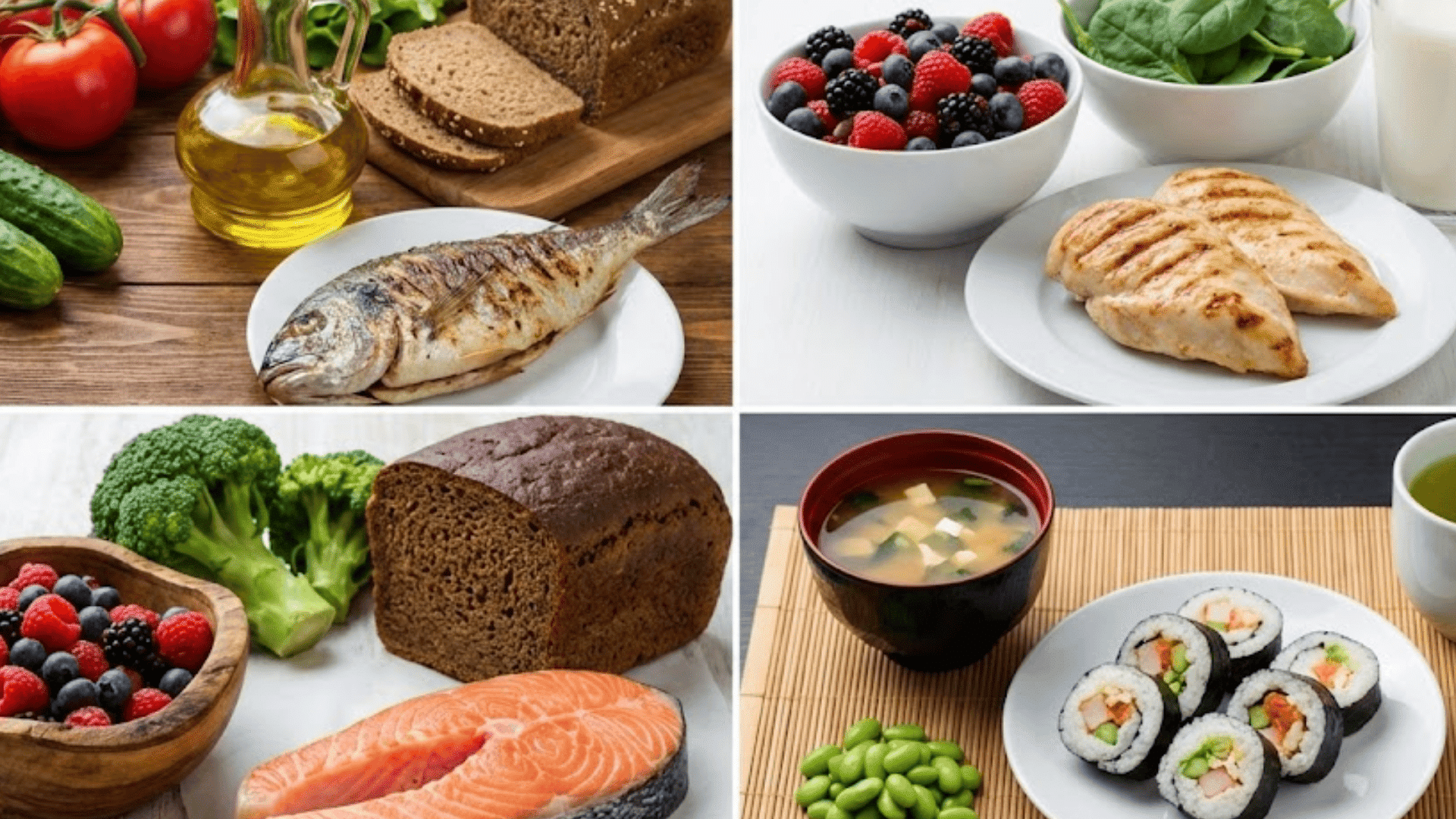
Several well-researched dietary patterns help reduce inflammation by emphasizing whole foods, healthy fats, and nutrient-dense ingredients while limiting processed foods.
- Mediterranean Diet: Focuses on olive oil, fish, vegetables, whole grains, and legumes, consistently linked to reduced inflammation and heart disease risk.
- DASH Diet: Emphasizes fruits, vegetables, whole grains, lean proteins, and low sodium intake to lower inflammation and support blood pressure control.
- Nordic Diet: Highlights berries, cruciferous vegetables, whole grains, fish, and rapeseed oil, associated with improved metabolic and inflammatory health.
- Washoku (Japanese) Diet: Centers on fish, soy foods, sea vegetables, fermented foods, and green tea, supporting longevity and reduced chronic inflammation.
These anti-inflammatory diets share a common focus on whole, minimally processed foods that promote long-term health and lower inflammation.
Simple Dietary Swaps to Lower Chronic Inflammation
Simple dietary swaps can significantly lower chronic inflammation by replacing processed foods, improving cooking methods, and choosing balanced, nutrient-rich meals.
| Category | Instead Of | Swap With |
|---|---|---|
| Processed → Whole Foods | White bread | 100% whole-grain bread |
| Sugary cereal | Steel-cut oats with berries | |
| Packaged cookies | Fresh fruit with nut butter | |
| Frozen meals | Home-cooked meals with whole ingredients | |
| Cooking Methods | Frying foods | Baking, grilling, steaming, or poaching |
| Deep-fried foods | Air-fried or roasted options | |
| Corn / soybean oil | Olive oil, avocado oil, or coconut oil | |
| Balanced Meal Examples | Breakfast | Poached eggs, whole-grain toast, avocado, tomatoes |
| Lunch | Grilled salmon, mixed greens, olive oil dressing | |
| Dinner | Stir-fried vegetables, tofu, brown rice, turmeric, ginger |
Consistently choosing whole foods and healthier cooking methods helps reduce inflammation, support metabolic health, and improve long-term overall wellness.
How Do Inflammatory Foods Affect the Body Long Term?
Chronic consumption of inflammatory foods can have serious long-term effects on overall health.
Persistent inflammation increases the risk of chronic diseases such as heart disease, type 2 diabetes, metabolic syndrome, and certain cancers.
It can also trigger autoimmune flare-ups, worsening pain, and disease progression.
Over time, inflammation disrupts insulin signaling, promotes visceral fat storage, damages blood vessels, and raises blood pressure, increasing cardiovascular risk.
Emerging research also links chronic inflammation to cognitive decline, mood disorders, and accelerated aging through cellular damage and shortened telomeres.
Final Takeaway: Should You Eat Eggs or Avoid Them?
For most people, eggs can be part of a healthy eating pattern without increasing inflammation.
Moderate egg intake does not significantly raise inflammatory markers in individuals without allergies or sensitivities.
Choosing pasture-raised or omega-3-enriched eggs and preparing them with gentle cooking methods can further support an anti-inflammatory diet.
However, responses vary, and some individuals may find that eggs cause inflammation due to personal sensitivities or autoimmune conditions.
The key is focusing on overall diet quality rather than one food alone.
If you’re unsure whether eggs are inflammatory or anti-inflammatory for you, consult a healthcare professional for personalized guidance.