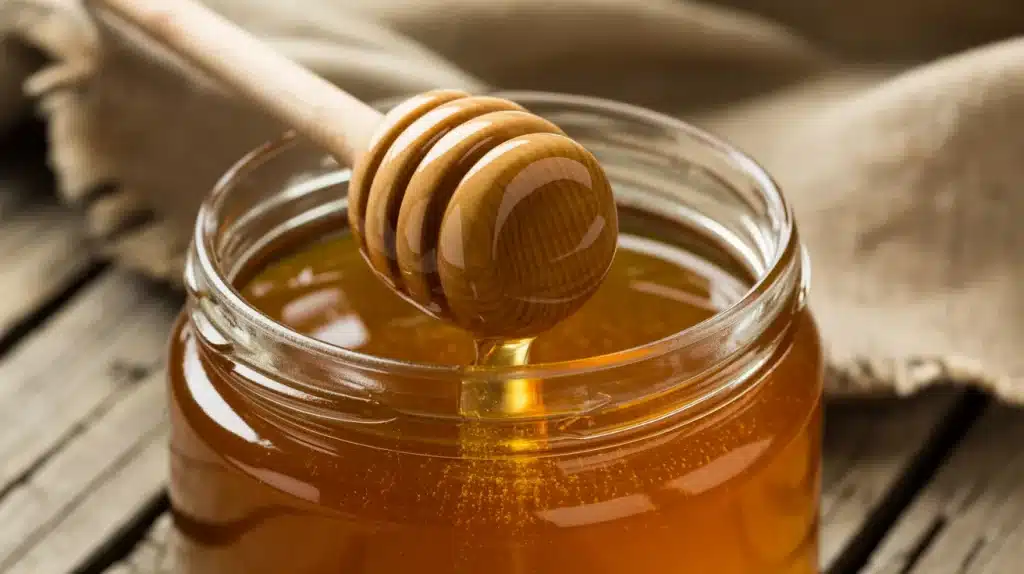



You bought a jar of honey, and now you’re staring at it. Wondering, does this go in the fridge or the pantry? And why has it turned all thick and grainy? You’re not alone here, lost in this question. These are two of the most common honey questions out there.
Here’s the short answer: honey does not need to be refrigerated. Room temperature is best. Store it right, and it stays smooth, usable, and lasts for years without any issues.
How to Store Honey the Right Way
Most honey storage problems come down to a few simple mistakes. Get the basics right, and your honey will stay smooth, fresh, and easy to use. Here’s how to store honey properly without overcomplicating things.
If you want to see how others handle this in real-life discussions, here’s a community thread where people share their storage tips: How people store honey (Reddit discussion)
Keep It at Room Temperature
The ideal temperature for storing honey is between 18–24°C (64–75°F). That’s basically your regular room temperature. At this range, honey stays smooth and pourable, retaining its natural flavor. Go too cold, and it hardens. Go too hot, and the quality starts to break down over time.
Use an Air-Tight Container
Moisture is honey’s biggest enemy. If water gets into honey, it can start to ferment, which isn’t something you want. Always store honey in a tightly sealed, airtight container. Make sure the lid is screwed on properly after every use.
Watch the Humidity in Your Kitchen
Humidity can slowly introduce moisture into honey, especially if the container is opened frequently. If you live in a humid environment, make sure the lid is sealed immediately after use and avoid storing honey in areas with steam, such as stovetops.
Store in a Dark Place
Light slowly breaks down honey’s quality. Keeping it in a dark spot, like a pantry or a cupboard, helps it stay in better shape for longer. Avoid leaving it on the counter next to a sunny window. A pantry shelf or kitchen cupboard away from heat and sunlight is usually the best spot, as long as the temperature stays consistent.
Does Honey Need to Be Refrigerated?
No, honey does not need to be refrigerated. This is one of the most common misconceptions about honey storage, and it’s actually the opposite of what you should do.
When you refrigerate honey, it speeds up the crystallization process significantly. Your honey turns hard, grainy, and nearly impossible to scoop out of the jar. The cold temperature doesn’t preserve it better; it just makes it harder to use.
The only time refrigeration might cross your mind is if you live somewhere extremely hot, like above 35°C (95°F), and your home has no air conditioning. Even then, it’s not ideal. A cool, dark pantry shelf is still the better choice in almost every situation.
Why Honey Crystallizes (and Why It’s Not Bad)
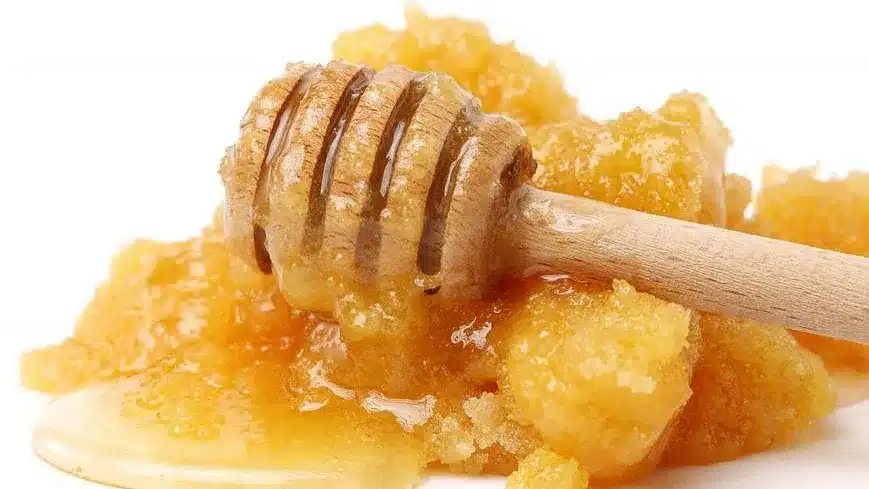
If your honey has turned thick and grainy, don’t throw it away. It hasn’t gone bad. Crystallization is completely natural.
It happens because honey is made up of natural sugars, mainly glucose and fructose. Over time, glucose separates out and forms tiny crystals, which is why honey crystallizes. This is just honey being honey. Raw honey tends to crystallize faster than processed honey because it still contains all its natural enzymes and pollen.
Crystallized honey is still perfectly safe to eat. The taste and nutritional value are unchanged. Think of it as a different texture, not a sign of spoilage.
How to Prevent Honey from Crystallizing
You can slow down crystallization, but you can’t stop it forever, especially with raw honey. Here’s what helps:
To slow down crystallization:
- Store honey at a stable room temperature
- Keep it tightly sealed
- Avoid refrigeration
- Use a glass container for better consistency
To fix crystallized honey:
- Place the sealed jar in warm water (not boiling)
- Let it sit for 15–30 minutes
- Stir occasionally until smooth
Avoid using the microwave. High heat destroys the natural enzymes and antioxidants that make raw honey beneficial. Low and slow is the way to go.
Best Containers for Storing Honey
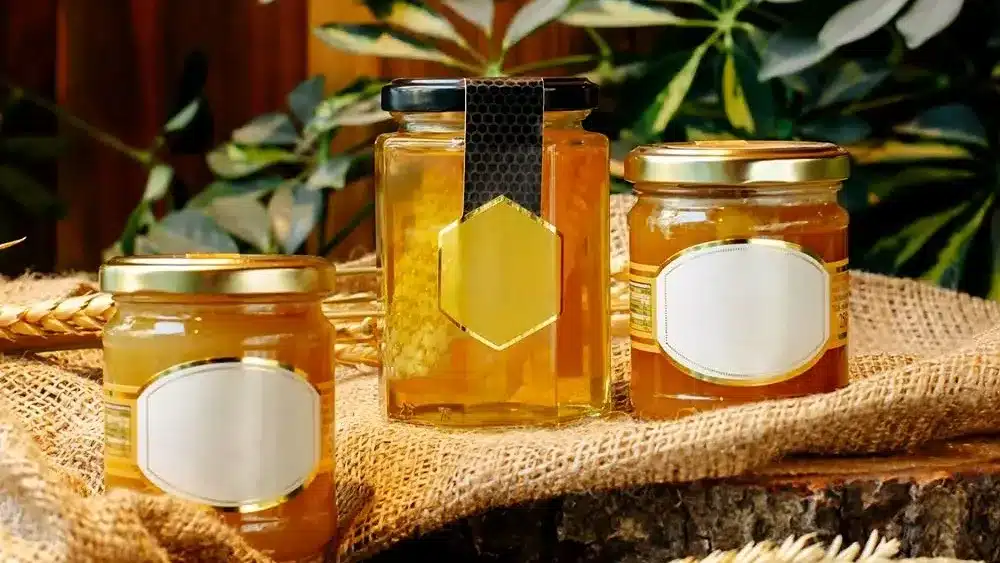
The container you use matters more than most people think. The right choice keeps honey fresh and prevents unwanted changes in taste or quality. Here’s what works best and what to avoid.
Glass vs Plastic: Choosing between glass and plastic isn’t complicated, but the differences matter over time. Here’s a quick side-by-side comparison to help you decide what works best.
| Feature | Glass Containers | Plastic Containers |
|---|---|---|
| Durability | Can break if dropped | More durable |
| Chemical Safety | Non-reactive, safest | May absorb/leach odors |
| Airtight Seal | Excellent | Varies by quality |
| Long-Term Storage | Best choice | Not ideal |
| Cost | Slightly higher | Usually cheaper |
Avoid Metal Containers:Don’t store honey in metal containers. Honey is mildly acidic and can react with certain metals over time, which can affect the taste and quality. This applies to all types of honey, raw, creamed, or processed; none of them should be stored in metal.
How to Store Different Types of Honey
Different types of honey behave slightly differently when stored, especially in terms of texture and crystallization. Here’s how to handle each type properly:
1. Raw Honey
Raw honey is the least processed and contains natural enzymes and pollen. It crystallizes faster than other types, so store it at a stable room temperature and keep it tightly sealed. Avoid refrigeration completely.
2. Creamed Honey
Creamed honey is intentionally crystallized to have a smooth, spreadable texture. Store it at cool room temperature to maintain its consistency. Avoid heat, as it can melt and lose its texture.
3. Processed or Pasteurized Honey
Processed honey is filtered and heated, which keeps it liquid longer. It’s less sensitive to crystallization but should still be stored in a sealed container at room temperature to maintain quality.
How Long Does Honey Last?
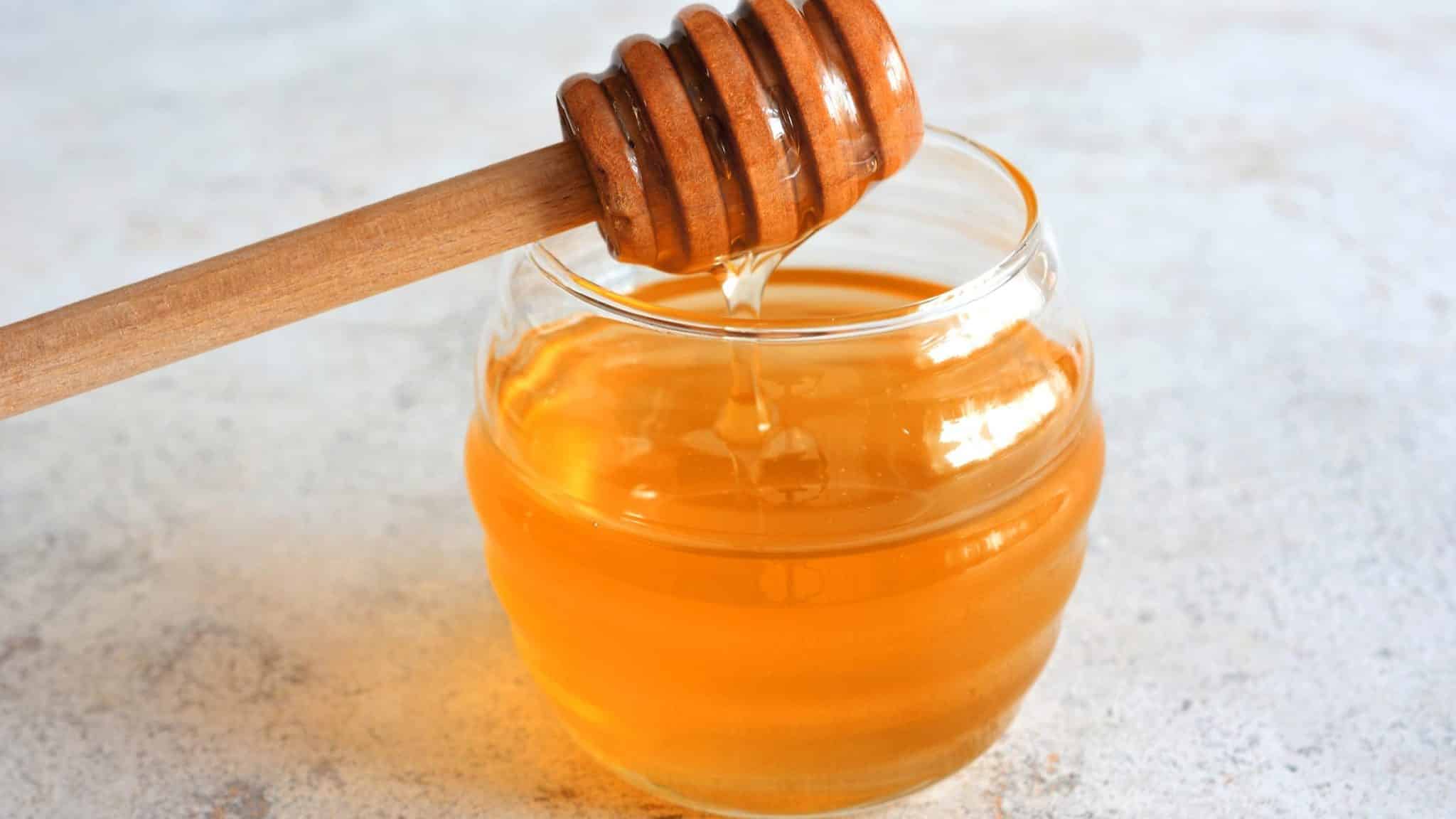
Honey has a practically indefinite shelf life when stored correctly. Properly sealed honey doesn’t really expire. It may change texture or color over the years, but it doesn’t go bad in the traditional sense.
There’s a famous real-world example of this: archaeologists have found honey in ancient Egyptian tombs that was thousands of years old and still edible. That’s how stable honey is as a food.
The key is keeping it sealed and away from moisture. If water gets into honey, it can ferment and go off. But a properly stored, sealed jar of honey will last as long as you need it to.
How to Use Bulk Honey EfficientlyIf you buy honey in bulk, don’t keep opening the main container every day. Instead, transfer a smaller amount into a separate jar for regular use and keep the rest tightly sealed. This reduces exposure to air and moisture, helping the honey maintain its quality for longer. Always use clean, dry utensils when handling bulk honey to avoid contamination. |
Common Honey Storage Mistakes to Avoid
Most honey storage issues come from small, avoidable mistakes. Fixing these simple habits can make a big difference in how long your honey stays fresh and usable.
- Refrigerating it unnecessarily: It speeds up crystallization and makes honey hard to use.
- Leaving the lid open: Moisture can enter, leading to fermentation.
- Using a wet spoon: Even a little bit of water in the jar can trigger fermentation over time. Always use a dry spoon.
- Storing near heat sources: Keeping honey next to the stove or in a spot that gets direct sunlight breaks down its quality over time.
Quick Storage Checklist
If you don’t want to remember all the details, this is all you really need. Follow these basics, and your honey will stay in good condition without any extra effort.
- Store at room temperature (18–24°C)
- Use an airtight container
- Keep it dry, never use wet spoons
- Do not refrigerate
- A glass container is best for long-term storage
- Store in a dark, cool spot away from sunlight and heat
- Crystallization is normal, not a sign of spoilage
Final Thoughts
Storing honey is genuinely simple once you know what to do. Skip the fridge, keep the lid on tight, use glass if you can, and find a cool, dark spot in your pantry. That’s really it. If your honey crystallizes, don’t panic; it’s normal, especially with raw honey.
A quick warm-water bath will restore it to its smooth, pourable form in no time. Treat honey right, and it’ll last you pretty much forever.
Frequently Asked Questions
Does Honey Expire After Opening?
No, honey doesn’t expire if stored properly in a sealed container. It may change texture or color over time, but it remains safe to eat.
Why Does Honey Turn Solid or Grainy?
Honey crystallizes naturally due to its glucose content, which causes it to separate over time. It’s a normal process and not a sign of spoilage.
Can You Microwave Honey to Fix Crystallization?
You can, but it’s not recommended because high heat can damage its natural enzymes. A warm water bath is a safer and better method.
Is Crystallized Honey Safe to Eat?
Yes, crystallized honey is completely safe and retains its flavor and nutrients. It’s just a change in texture, not quality.