

Hidden Sodium: The Sneaky Saboteur Living in Your Pantry
Okay, confession time: I used to think I was doing pretty well with sodium. I mean, I barely touched the salt shaker! Turns out, that’s like saying you’re watching your sugar intake because you don’t eat sugar cubes for breakfast.
Here’s the thing that made my jaw drop: that little shaker on your table? It accounts for about 11% of your sodium intake. The other 89% is already IN the food before you even sit down. It’s in your bread, your soup, your “healthy” cottage cheese, and definitely in that deli sandwich you grabbed for lunch.
Most of us are eating around 3,400 mg of sodium a day. The recommended limit? 2,300 mg. That’s one teaspoon of salt total. ONE. TEASPOON.
And if you’ve got high blood pressure, heart issues, or kidney problems? Many doctors want you closer to 1,500 mg, which is basically a sneeze’s worth of salt.
How to Tell You’ve Overdone It
Your body is actually pretty good at telling you when you’ve gone overboard on sodium. The problem is, we’ve gotten really good at ignoring it.
Within hours of a salty meal: You’re bloated. Your rings feel tight. You’re weirdly thirsty but also running to the bathroom constantly (super fun at 2 AM). Some people get headaches or that weird pressure behind the eyes feeling. Blood pressure can spike within 30 minutes of a sodium bomb.
Over days: Your hands and feet start looking puffy. You’re sleeping terribly, which means brain fog and dragging through the afternoon. Muscle cramps might show up uninvited.
The sneakiest sign? You automatically reach for the salt shaker before tasting your food. That’s your taste buds waving a little white flag, telling you they’ve adjusted to way too much salt.
Good news: all of this is reversible. You just need to figure out where the salt is actually coming from.
The Foods That Betrayed Me (And Probably You Too)
Let me walk you through some foods that look innocent but are basically salt licks in disguise.
The Obvious-ish Offenders
Deli sandwiches are sodium stacking champions. I did the math on a basic six inch sub once and wanted to cry:
- Cold cuts: 500-1,000 mg
- Two slices of bread: 240-400 mg
- One cheese slice: 270 mg
- Condiments: 150-900 mg
That’s potentially 2,570 mg BEFORE you add chips. Your entire day’s limit, just sitting there looking like a reasonable lunch.
Canned soup is the clearest trap. One bowl (two cups) can exceed 2,000 mg. I call this “sodium in a bowl disguised as comfort food.”
Processed meats are wild. Three ounces of salami? 2,260 mg. That’s almost your ENTIRE daily limit in a few slices of meat.
The Ones That Actually Surprised Me
Cottage cheese – health food darling, right? 350-460 mg per half cup. It’s basically salty milk chunks pretending to be virtuous.
Instant oatmeal packets – about 200 mg each before you add anything. Plain oats? Almost zero. The “convenience” is costing you.
Frozen shrimp – this one genuinely upset me. A lot of packaged shrimp is treated with sodium based preservatives. Three ounces can hit 800 mg. Fresh shrimp has almost none. Same shrimp, wildly different sodium.
Vegetable juice – that “healthy” breakfast glass of V8? 640 mg per half cup. That’s 28% of your daily allowance in one innocent looking drink.
Bread – doesn’t seem like a lot per slice (about 120-130 mg), but most of us eat bread multiple times a day. It adds up like those small purchases that destroy your bank account.
Reading Labels Without Losing Your Mind
Here’s where I get a little ranty: front of package claims are basically marketing poetry. “Reduced sodium” just means 25% less than the regular version which might still be outrageously high. “No salt added” means they didn’t add salt during processing, but the food can still naturally contain a bunch.
The labels you can actually trust: “Low sodium” (140 mg or less per serving) and “very low sodium” (35 mg or less). Those actually mean something.
My 60-second label hack:
- Check the serving size first. Companies are sneaky. That “one serving” of soup might be one cup when you know you’re eating two.
- Look at milligrams, not just percentages. If you’re aiming for 1,500 mg instead of 2,300 mg, those percentages are lying to you.
- Scan the first five ingredients. If salt or anything with “sodium” in the name shows up early, walk away slowly.
Also, sodium has aliases: monosodium glutamate (MSG), sodium bicarbonate, sodium nitrate, sodium benzoate. It’s like salt is in witness protection.
Actually Useful Swaps That Don’t Make You Sad
I’m not here to tell you to eat unseasoned chicken breast for the rest of your life. Here’s what actually works:
Rinse your canned goods. Thirty seconds under cold water while stirring cuts sodium by about 40%. Works for beans, veggies, and canned tuna. (Doesn’t work for soup, obviously – that’s just making watery soup.)
The 50/50 trick: Mix regular and low sodium versions of broth for Mexican rice, soup, or soy sauce. Your taste buds barely notice, but your kidneys will thank you.
Salt at the end, not during cooking. Salt on the surface of food tastes saltier than salt dissolved throughout. Cut your cooking salt in half, then add a tiny bit at the table if needed. This saves 300-400 mg per meal without food tasting like cardboard.
Quick swaps that actually save hundreds of milligrams:
- Deli sandwich → rotisserie chicken with fresh tomato and avocado (saves 500-700 mg)
- Regular soy sauce → reduced sodium version (saves 350 mg per tablespoon)
- Canned broth → reduced sodium broth (saves 200-250 mg per cup)
- Instant ramen → box pasta with fresh veggies (saves 600-800 mg per meal)
Flavor boosters that aren’t salt: Lemon juice makes food taste saltier with zero sodium – chemistry magic! Fresh herbs, garlic powder (NOT garlic salt, which has 1,600 mg per teaspoon), black pepper, cumin, paprika. Grilling and roasting also build flavor that makes you miss salt less.
Eating Out Without Undoing Everything
Restaurant meals typically contain 1,200-2,000 mg of sodium. One meal. I’ve learned to be that person who asks questions:
- “Can you make this without added salt?”
- “Sauce on the side, please.”
- “No soy sauce.”
Grilled protein with plain vegetables usually clocks in under 400 mg. Salad with oil and vinegar on the side is often under 200 mg. Anything described as “marinated,” “brined,” or “glazed”? That’s code for “we soaked this in salt water.”
How Long Until Normal Food Stops Tasting Bland?
About two to three weeks. I won’t lie the first week is rough. Everything tastes like nothing.
But here’s what’s wild: by week three, foods you used to love start tasting aggressively salty. Restaurant food might actually seem too much. That’s not willpower. That’s your taste receptors literally recalibrating. Your tongue adjusts. Trust the process.
When to Actually Call Your Doctor
Okay, serious section. Schedule an appointment if:
- Your blood pressure stays above 130/80 after two plus weeks of cutting sodium
- You have hypertension, heart failure, or kidney disease and need a personalized target
- You gain more than 2-3 pounds in a day or two for no clear reason
- You’re on diuretics, ACE inhibitors, or ARBs
Get urgent care for: Sudden leg or foot swelling, fast unexplained weight gain, palpitations with chest discomfort or shortness of breath, or blood pressure above 160/100 with symptoms.
(And if you want to increase potassium to help flush sodium which is a real thing check with your doctor first if you have kidney issues or take certain medications.)
The Bottom Line
You don’t have to be perfect. You just have to be aware.
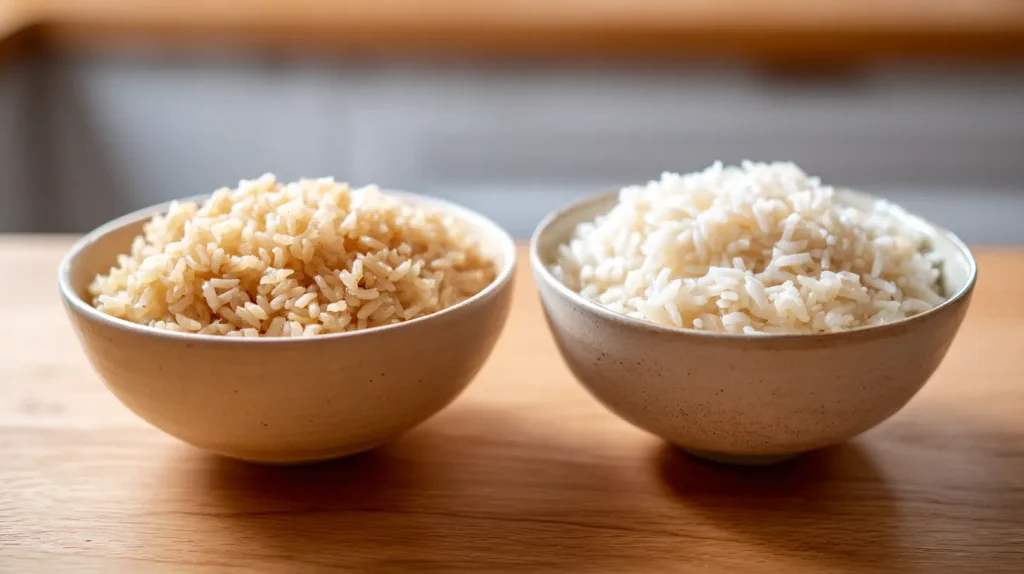
Start with one thing: maybe it’s rinsing your beans, or choosing between white and brown rice, or asking for sauce on the side. Those small moves add up faster than you’d think.
Pick one swap tonight. Read one label tomorrow. Your taste buds will adjust, your rings will fit better, and that 2 AM bathroom trip might become a thing of the past.
Now if you’ll excuse me, I need to go mourn my relationship with deli sandwiches.