

No Asparagus? Here’s What to Grab Instead (Without Ruining Dinner)
Look, I get it. You had a plan. The recipe said asparagus. You went to the store like a responsible adult, and the asparagus bin looked like a crime scene—wilted, sad, priced like gold bars, or just… empty.
Now you’re standing there, staring at the produce section, wondering if you can just skip it entirely. (You can’t. Well, you can, but your dish will know.)
Here’s the thing: no vegetable tastes exactly like asparagus. I’m not going to lie to you. But several can do the same job on your plate and honestly, sometimes they do it better. The trick isn’t finding an asparagus clone. It’s matching your substitute to how you’re cooking it.
Why Asparagus Is Annoyingly Unique
Before we swap, let’s name what we’re actually replacing. Asparagus has this fresh, slightly grassy thing going on with a faint mineral note earthy but still bright. Raw, it snaps. Cooked right, it stays tender with a little bite instead of turning into green mush.
That combo of mild sweetness and clean snap? That’s what we’re chasing. And it’s why a few veggies rise to the top while others just… don’t.
The Substitutes That Actually Work
Broccolini is my ride or die. The stems eat almost exactly like asparagus spears, and those little florets cook fast without falling apart. It’s slightly sweeter, which honestly makes it better with butter, lemon, or anything rich including lemony mushroom linguine. Roasting, steaming, wrapping in prosciutto broccolini handles it all. If the store has it, grab it. Done.
Green beans are the reliable friend who always shows up. Available year round, usually cheap, and they swap 1:1 for almost any cooking method. Blanched, they get close to that lightly cooked asparagus snap. Cooked longer, they mellow into that same mild green vibe. Not exciting, but never disappointing.
Peeled broccoli stems hear me out. That thick stalk you’ve been throwing away your whole life? Peel off the tough outer layer and the inside is tender, crunchy, and weirdly delicious. I felt personally betrayed when I learned this. All those stems I composted…
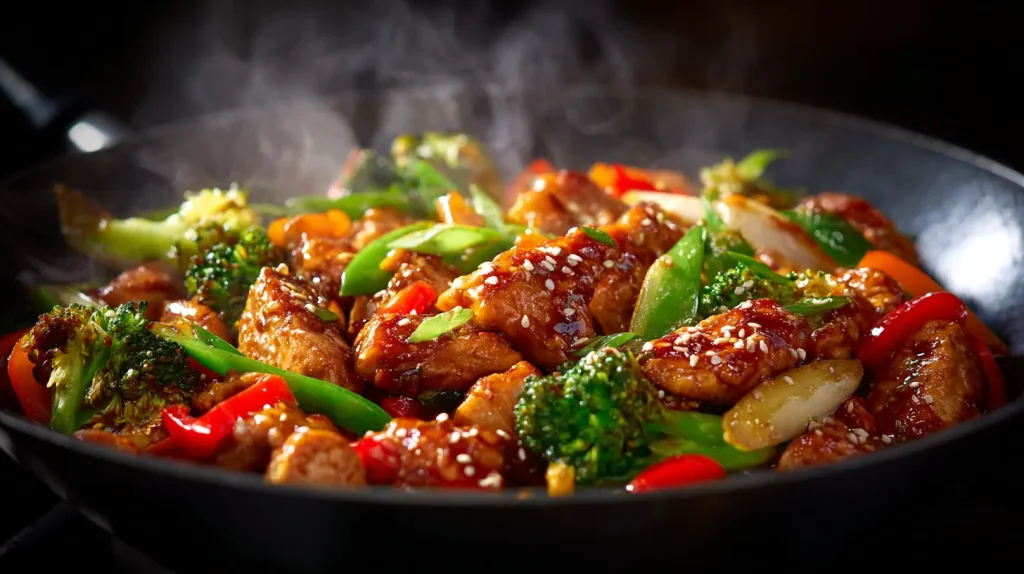
Sugar snap peas and snow peas bring sweetness and keep their crunch like champs. They cook faster than asparagus though, so add them late or they’ll go limp on you. Perfect for stir fries or salads when you want something bright and snappy.
A Few More Options (With Caveats)
Zucchini soaks up sauce like a sponge, which makes it great for creamy pastas or risottos. Cut it lengthwise for a spear look. The catch: it’s basically 90% water, so it can turn to mush fast. Salt it, let it drain for 10-15 minutes, then cook. Non-negotiable.
Leeks get sweet and silky when roasted or braised. Just split them lengthwise and rinse between the layers grit hides in there like it’s trying to ruin your day.
Artichoke hearts (canned is fine, don’t be a hero) work great for Mediterranean style dishes where you want something mild and tender.
The Part That Actually Matters: Timing
This is where substitutes either work or totally fall apart. Here’s the cheat sheet:
For roasting/grilling: Broccolini needs 12-15 minutes (if the stems are thick, give them a head start). Green beans need 15-20 minutes dry them well first. Zucchini spears take 12-15 minutes after you’ve salted and drained them.
For blanching: Green beans go 4-5 minutes, then straight into ice water for fiddlehead preparation safety too. Snap and snow peas need only 2-3 minutes shock them immediately or they’ll betray you.
For stir frying: Green beans can hang for 5-7 minutes over high heat. Snap peas go in during the last 2-3 minutes, no earlier.
For raw/cold dishes: Thinly sliced snap peas or shaved broccoli stems (peeled first).
The rule: dense veggies need more time, delicate ones need less, and watery ones need screaming hot heat so they sear instead of steaming everything into soggy sadness.
Quick Recipe Matching
- Roasted or grilled sides: Broccolini, green beans, or lengthwise cut zucchini
- Stir fries: Snap peas or green beans
- Salads: Blanched green beans, raw snap peas, or shaved broccoli stems
- Wrapped in prosciutto: Broccolini stems or green beans (they bundle nicely)
- With hollandaise or butter sauces: Broccolini or peeled broccoli stems
- Creamy pasta or risotto: Zucchini (add it in the last 5-7 minutes)
- Quiche or frittata: Green beans, broccolini, or peas
When Things Go Sideways
Broccolini florets turn to mush while stems stay firm: Separate them. Cook stems first, add florets for the last 2-3 minutes.
Green beans water out your pan: Your heat wasn’t high enough. Dry them completely, hot pan, high heat you want that moisture to flash off, not puddle.
Zucchini turned into baby food: You skipped the salt and drain step, didn’t you? Also cut back other liquids in your recipe by about ¼ cup.
Hollandaise breaks over your substitute: The veggie’s too hot. Broccolini holds heat longer than asparagus. Pull it about 30 seconds earlier than you think you should.
When to Just… Wait for Asparagus
Some dishes are about asparagus. If you’re doing a simple cold prep, serving it nearly raw with just lemon and good butter, or making something where asparagus is the whole star wait for the real thing. Substitutes won’t deliver that specific grassy, tender bite when that’s literally the point of the dish.
Also skip these: fennel (too licorice-y), green bell peppers (they look similar but taste nothing alike), and celery when you need tenderness (it goes stringy and weird).
The Bottom Line
Next time you’re staring at an empty asparagus bin, don’t panic. Grab broccolini if they have it, green beans if they don’t, and cook it according to your method. Focus on what your dish actually needs crunch, browning, sauce absorption, tender bite and pick the veggie that delivers that.
Trust the technique. Adjust your timing. Your dinner will be just fine.
(And maybe even better. I’m just saying broccolini wrapped in prosciutto might convert you permanently.)