

Not all carbs are high in calories, and that’s great news for anyone trying to manage their weight or fuel their body the right way.
Some foods give you plenty of energy from carbohydrates while still staying light on calories, making them perfect for balanced meals, active lifestyles, or anyone who wants to feel full without overeating.
High-carb, low-calorie foods can help you stay energized, support digestion, and keep you satisfied between meals.
From fruits and veggies to grains and snacks, there are lots of wise choices you can add to your diet without feeling weighed down.
Why High-Carbs Get a Bad Rap, and Why They Shouldn’t
Carbs are one of the most misunderstood parts of our diet. Many people think carbs automatically cause weight gain, but that’s not true.
Carbs get a bad rap mainly because sugary snacks, pastries, and processed foods are high in calories and made with low-quality carbs. But not all carbs are the same.
Your body actually needs carbs for energy, especially your brain and muscles. Healthy carbs like fruits, vegetables, beans, whole grains, and even starchy foods give you steady energy without weighing you down.
The goal isn’t to avoid carbs, it’s to choose the right ones. When you pick high-carb, low-calorie foods, you get the energy you need while still supporting your health and weight goals.
What Makes a Food High-Carb and Low-Calorie?
High-carb, low-calorie foods are mostly made up of carbohydrates but don’t pack in a lot of energy (calories) per serving.
They usually contain natural sugars, starch, or fiber, while staying low in fat and often low in protein.
Because fat is very calorie-dense, foods with little or no fat can have more carbs and remain light in calories.
These foods often have a lot of water or fiber, which adds bulk without adding many calories. That’s why you can eat a bigger portion and still stay within your daily calorie goals.
Think of foods like fruits, some vegetables, and grains that are cooked without heavy sauces or oils.
In simple terms:
- High-carb: most of the energy comes from carbs (sugars, starch, fiber)
- Low-calorie: not many calories per serving, usually because they are low in fat and high in water or fiber
High-Carb, Low-Calorie Foods
From fruits and grains to veggies and snacks, there are plenty of options that taste good and fit easily into everyday meals.
Below are some great high-carb, low-calorie foods you can use to build balanced, satisfying meals.
1. Pumpkin
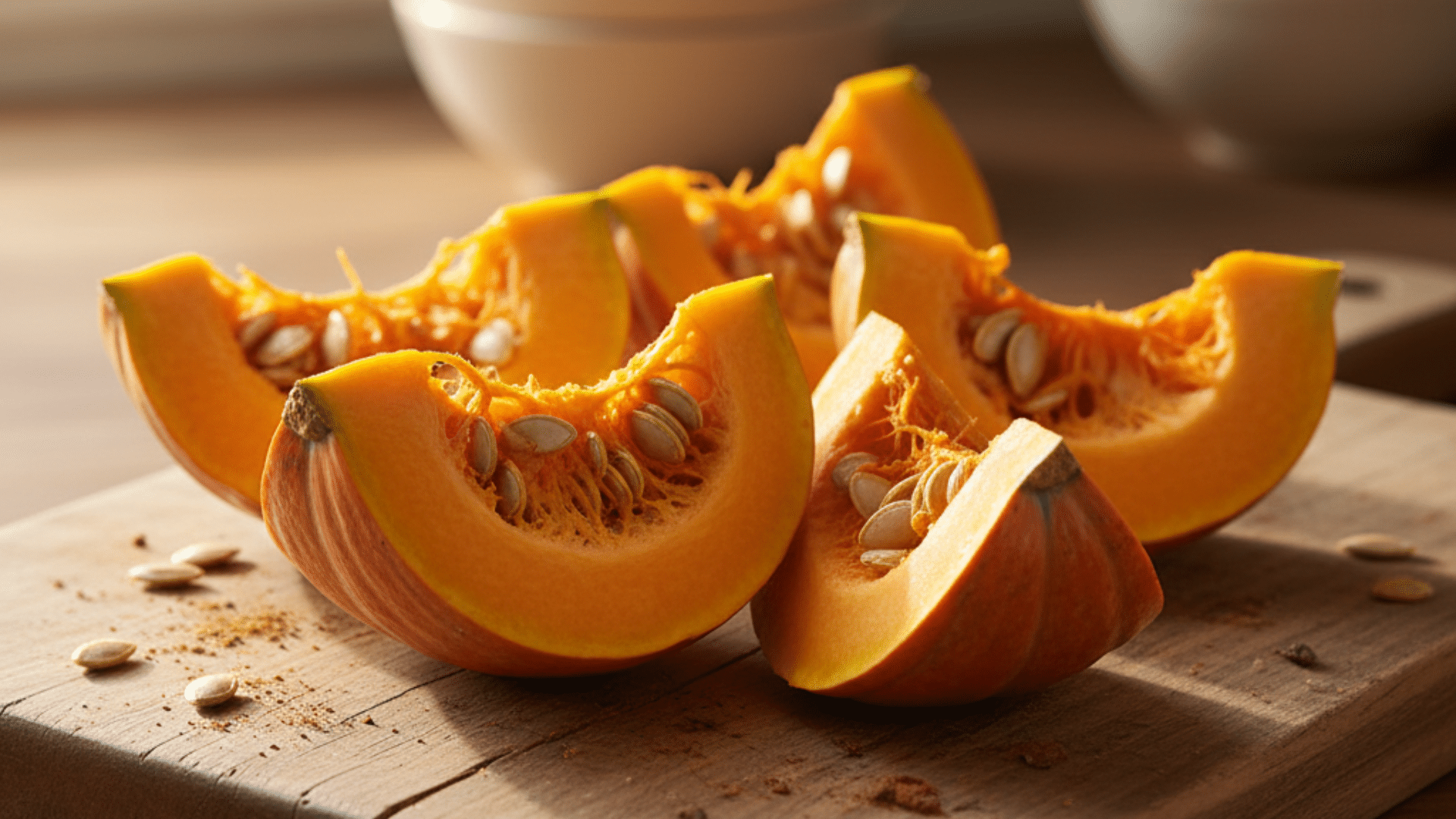
Pumpkin is naturally low in calories but packed with healthy carbs, fiber, and nutrients like vitamin A. Its soft texture makes it perfect for soups, smoothies, and baking.
Because pumpkin is mostly water, it’s filling without adding many calories, making it a great high-volume food for weight goals.
Approx. ~34 kcal & ~8.1 g carbs /100 g.
2. Sweet Potatoes
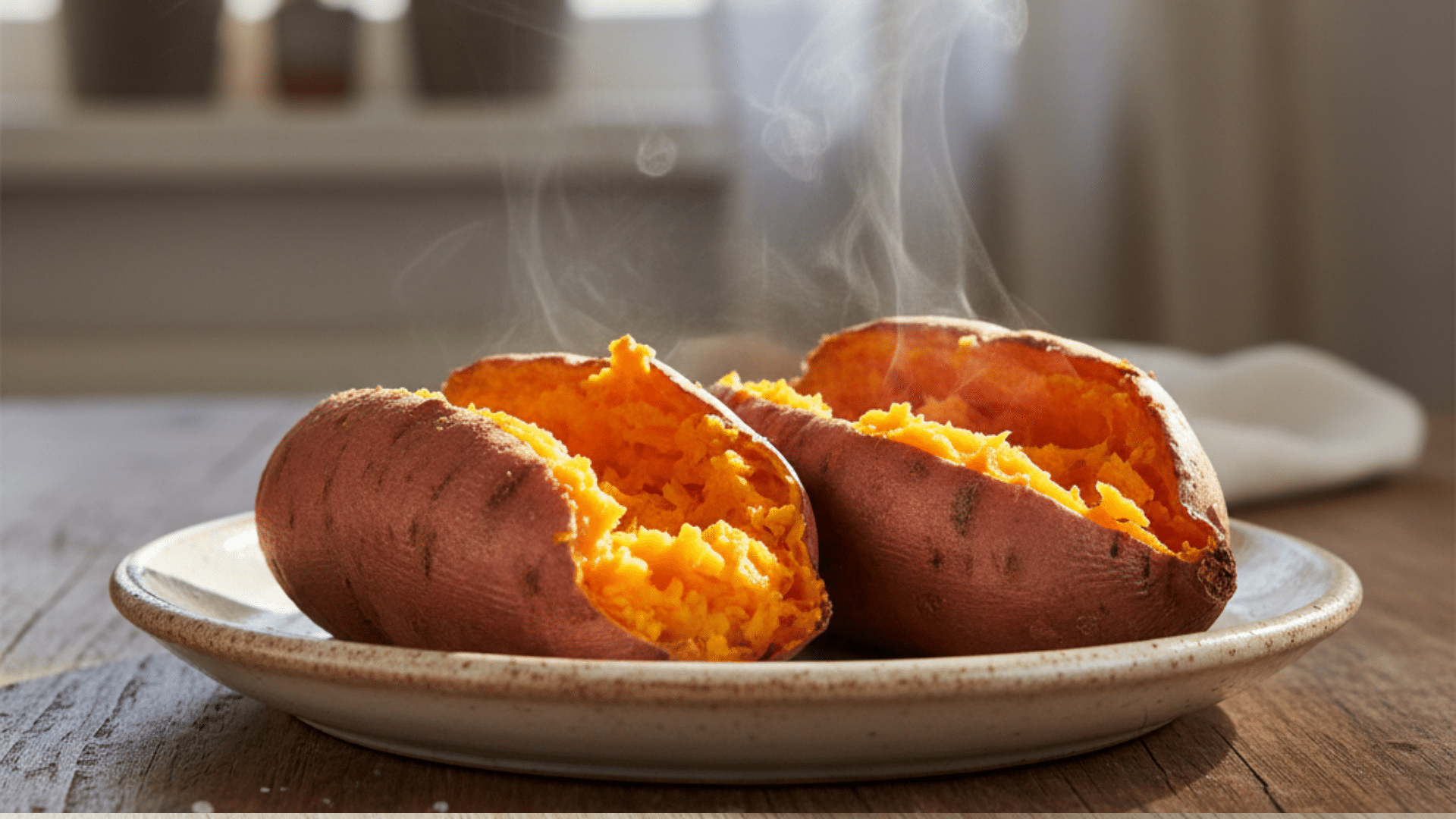
Sweet potatoes deliver healthy carbs, natural sweetness, and plenty of fiber while staying low in calories when baked or steamed. They provide essential nutrients, such as vitamin A, which supports eye and skin health.
Their slow-digesting carbs keep you satisfied and energized throughout the day. Because they taste sweet on their own, you don’t need added sugar to enjoy them.
Approx. ~90 kcal & ~20.7 g carbs /100 g.
3. Oats
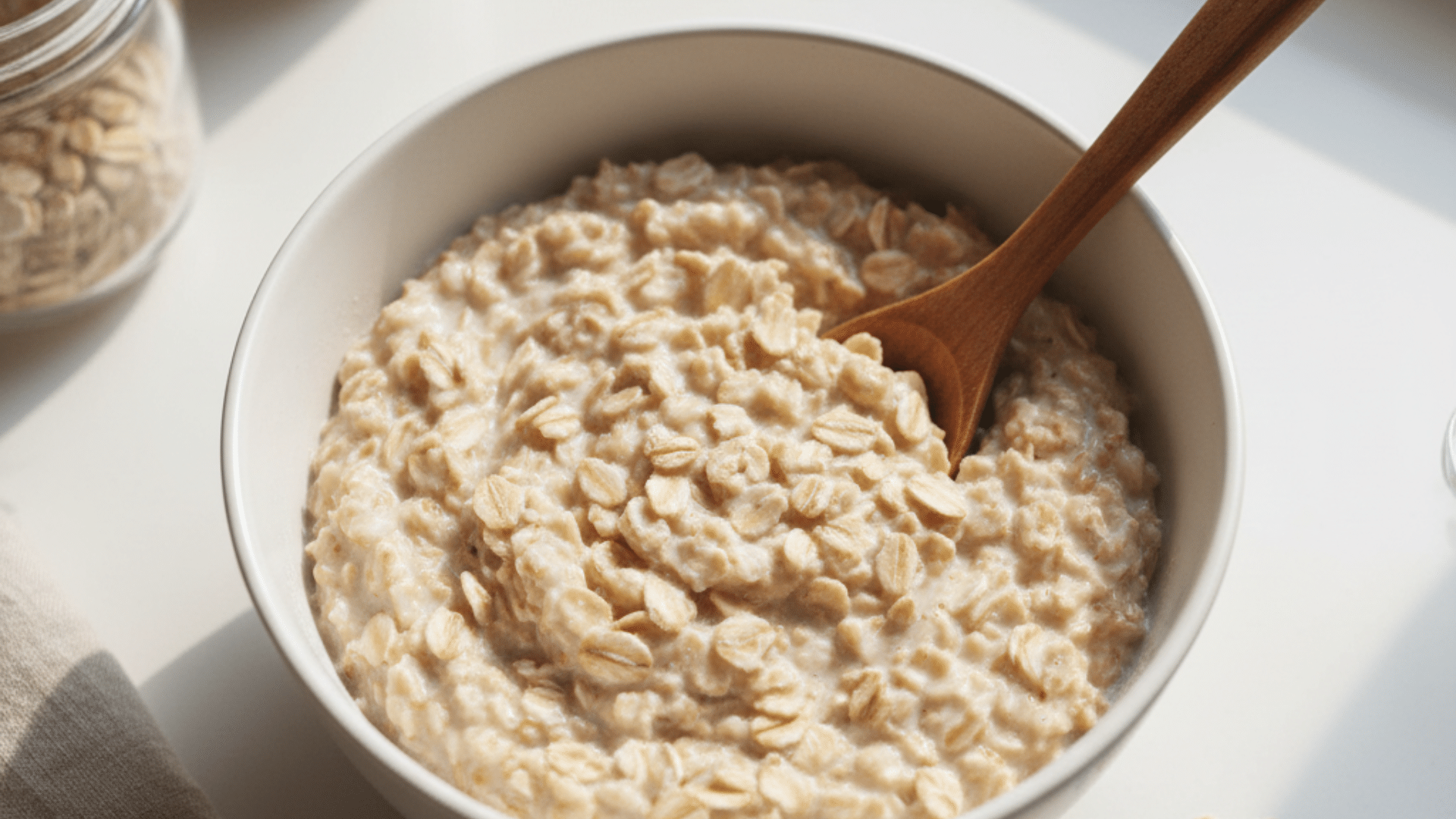
Oats are packed with complex carbs that digest slowly, giving you long-lasting energy without spiking your blood sugar. They’re filling but low in calories when prepared, making them perfect for weight management.
Oats also contain beta-glucan, a type of fiber that supports heart health and keeps hunger under control. They work well in oatmeal, smoothies, and homemade snacks.
Approx.~389 kcal & ~67 g carbs /100 g
4. Bananas
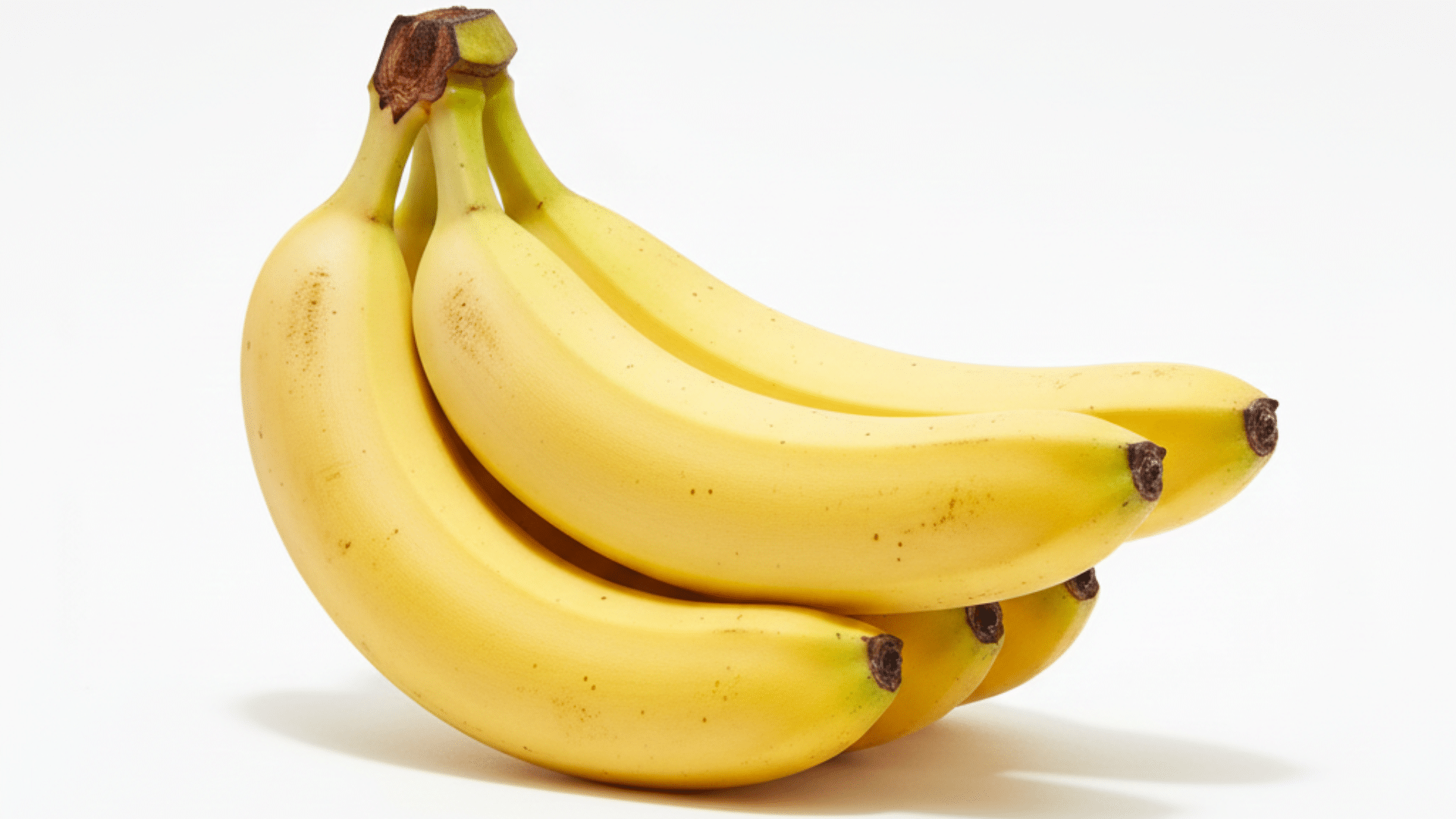
Bananas are one of the easiest high-carb, low-calorie foods to grab when you need quick energy. Their natural sugars fuel your body without weighing you down, making them a favorite for athletes and busy people.
They also contain potassium, which helps with muscle function and hydration. Their soft texture makes them perfect for smoothies, snacks, or breakfast bowls.
Approx. ~89 kcal & ~23 g carbs /100g
5. Apples
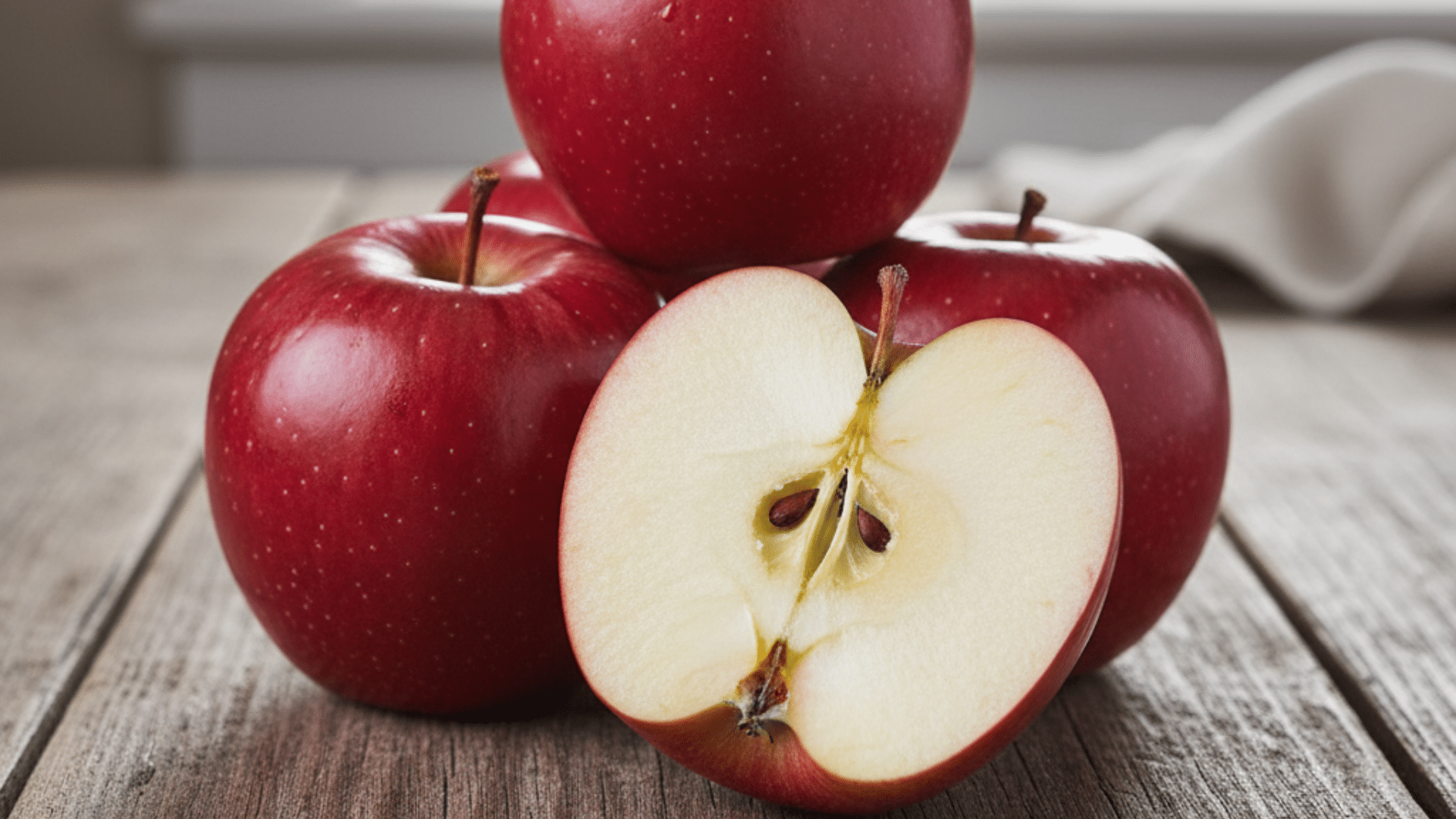
Apples offer a great mix of natural carbs and fiber while keeping calories low. Their crunchiness makes them extra satisfying, and the fiber helps control hunger between meals.
Apples digest slowly, providing steady energy rather than a quick spike. They’re easy to carry, slice, and add to salads, snacks, and desserts.
Approx.~52 kcal & ~14 g carbs /100g
6. Berries (Strawberries, Blueberries, Raspberries)
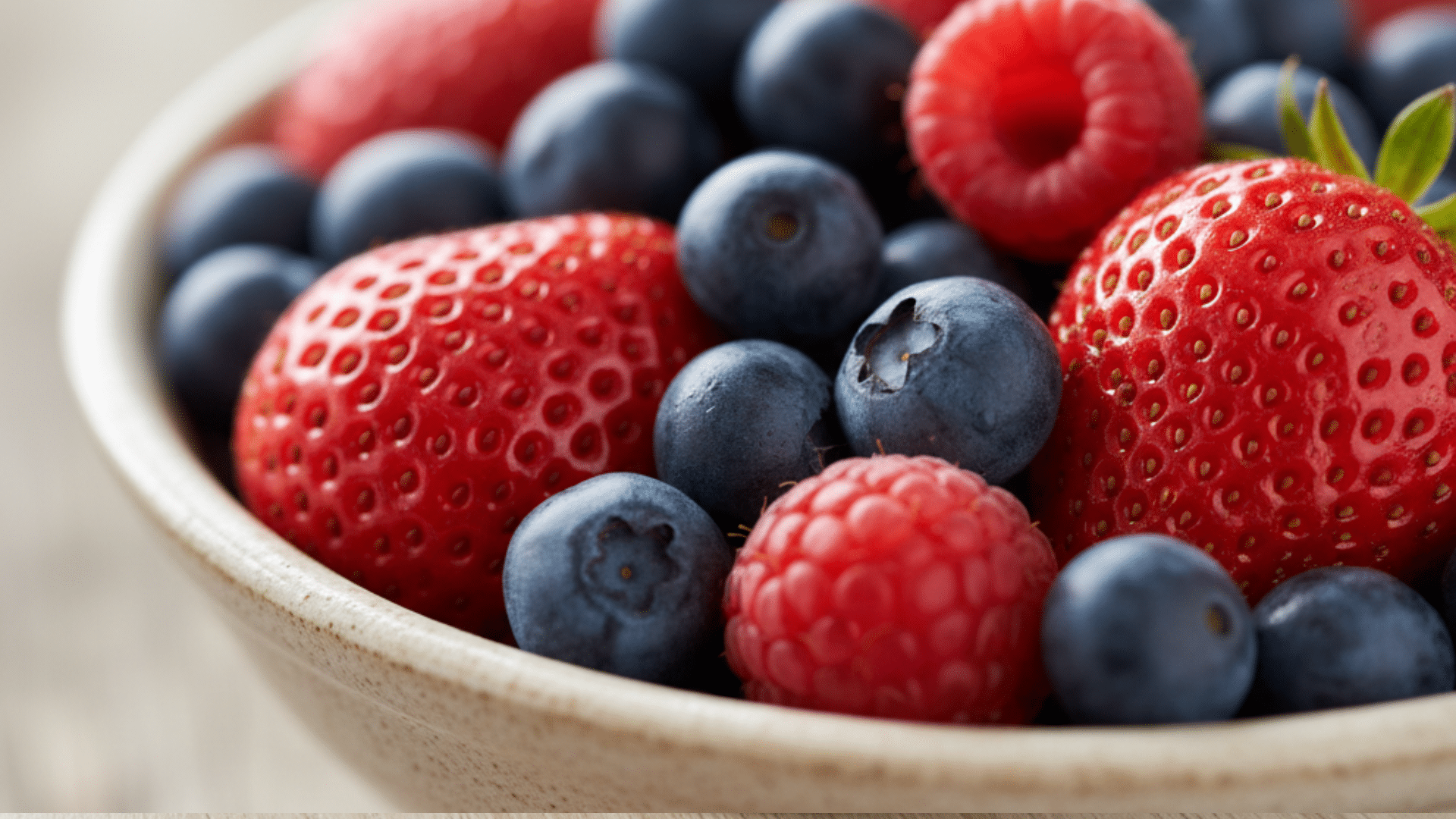
Berries are incredibly nutrient-dense, giving you healthy carbs, antioxidants, and fiber with very few calories. Their natural sweetness makes them feel like a treat while still fitting easily into low-calorie meals.
Berries also support brain health and digestion. They’re perfect for topping yogurt, oatmeal, or eating fresh.
Approx. 32–57 kcal & 8–14 g carbs /100 g (varies by berry)
7. Couscous
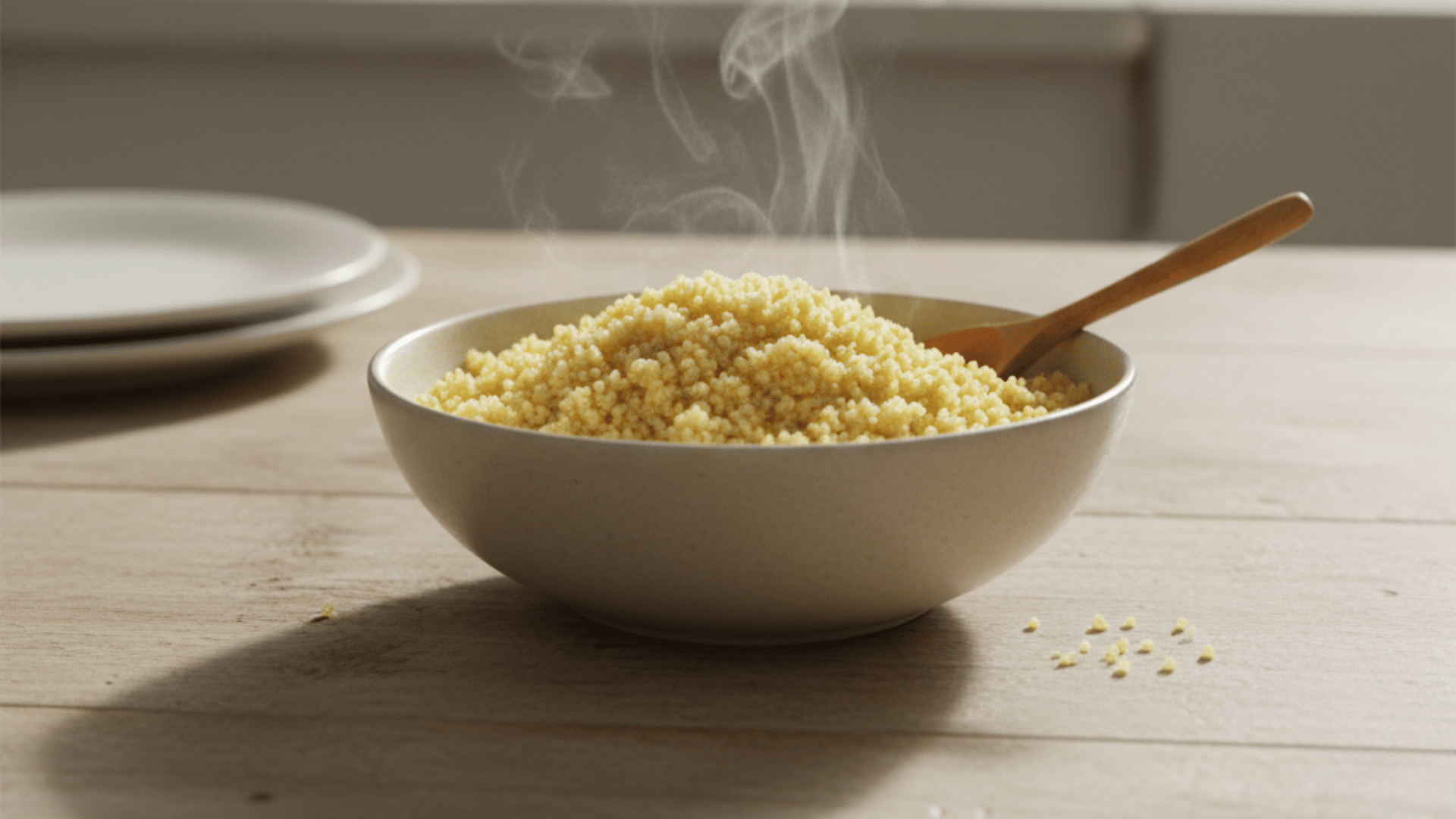
Couscous is a light, fluffy grain that’s naturally high in carbs but low in calories when eaten in regular portions. It cooks in just a few minutes and absorbs flavors well.
Because it’s not dense like heavier grains, it keeps meals filling without adding too many calories. It’s excellent in salads and bowl-style meals.
Approx.~112 kcal & ~23 g Carbs/ 100 g
8. Corn
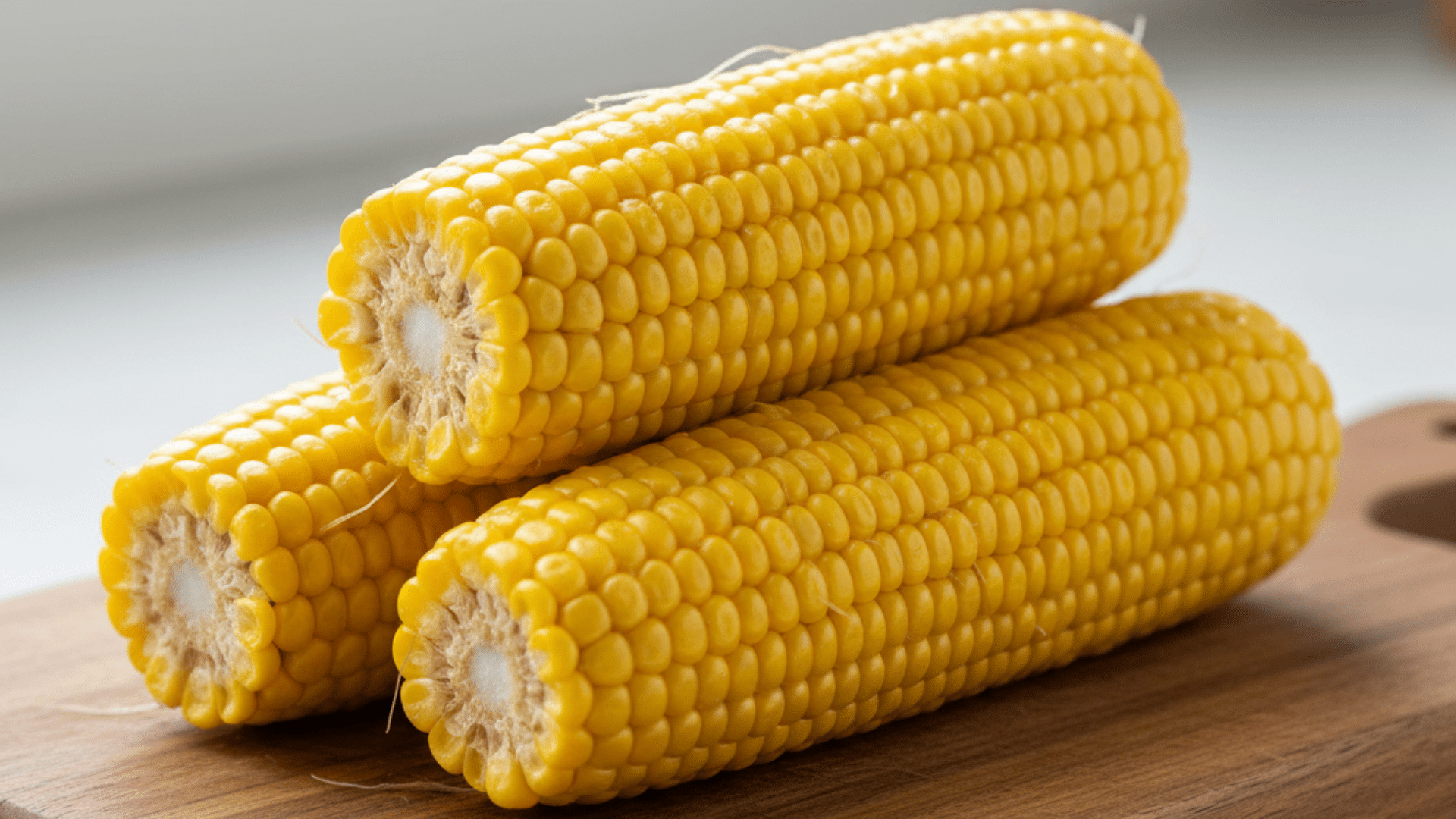
Corn offers natural sweetness and a good amount of carbs while remaining low in calories when not buttered. It contains fiber and antioxidants that support digestion and overall health.
Corn is filling and can be added to salads, soups, and grain bowls for extra volume and flavor. It’s also kid-friendly because of its mild taste.
Approx. ~86 kcal & ~18.7 g carbs /100 g
9. Popcorn (Air-Popped)
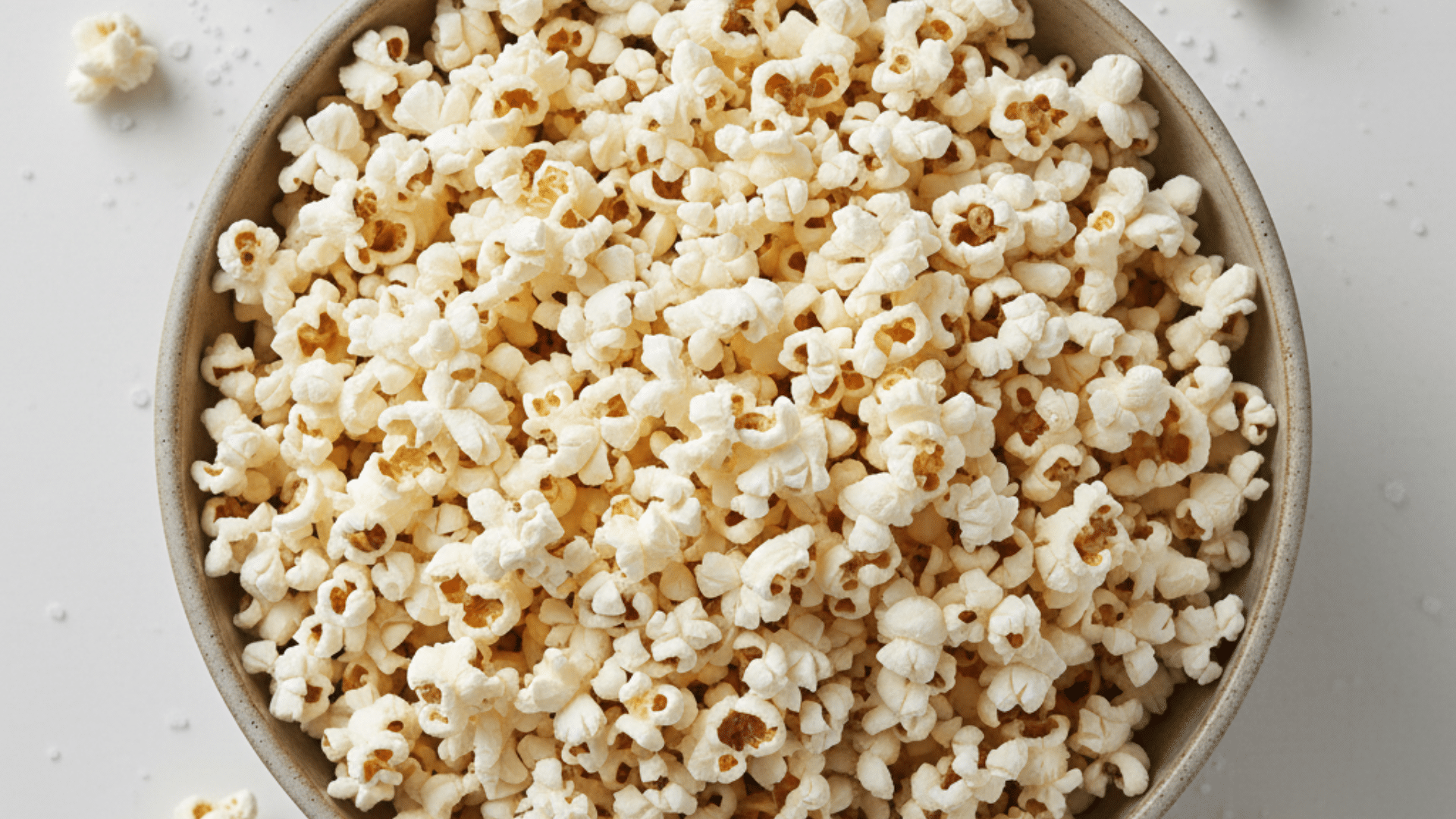
Air-popped popcorn is one of the best high-volume, low-calorie carb snacks you can eat. It feels like a big snack because of its fluffy texture, but it actually contains very few calories per cup.
Popcorn’s fiber helps you stay full longer. It’s perfect for movie nights or quick snacks without the heaviness of chips.
Approx. ~380 kcal & ~77 g carb/100g
10. Beans (Black Beans, Kidney Beans, Chickpeas)
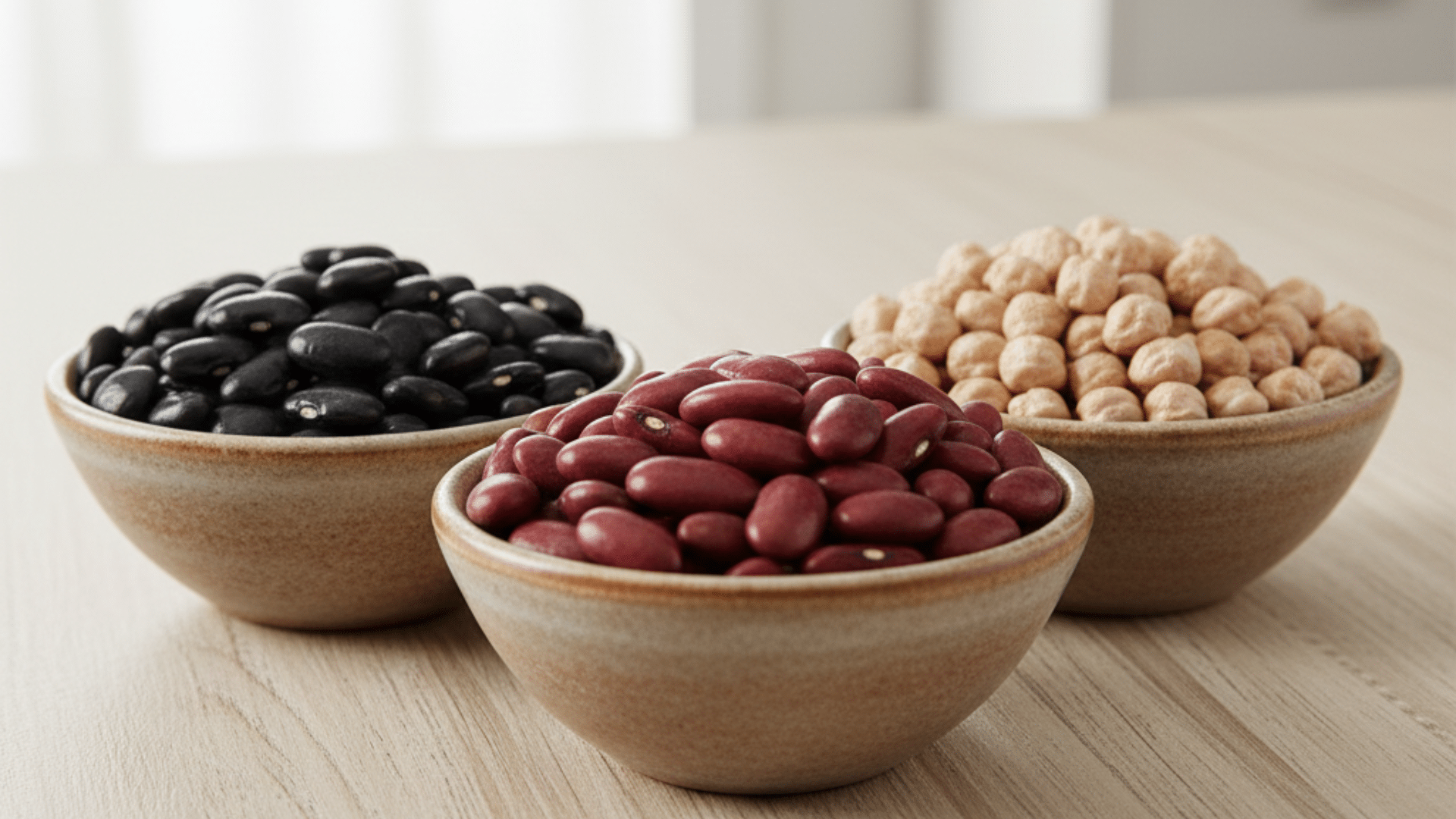
Beans contain a healthy mix of carbs, fiber, and plant protein, making them filling without being high in calories. They support digestion and help stabilize blood sugar levels.
Beans are incredibly versatile; use them in soups, salads, tacos, bowls, or dips. Their slow-digesting carbs give you long-lasting energy.
Approx. ~127 kcal & ~23 g carb/100 g
11. Lentils
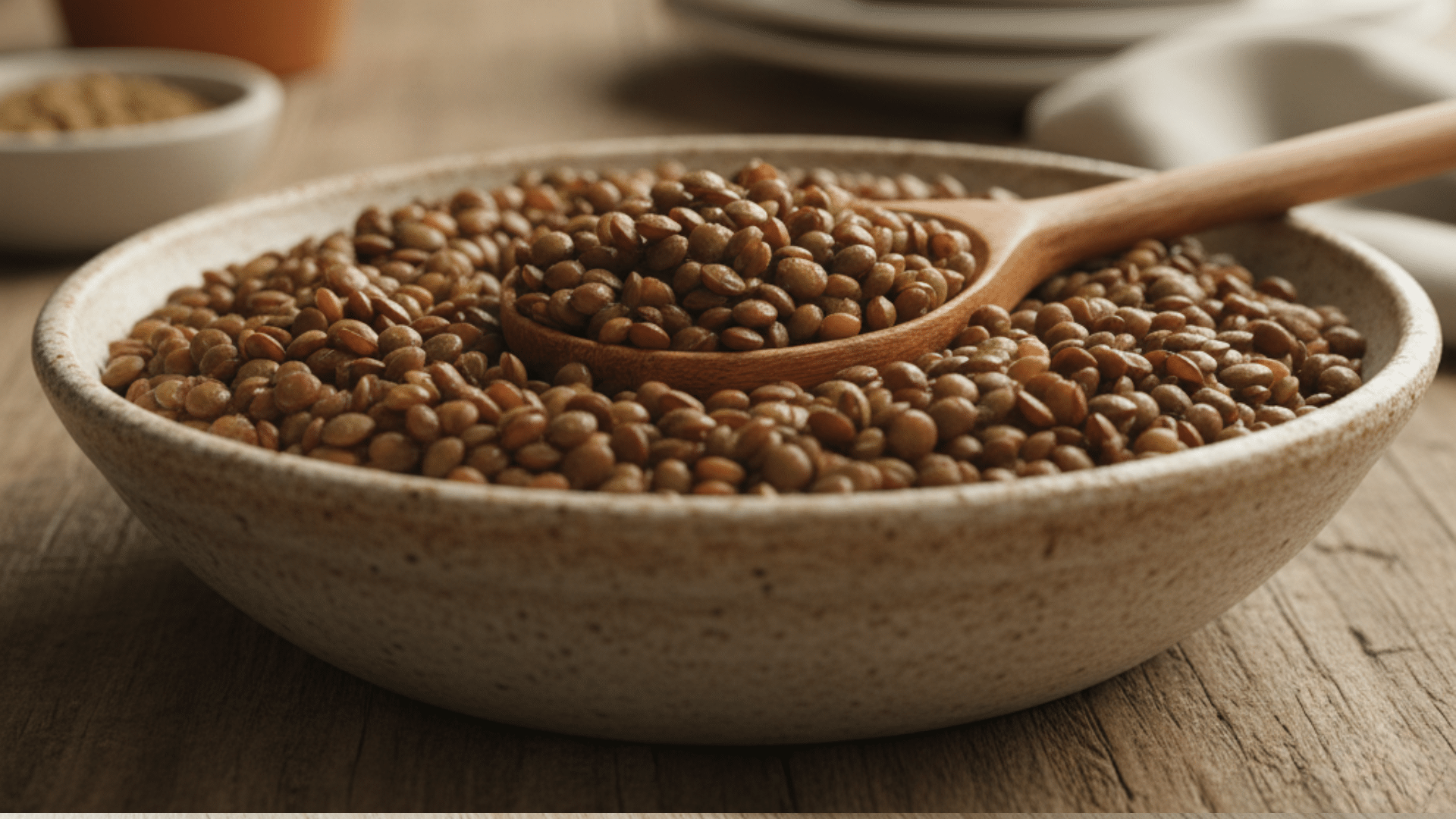
Lentils are high in carbs but naturally low in calories, loaded with fiber and protein. They help keep you full and support steady energy throughout the day.
Lentils cook faster than most beans, making them convenient for meals. They work great in curries, soups, and warm salads.
Approx. ~114 kcal & ~19.5 g carbs /100 g.
12. Barley
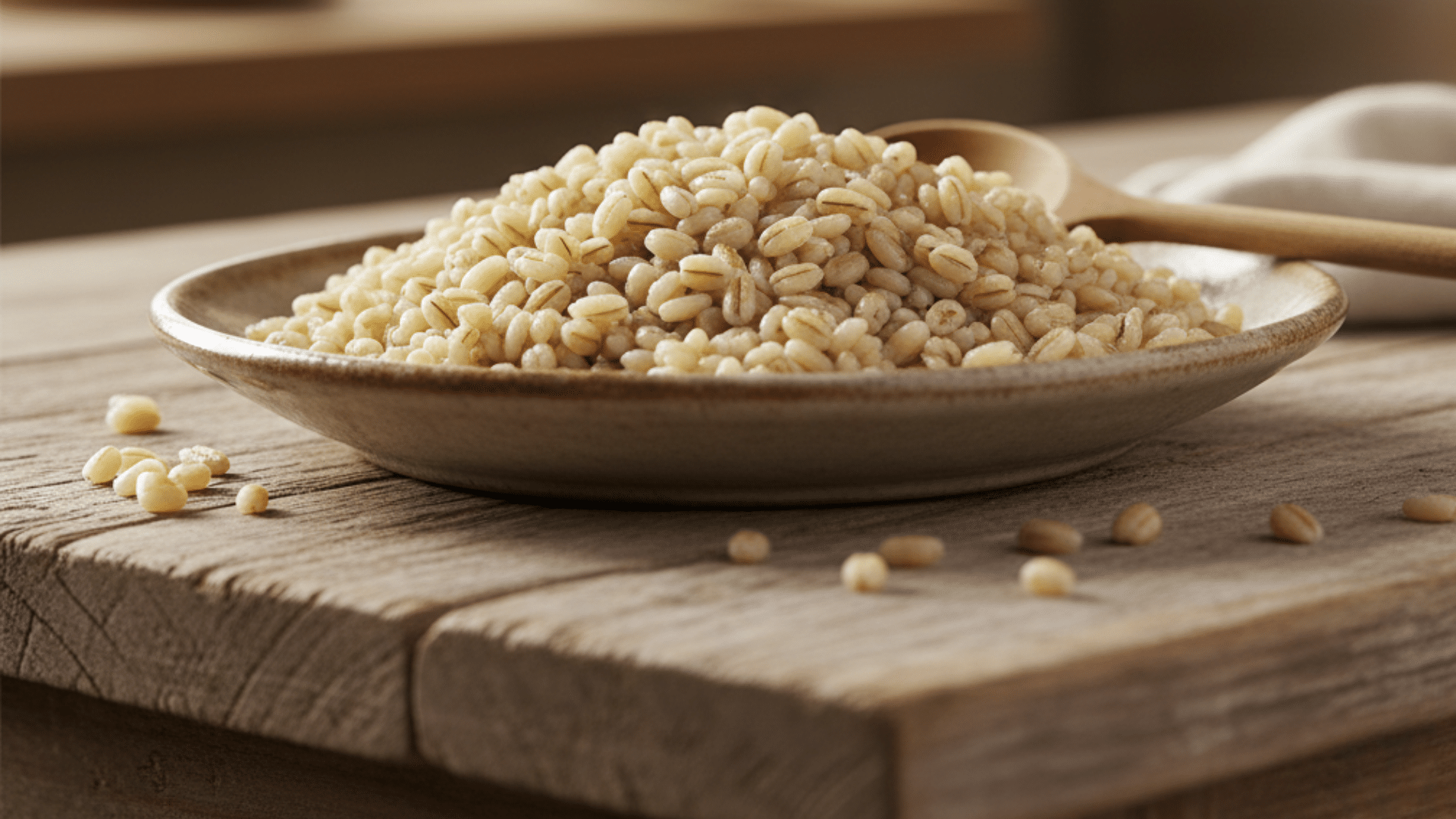
Barley is a hearty whole grain full of complex carbs and fiber, yet low in calories per serving. It absorbs flavors well and adds bulk to meals, helping keep hunger away.
Barley supports digestion and steady energy. It’s perfect in soups, stews, and grain bowls.
Approx. ~123 kcal & ~28.2 g carbs /100 g.
13. Quinoa
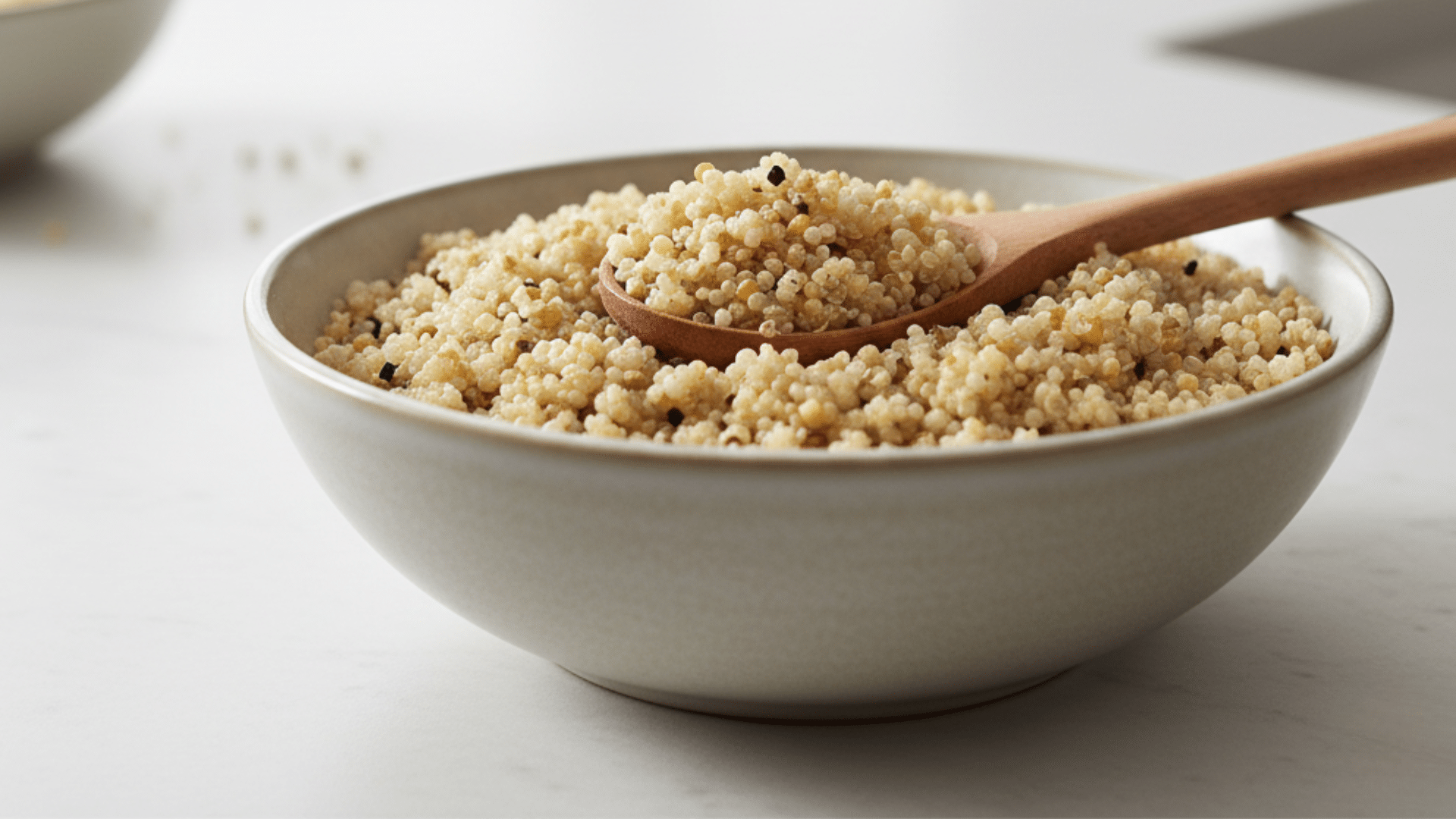
Quinoa is rich in carbs, fiber, and a bit of protein, making it both filling and nutritious. It stays low in calories when served in proper portions.
Its fluffy texture makes it easy to pair with vegetables or lean proteins. It’s excellent for meal-prep bowls and salads.
Approx. ~120 kcal & ~21.3 g carbs /100 g
14. Whole-Wheat Bread
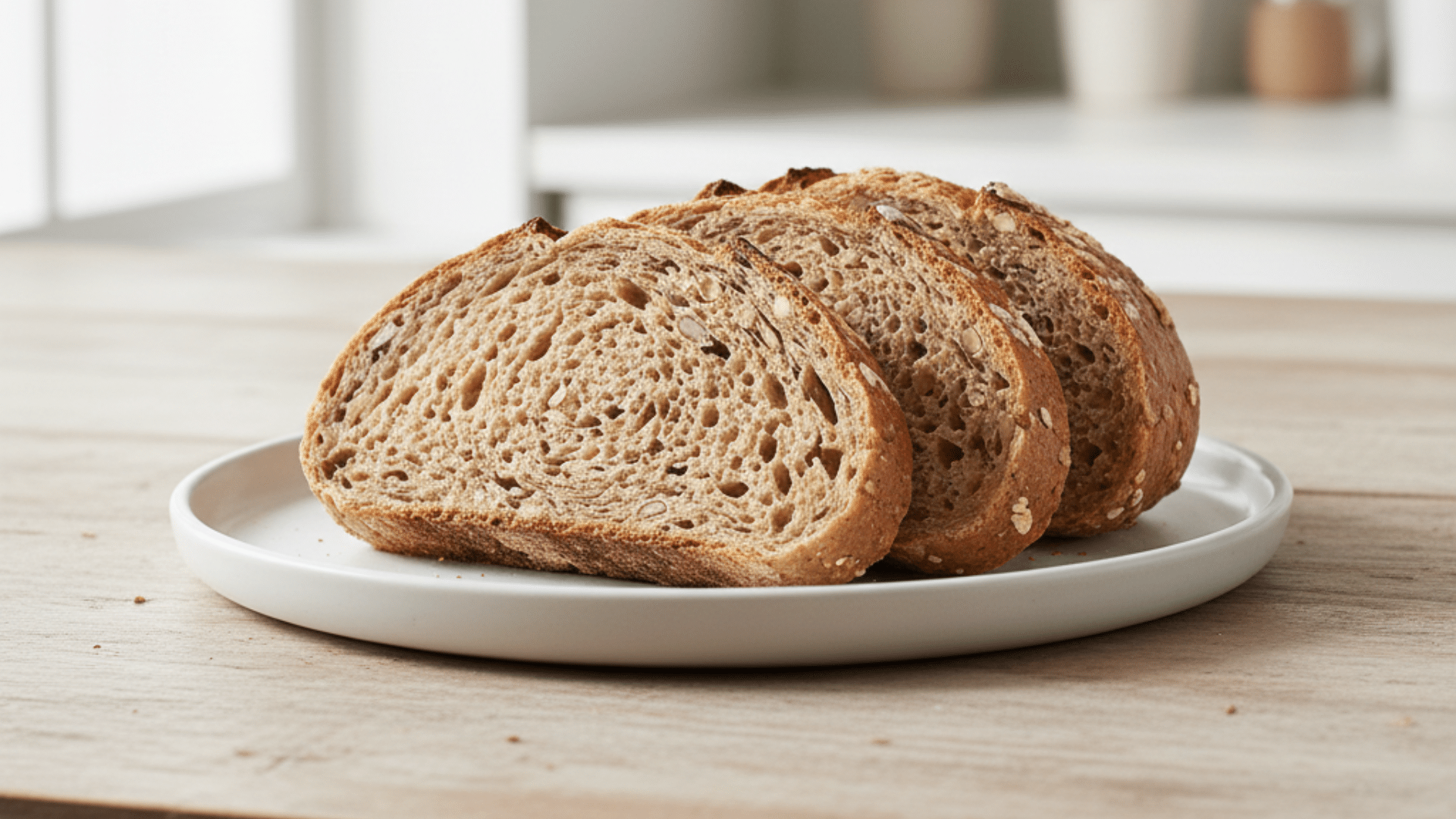
Whole-wheat bread provides complex carbs that digest slowly and help keep you satisfied. It’s low in calories per slice and far healthier than thick or sugary bread options.
It’s great for lighter meals like sandwiches, toast, or breakfast sides. Choosing thin-sliced versions makes it even lower in calories.
Approx. ~252 kcal & ~42.7 g carbs /100 g
15. Pears
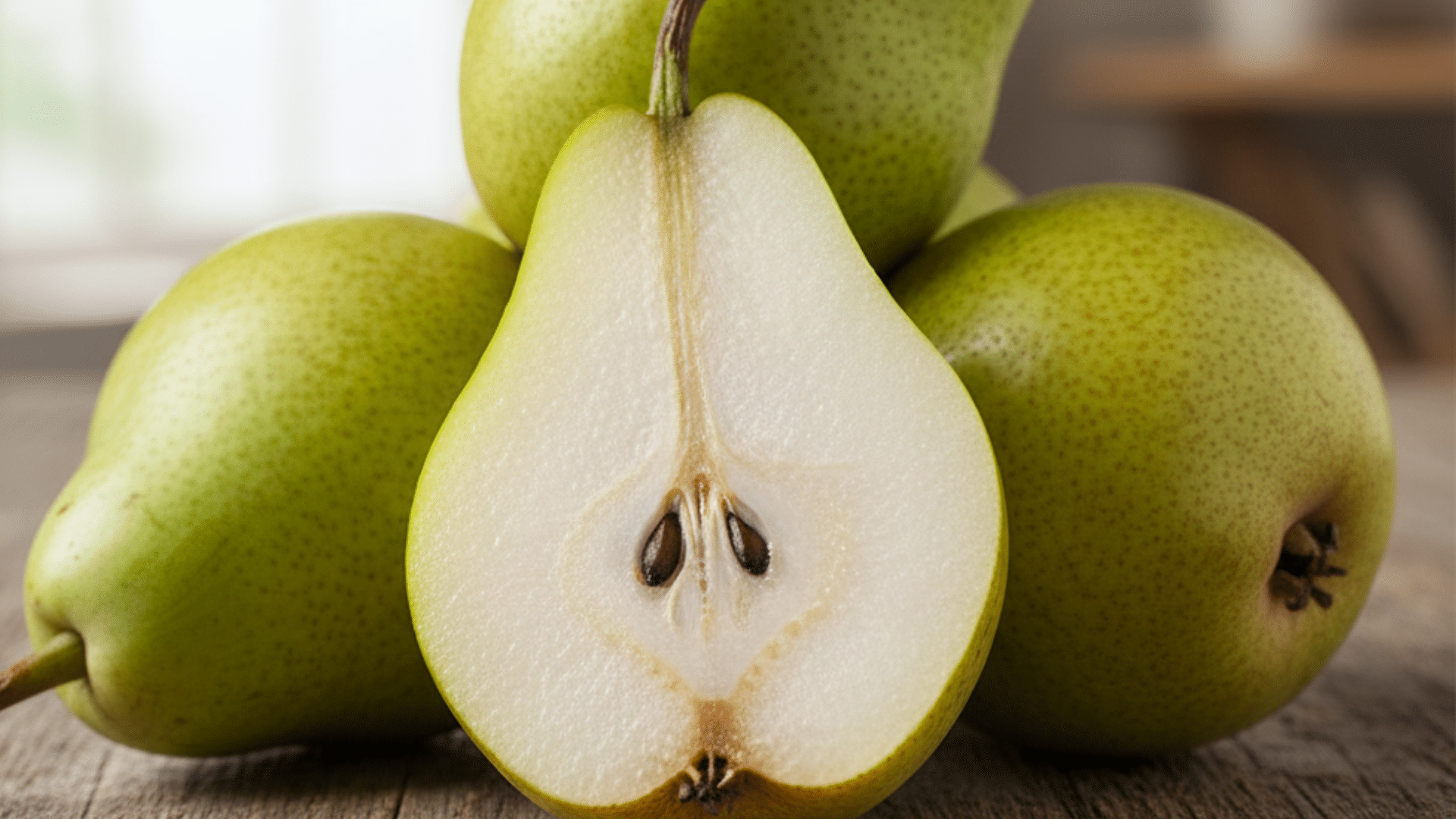
Pears are juicy fruits packed with natural carbs and fiber, yet low in calories. Their soft texture makes them perfect for snacks or desserts.
They support digestion and release energy slowly. Pears are also refreshing and hydrating.
Approx. ~57 kcal & ~15 g carbs /100g”
16. Mangos
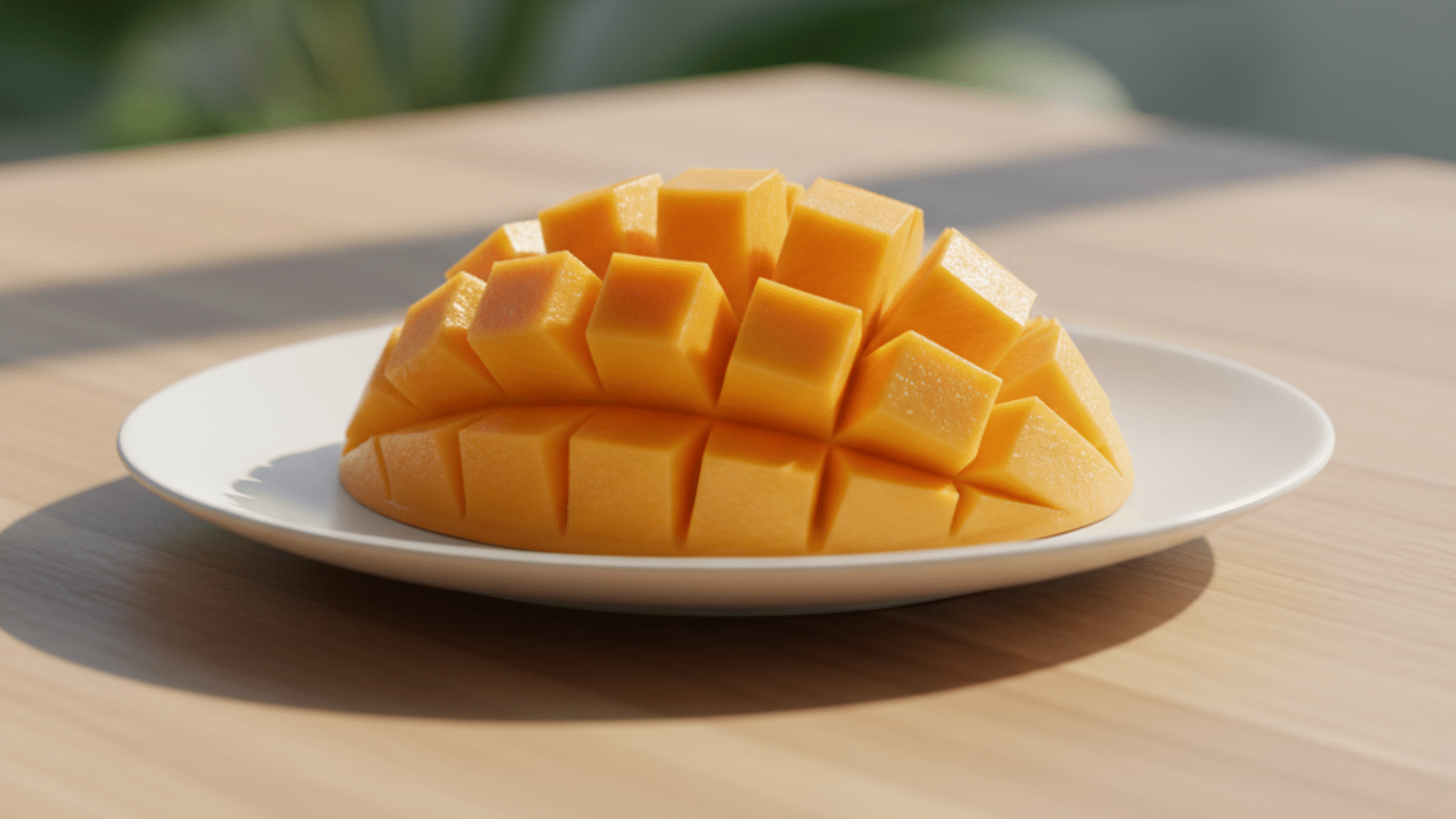
Mangos are rich in natural carbs and flavor but low in calories when eaten in moderate portions. They provide vitamin C and antioxidants that help support your immune system.
Their natural sweetness makes them perfect for smoothies or fruit bowls. They also pair well with yogurt and salads.
Approx. 60 kcal & 15 g carbs/100 g.
17. Carrots
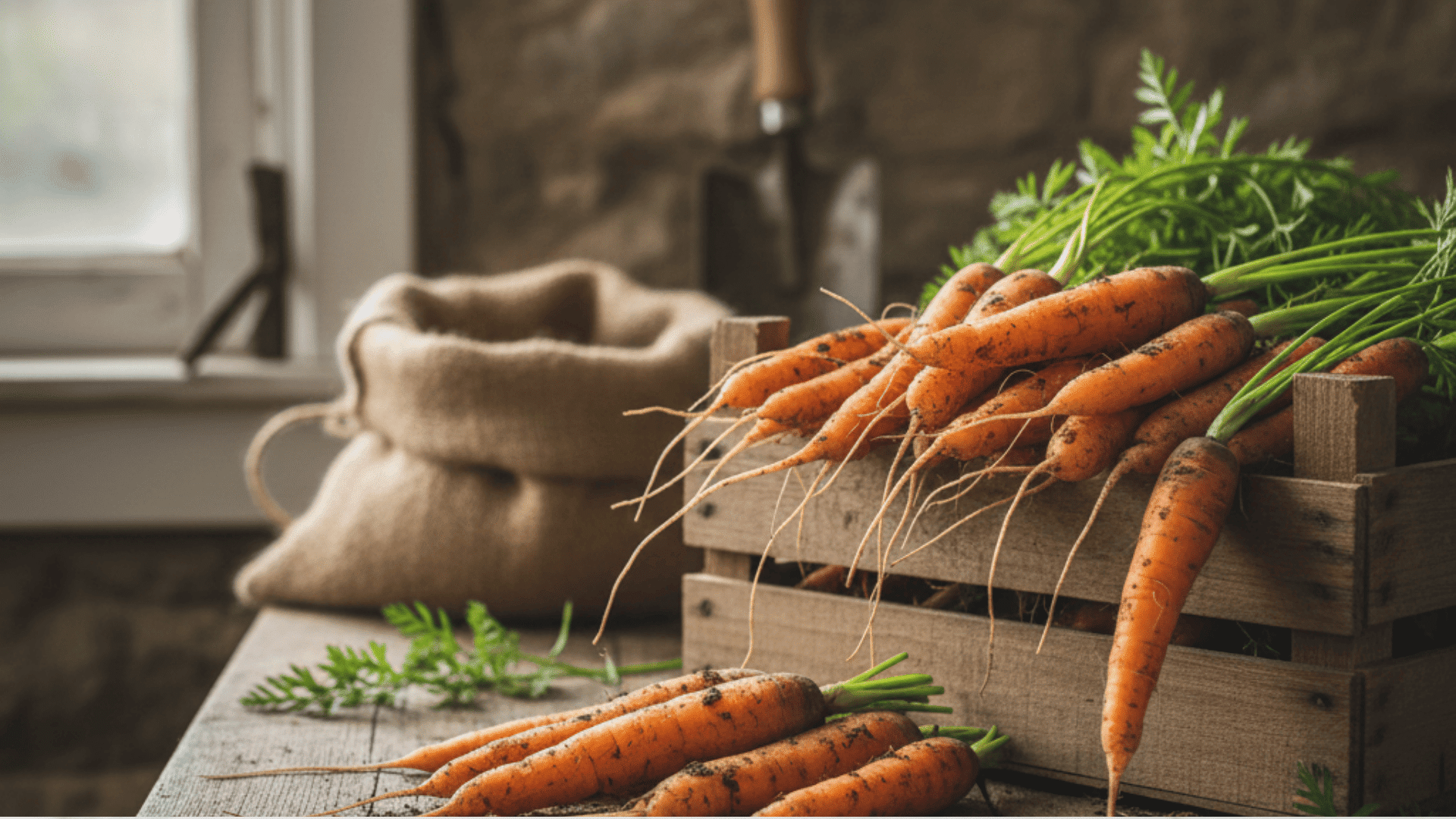
Carrots contain natural carbs but remain very low in calories. Their crunchy texture makes them great for snacking and extremely satisfying.
Carrots also support healthy skin and eyes due to their beta-carotene content. They’re easy to add to salads, stir-fries, and roasting dishes.
Approx. ~41 kcal & ~10 g carb/100 g
18. Beets
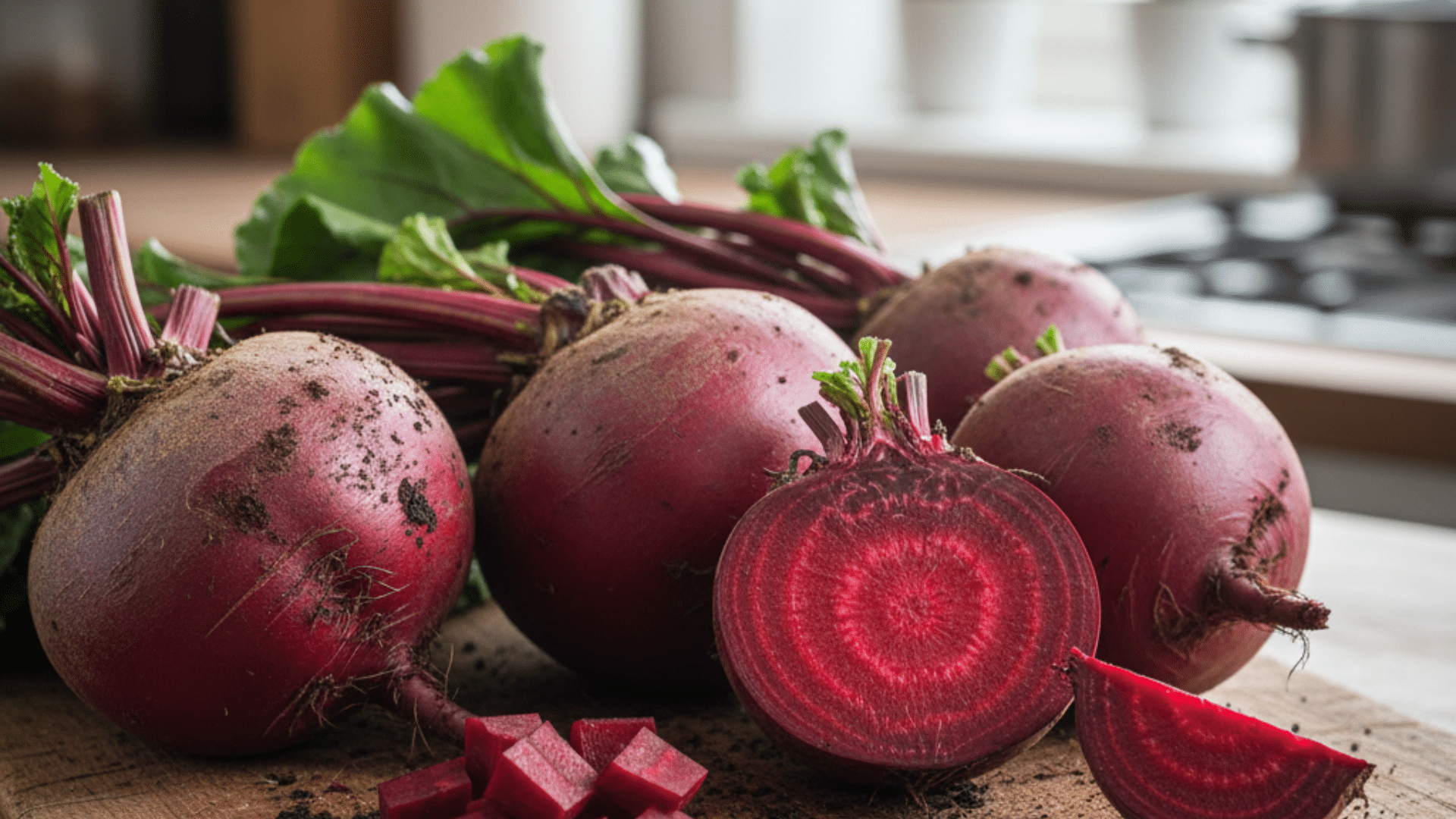
Beets provide steady, slow-digesting carbs and a naturally sweet flavor while staying low in calories. They help support blood flow and energy thanks to natural nitrates.
Beets can be roasted, boiled, or blended into smoothies. Their bright color makes meals look vibrant and fun.
Approx. ~44 kcal & ~10 g carb/100 g)
19. Butternut Squash

Butternut squash offers healthy carbs and a creamy texture without adding many calories. It tastes slightly sweet, making it great for soups, roasted dishes, or mash-style sides.
It’s rich in vitamins that support immune health. It’s perfect for cozy meals that feel both hearty and light.
Approx. ~40 kcal & ~10.5 g carbs /100 g.
20. Green Peas
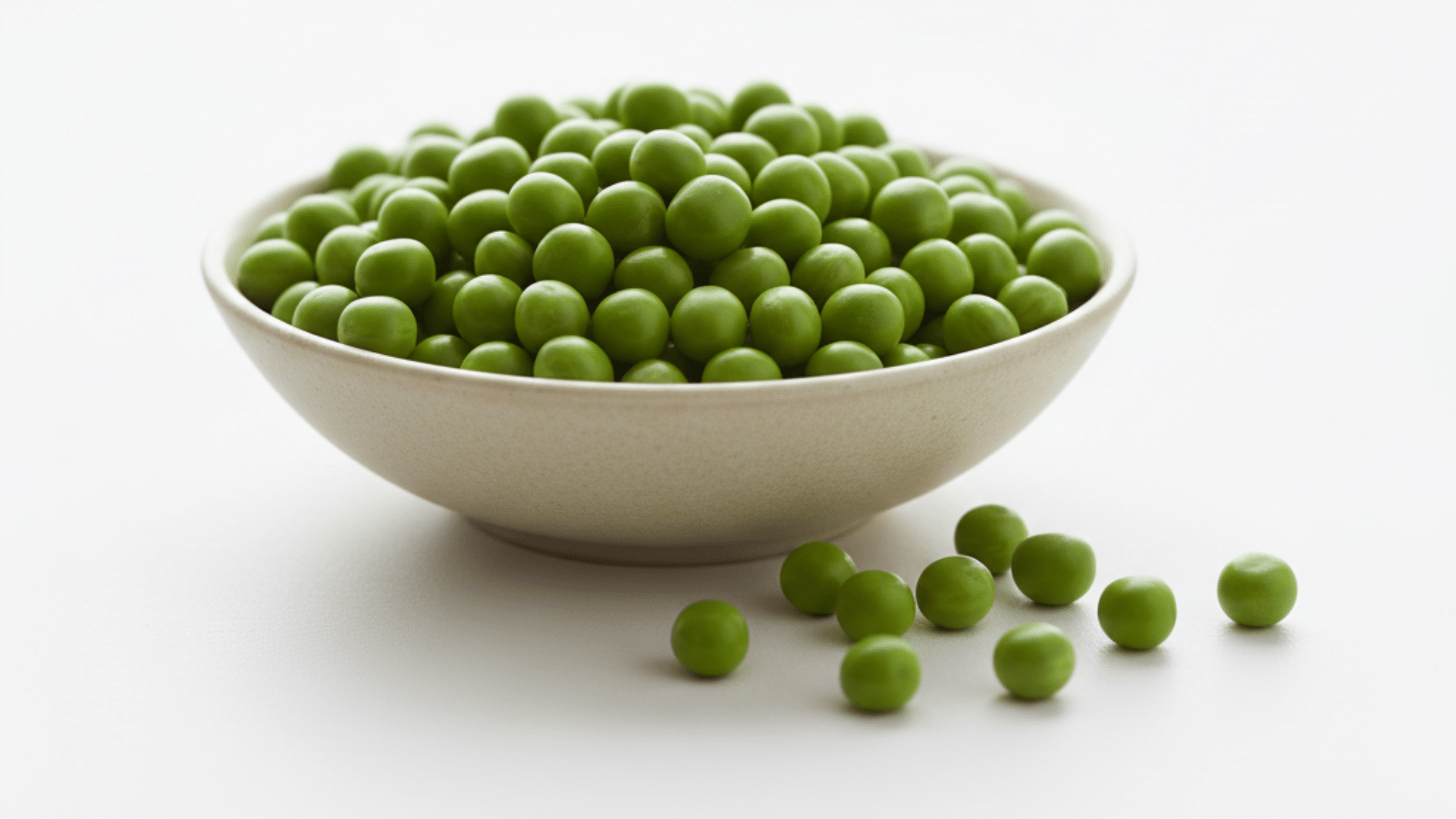
Green peas deliver carbs, fiber, and a bit of plant protein, all while staying low in calories. Their natural sweetness makes them easy to add to meals.
They help keep you full without making you feel heavy. Peas are perfect in pastas, soups, stir-fries, or bowls.
Approx. ~84 kcal & ~15.6 g carbs /100 g.
21. White Rice
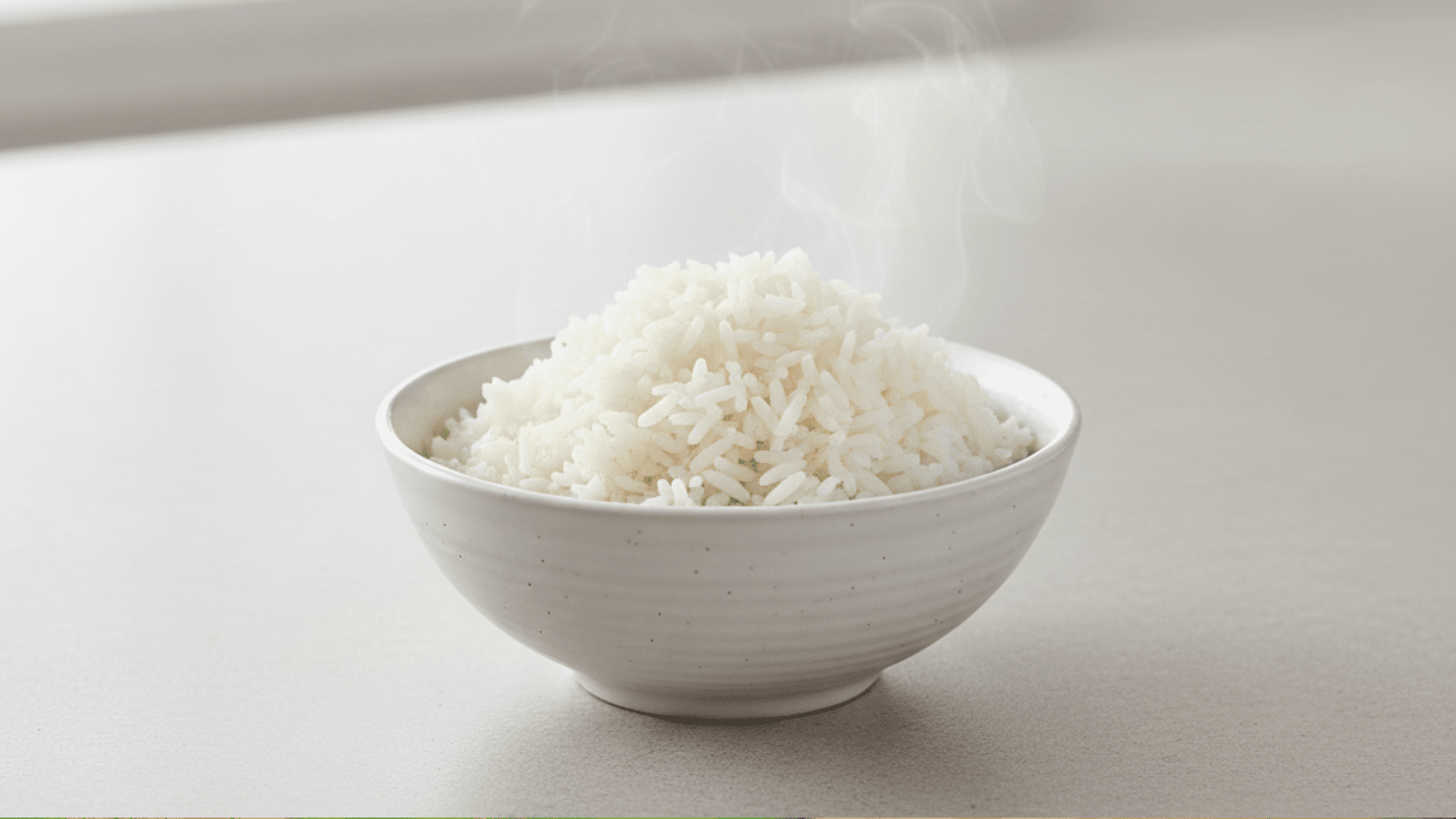
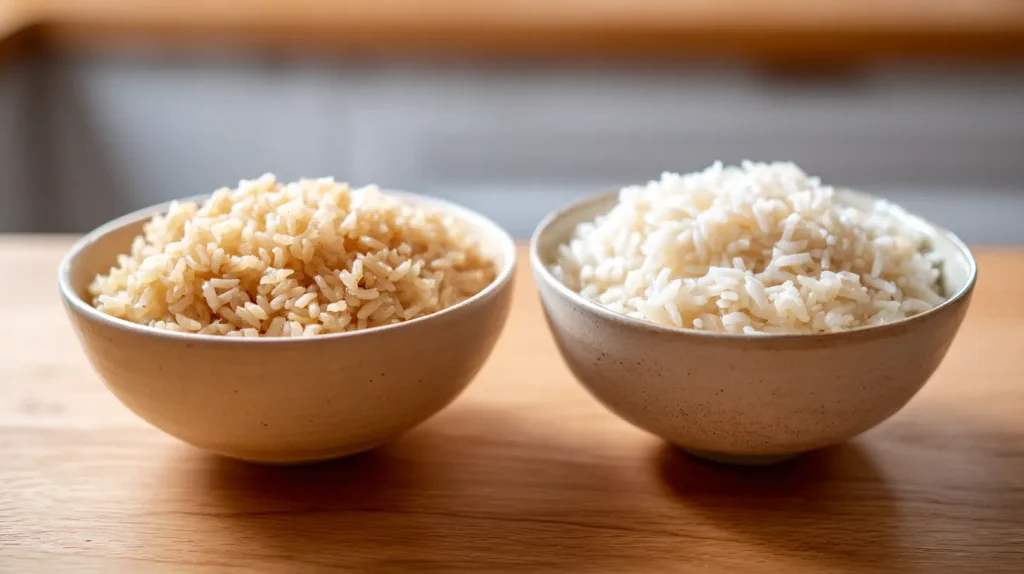
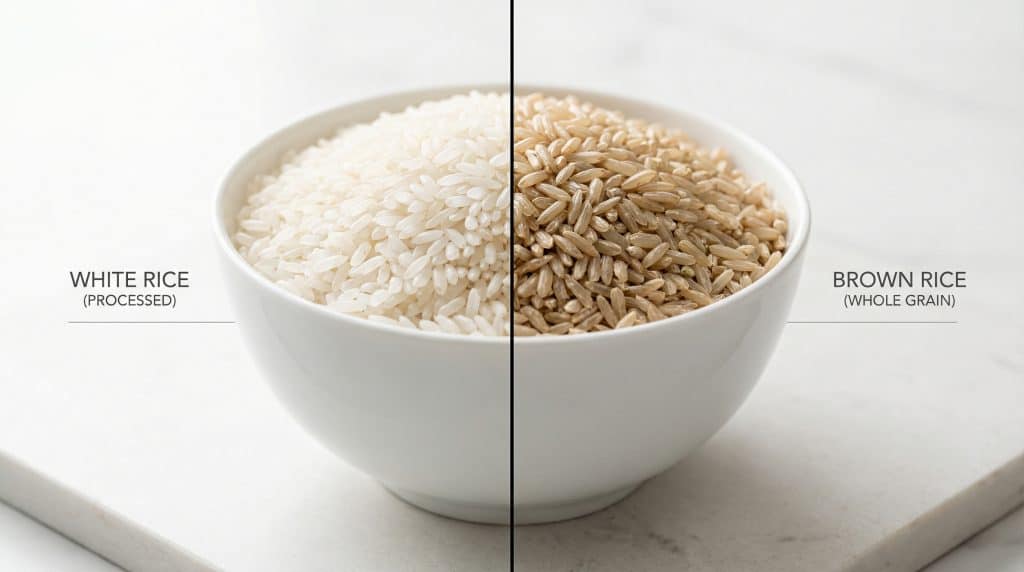
White rice is a simple, budget-friendly carb that’s easy to digest and quick to pair with veggies, beans, eggs, or lean protein.
It’s convenient for meal prep because it reheats well and works in bowls, stir-fries, and soups.
Approx.~130 kcal & ~28.17 g carbs /100 g.
22. Spaghetti
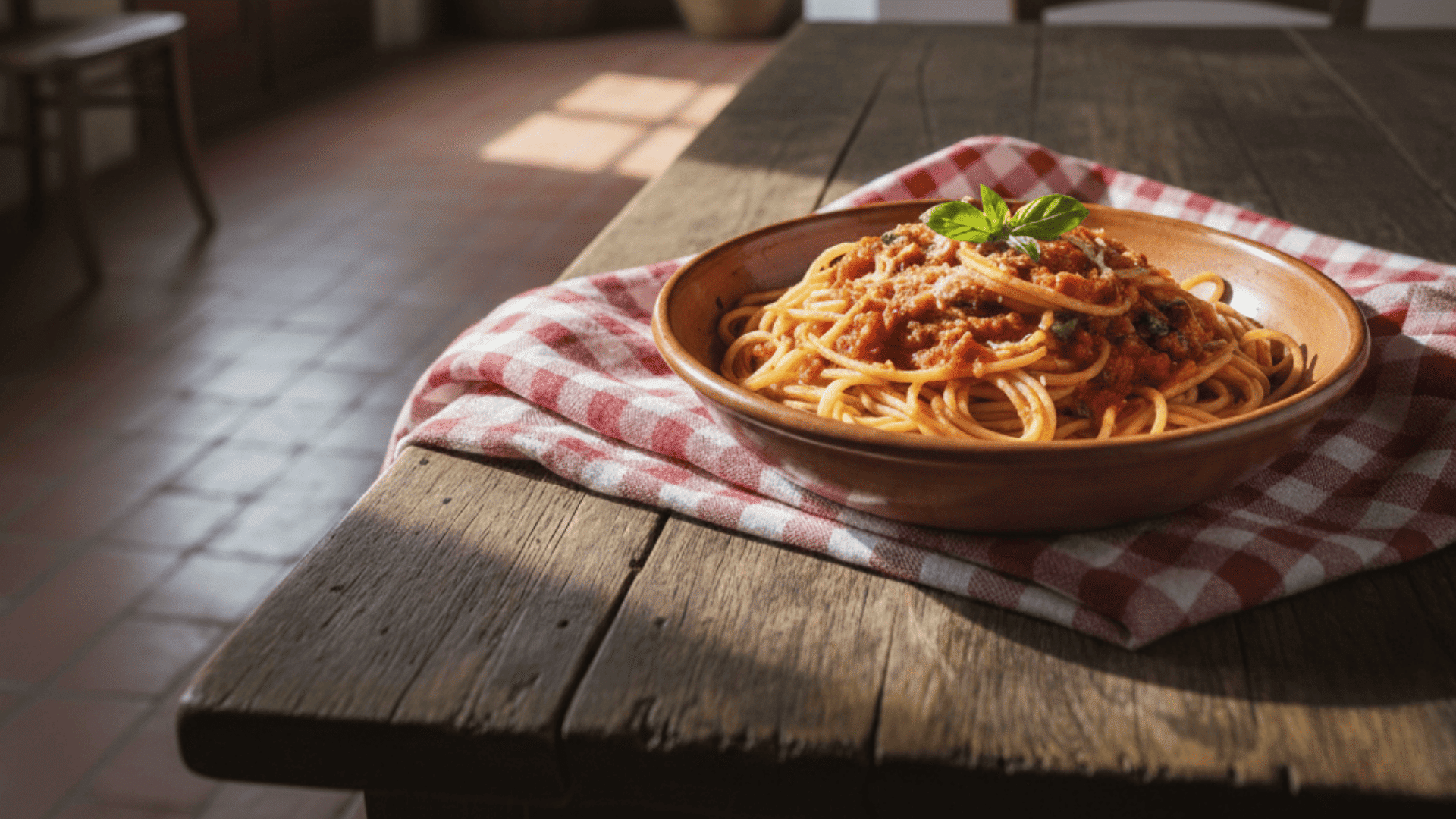
Cooked spaghetti gives you a solid carb boost without being heavy, and it’s easy to bulk up with low-cal add-ons like tomatoes, onions, mushrooms, or spinach.
If you keep sauces lighter (tomato-based, veggie-heavy), it can fit nicely into lower-cal meals.
Approx. ~158 kcal & ~30.86 g carbs /100 g.
23. Pineapple
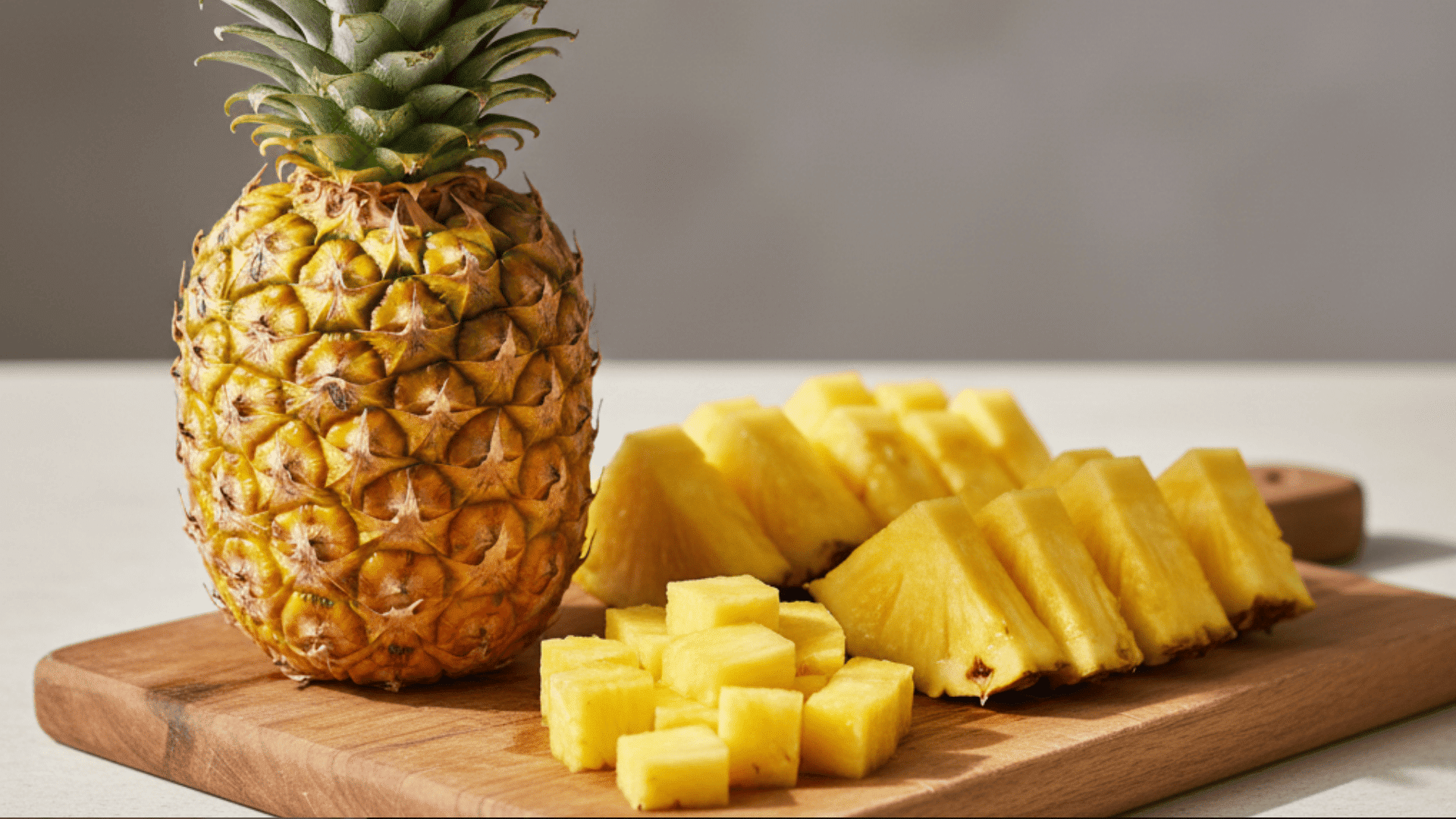
Pineapple is sweet, juicy, and naturally higher in carbs than many fruits, but still reasonably low in calories for its volume.
It’s great in smoothies, fruit bowls, yogurt, or even chopped into salsa for a fresh snack feel.
Approx. ~48 kcal & ~12.63 g carbs /100 g.
24. Watermelon
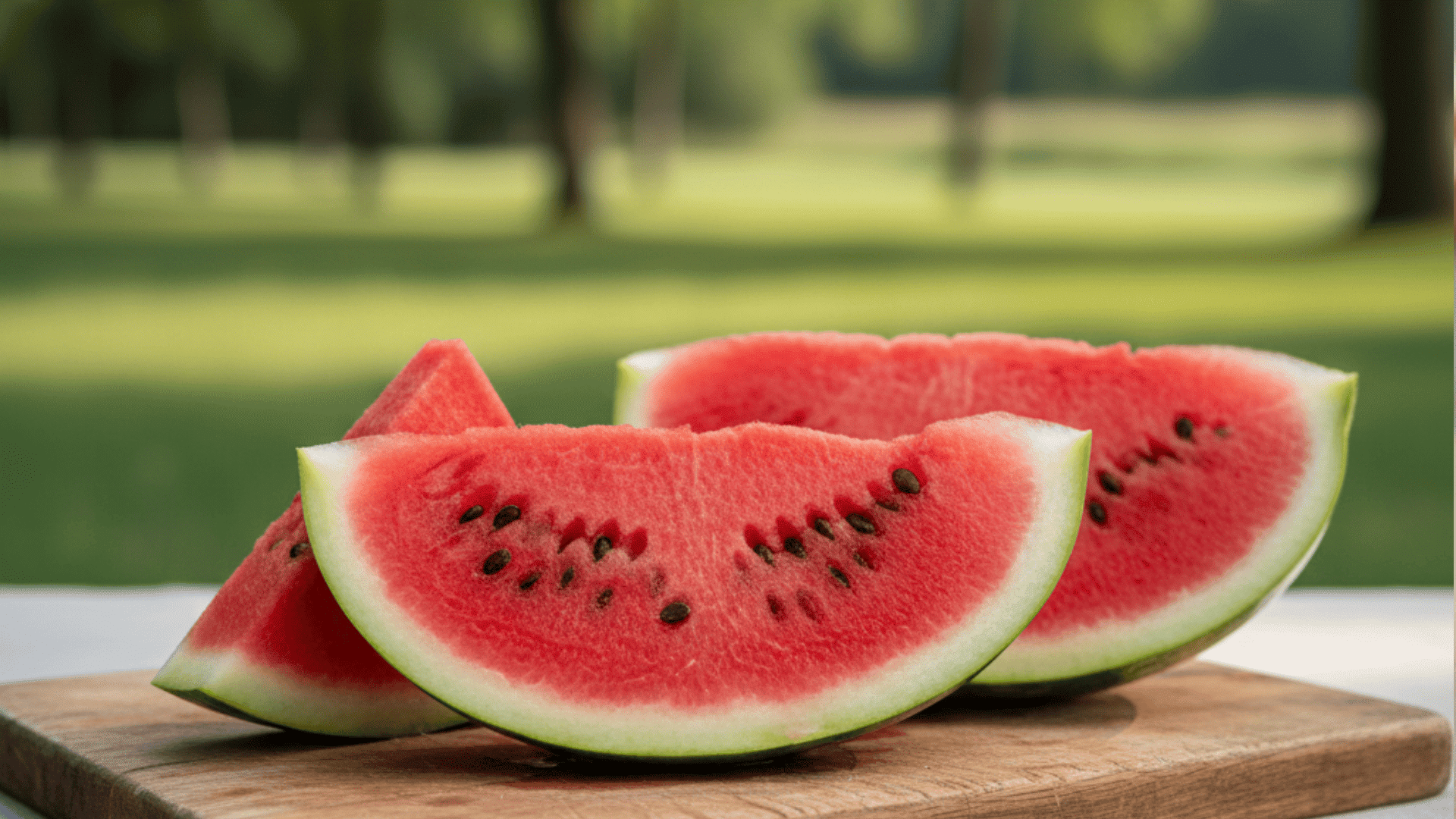
Watermelon is mostly water, so it feels like a big snack without many calories.
It still gives you carbs for quick energy, especially if you’re active or need something light and refreshing in hot weather.
Approx. ~30 kcal & ~7.55 g carbs /100 g.
25. Boiled Potatoes
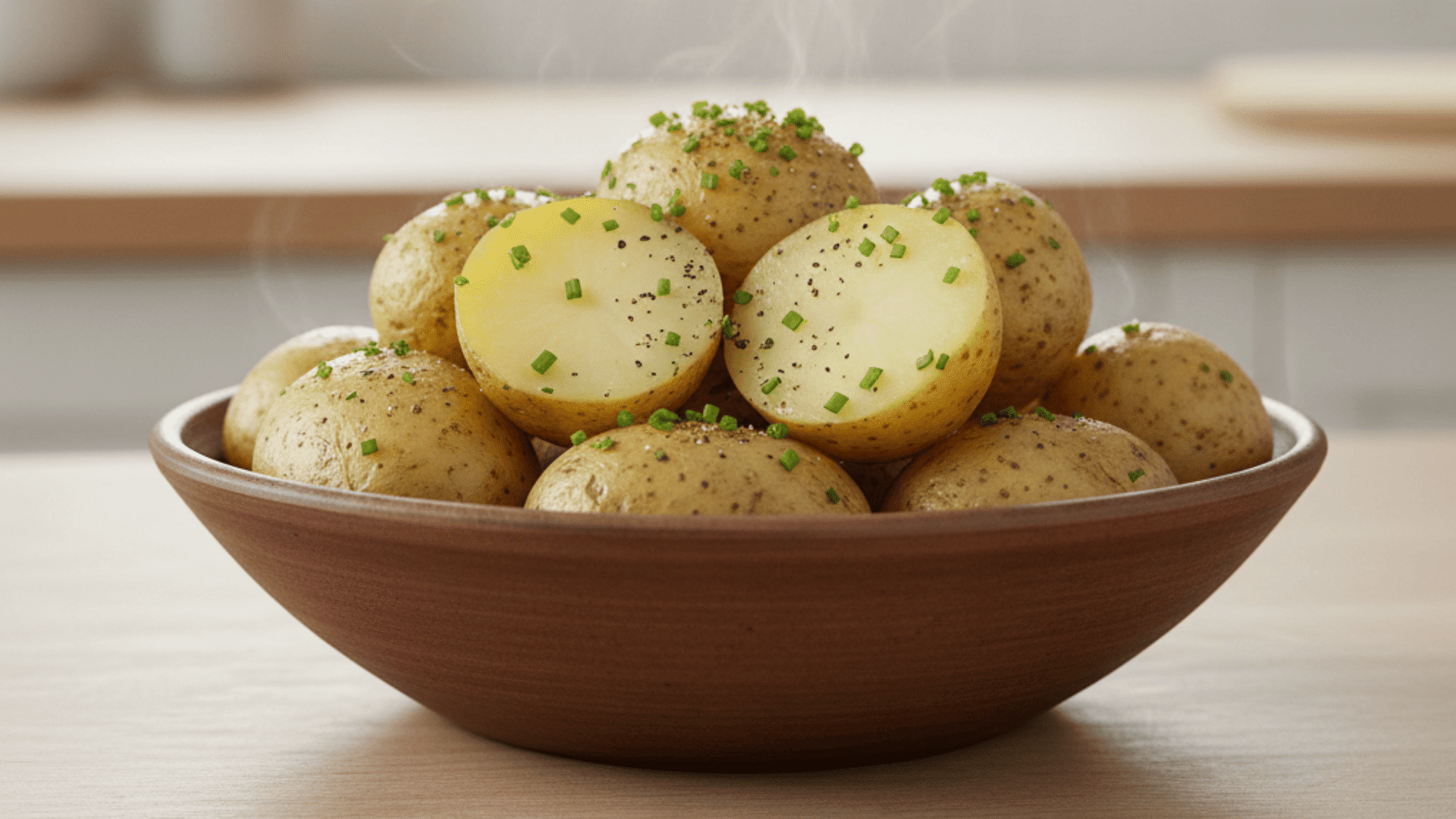
Boiled potatoes are filling, naturally low in fat, and give you steady carbs that work for lunch or dinner.
They’re easy to season with herbs, pepper, garlic, or a little yogurt-based dip to keep things lighter than butter-heavy options.
Approx. ~87 kcal & ~20 g carbs /100 g.
All nutrition values are approximate and based on 100 g cooked unless mentioned otherwise.
Simple, High-Carb, Low-Calorie Recipes to Try
If you’re wondering how to actually use these foods in real life, here are three easy recipes built from the list above.
They’re simple to prep, filling, and give you steady energy without piling on too many calories. Each one also comes with approximate calories and carbs, so you know what you’re eating.
1. Sweet Potato, Black Bean & Corn Bowl
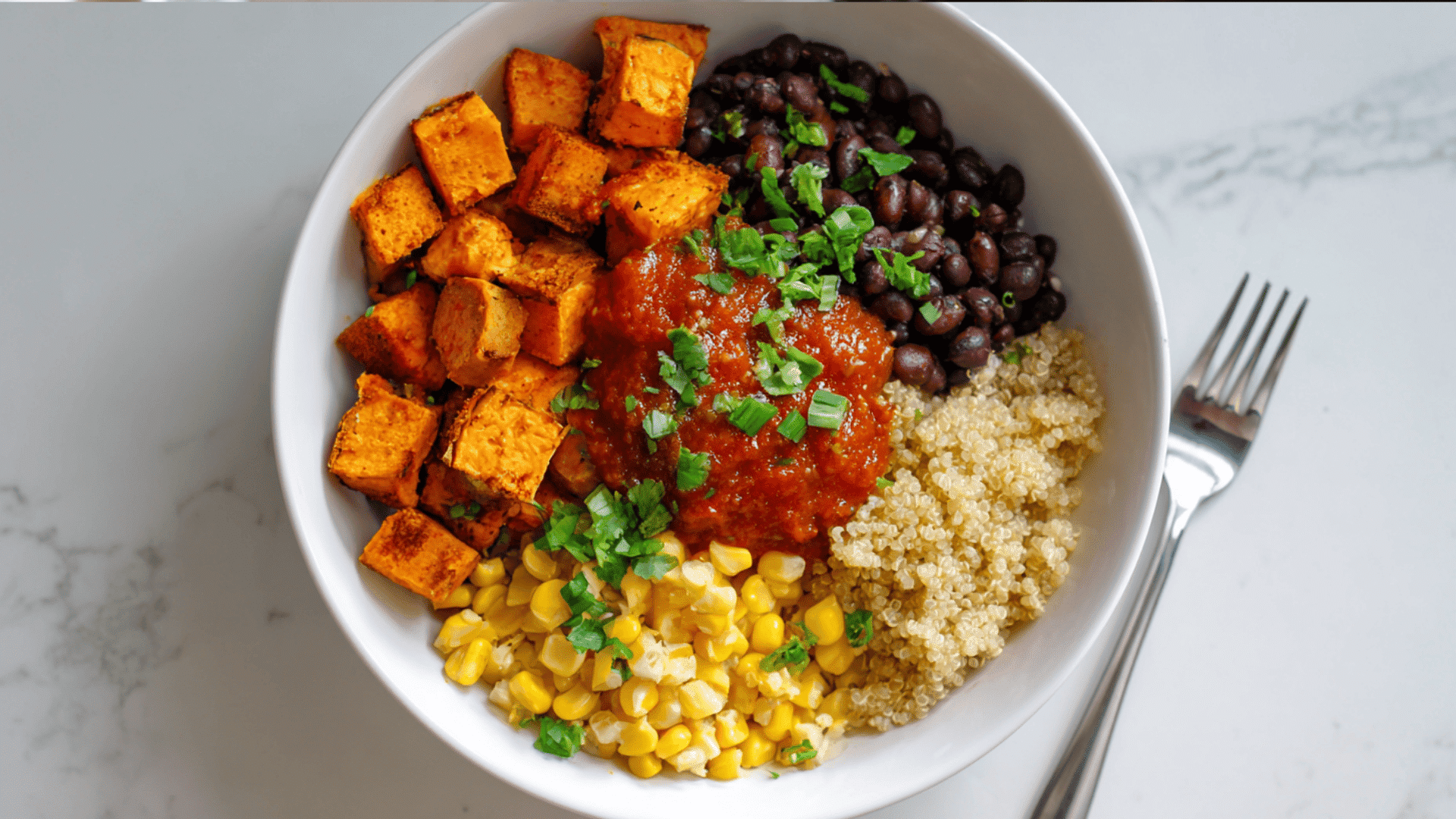
Ingredients (1 serving)
- 150 g baked sweet potato, cubed (about 1 small–medium)
- 75 g cooked black beans (about ½ cup)
- 50 g cooked corn kernels (about ⅓ cup)
- 75 g cooked quinoa (about ½ cup)
- 2 tbsp salsa
- Chopped cilantro or green onion, salt, pepper, lime juice (optional)
How to make it
- Add warm sweet potato cubes, black beans, quinoa, and corn to a bowl.
- Spoon salsa on top and sprinkle with cilantro or green onions.
- Season with salt, pepper, and a squeeze of lime if you like.
Approx. nutrition per bowl: ~383 kcal / ~77 g carbs
2. Pumpkin Oat Breakfast Bowl
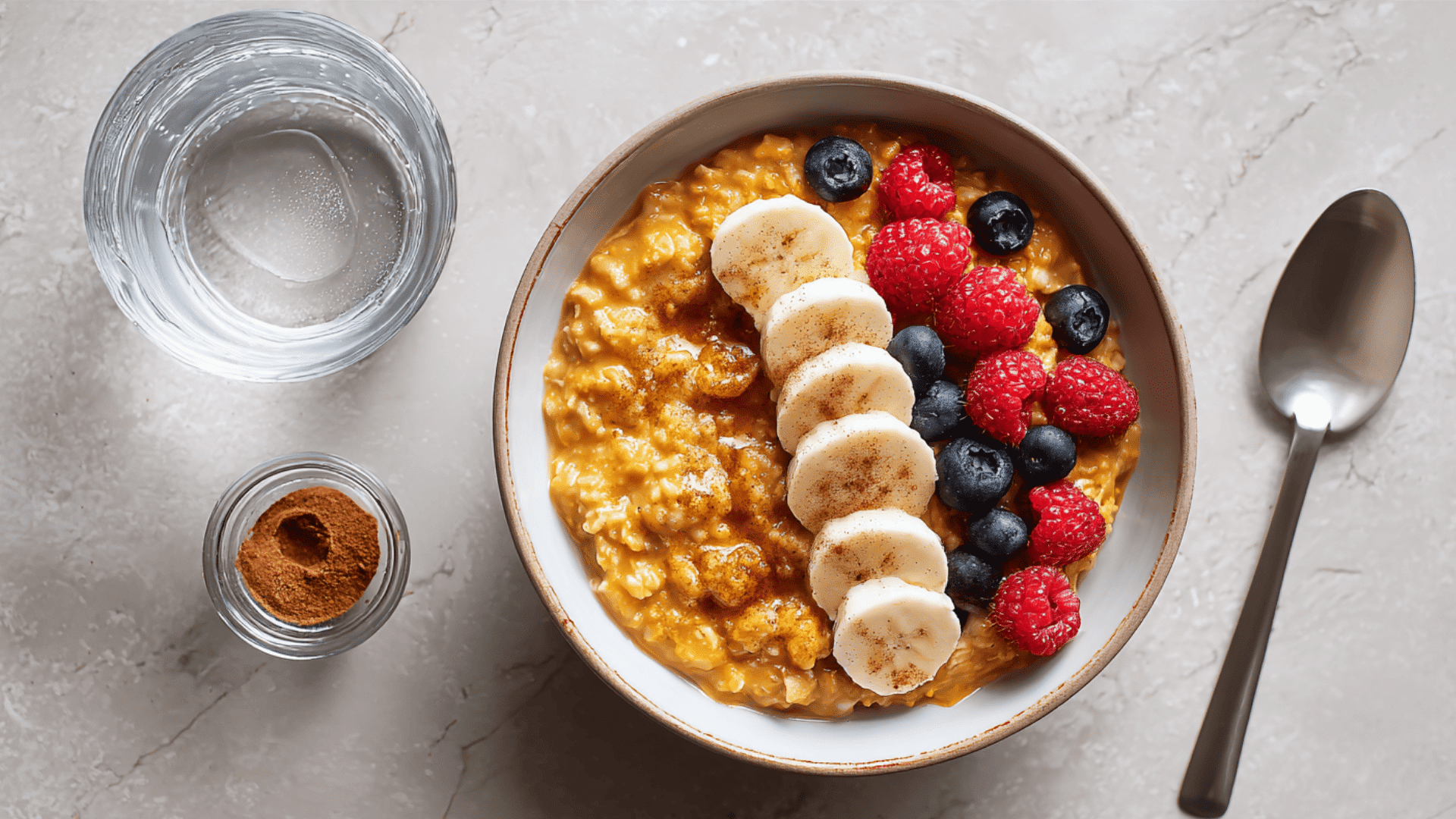
Ingredients (1 serving)
- 40 g rolled oats (about ½ cup dry)
- 80 g pumpkin puree (about ⅓ cup)
- 50 g banana, sliced (about ½ medium)
- 50 g mixed berries (fresh or frozen)
- 200 ml water or nonfat milk
- Pinch of cinnamon and a drop of vanilla (optional)
How to make it
- Cook oats in water or nonfat milk until creamy.
- Stir in pumpkin puree and cinnamon, and cook 1 more minute.
- Top with banana slices and berries before serving.
Approx. nutrition per bowl: ~259 kcal / ~51 g carbs (with water) OR ~328 kcal / ~61 g carbs (with nonfat milk)
3. Mango Berry Quinoa Salad
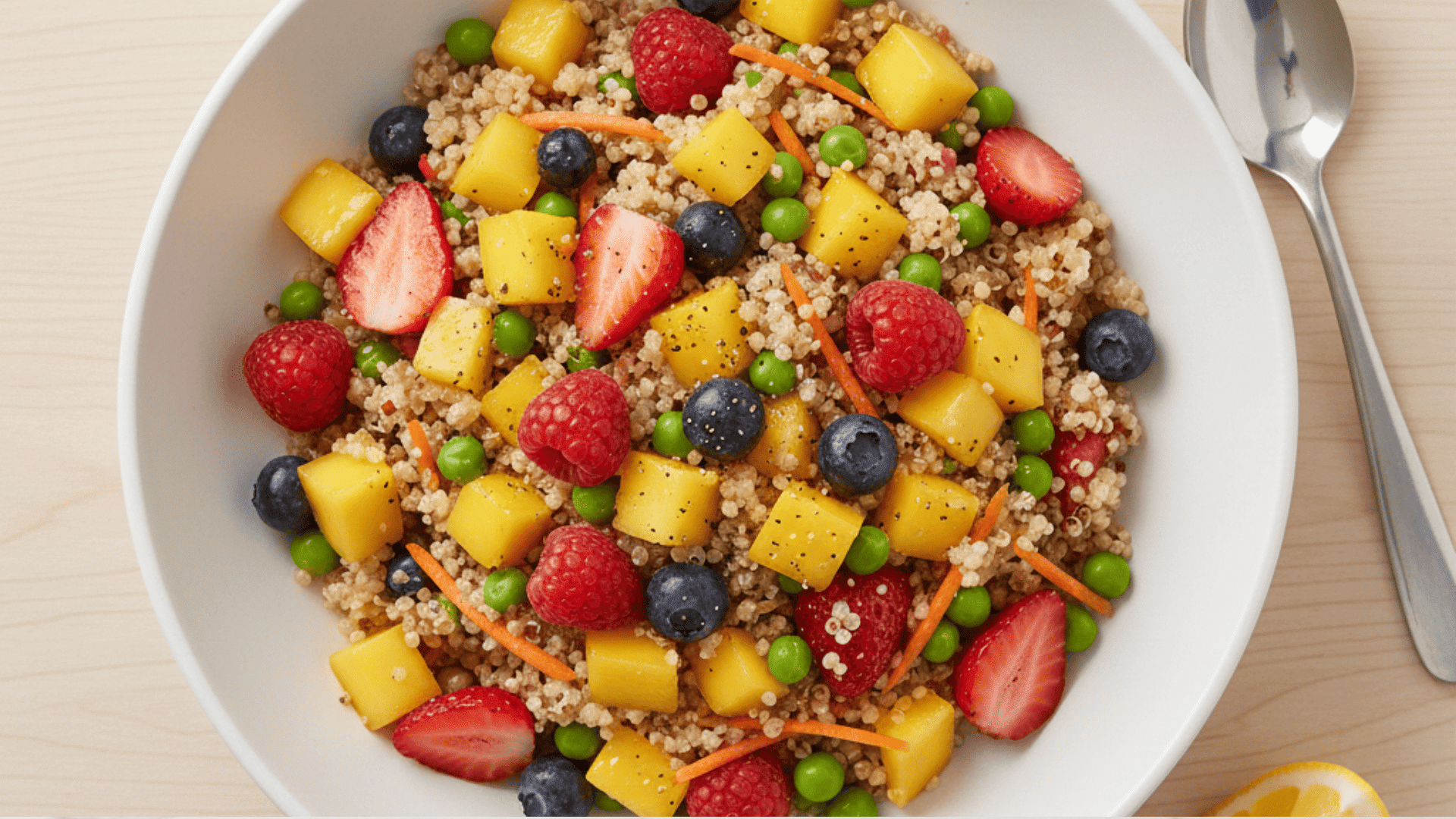
Ingredients (1 serving)
- 120 g cooked quinoa (about ¾ cup)
- 70 g mango, diced (about ½ cup)
- 50 g mixed berries
- 30 g green peas (about ¼ cup, thawed if frozen)
- 30 g grated carrot (about ¼ cup)
- 1 tsp olive oil
- 1–2 tsp lemon or lime juice, salt, pepper
How to make it
- In a bowl, combine cooked quinoa, peas, grated carrot, mango, and berries.
- Drizzle with olive oil and lemon/lime juice.
- Toss gently, then season with a pinch of salt and pepper.
Approx. nutrition per bowl: ~291 kcal / ~49 g carbs
Health Conditions Associated with Carbs
Carbs affect your body in different ways depending on the condition.
In these cases, the type of carbs (whole foods vs refined/sugary) and portion size can matter a lot. With diabetes (type 1 and type 2) and prediabetes, carbs raise blood sugar the most, so portions and carb choices really matter.
With insulin resistance (including PCOS), refined carbs can make blood sugar swings worse for some people, so steadier, fiber-rich carbs often help.
High triglycerides can also be affected by diet, and too much added sugar or refined carbs can push triglycerides up in some people.
For IBS (irritable bowel syndrome), certain carbs like FODMAPs may trigger bloating, gas, pain, constipation, or diarrhea.
And with celiac disease, gluten grains (wheat, barley, rye) must be avoided, which matters because many common carb foods include them.
Nutrition Tips for Adding High-Carb, Low-Calorie Foods to Your Diet
Eating high-carb, low-calorie foods can help you stay energized without eating too many calories, but a few smart tips can make them even more effective.
- Pair carbs with protein to stay full longer. Foods like beans, lentils, or yogurt help balance your meal.
- Choose whole or minimally processed carbs since they digest more slowly and won’t spike your blood sugar as quickly.
- Watch portion sizes, especially with grains and starchy vegetables, because even healthy carbs can add up fast.
- Add veggies whenever possible to make meals bigger and more filling without adding many calories.
- Stay hydrated, because your body needs water to use carbs for energy and support digestion.
Bringing It All Together
High-carb, low-calorie foods can be a helpful part of a balanced diet when you choose them wisely. They give your body the energy it needs while keeping meals light and satisfying.
By focusing on whole foods, paying attention to portions, and pairing carbs with other nutrients, you can create meals that support both health and energy levels.
Everyone’s needs are different, but the key is finding the foods that work best for your body and lifestyle. With the right choices, carbs can be a helpful tool, not something to avoid.
This list gives you plenty of options to start building meals that keep you full, energized, and feeling good throughout the day.
Frequently Asked Questions
Are High-Carb, Low-Calorie Foods Good for Workouts?
Yes. These foods provide quick energy without making you feel too full, making them great before or after a workout. They help fuel your muscles and support recovery.
Can High-Carb Foods Help with Digestion?
Many high-carb foods, especially fruits, vegetables, and whole grains, contain fiber, which supports digestion and helps prevent constipation.
Can I Eat High-Carb Foods at Night?
Yes, as long as you don’t overeat. Eating carbs at night doesn’t automatically lead to weight gain. What matters most is your overall calorie balance for the day.
Do High-Carb Foods Always Spike Blood Sugar?
Not always. Foods with fiber and slower-digesting carbs like oats, beans, lentils, and fruits raise blood sugar more gently than sugary or processed carbs.