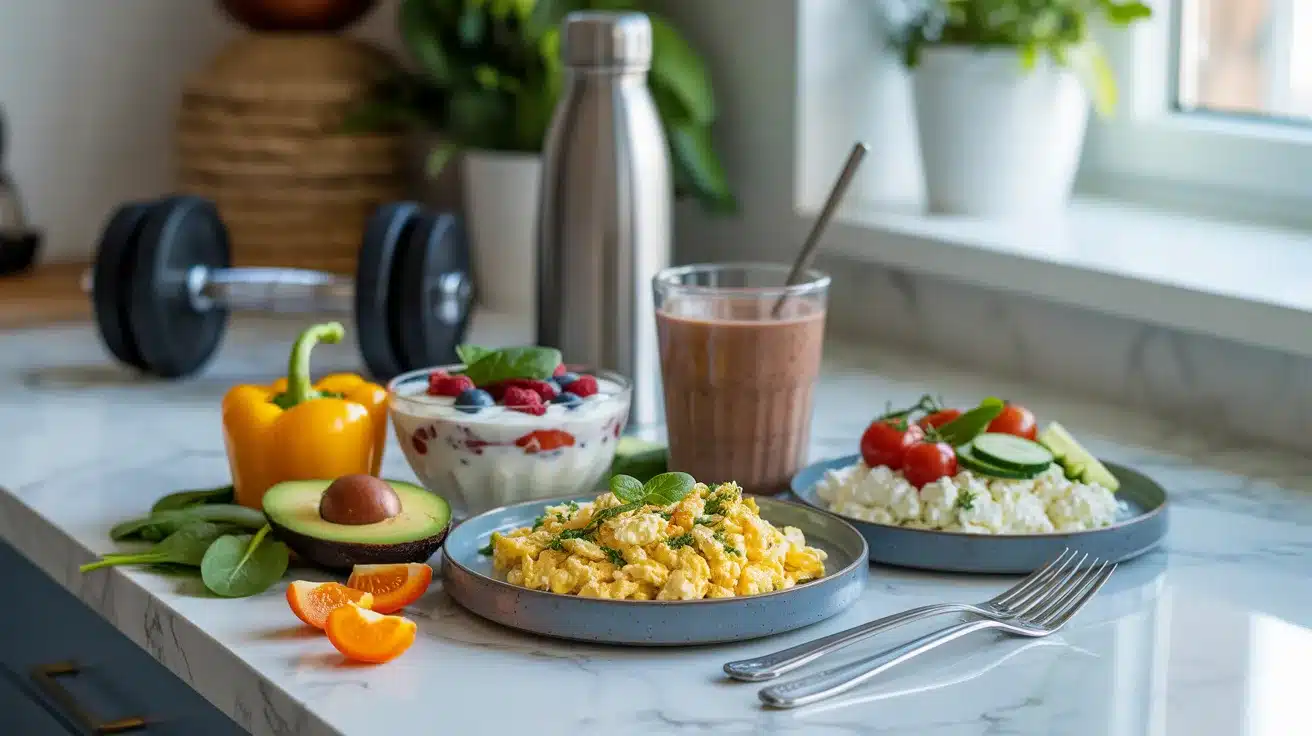


For girls and women trying to lose weight or stay strong, protein plays a big role in keeping energy levels steady and cravings away.
Protein Shakes are a great way to get instant protein in your body. They’re quick, easy, and perfect for busy days when cooking isn’t an option.
But when to drink the protein shakes for weight loss is a question that pops into every mind at first.
Knowing when to drink a protein shake for weight loss in women can help support fat loss by improving satiety and muscle recovery, feeling satisfied longer, and getting the most out of your workouts.
Whether it’s morning, post-workout, or before bed, timing can make all the difference in how your body uses that protein power.
When To Drink Protein Shakes for Weight Loss
When it comes to weight loss, Timing can be helpful for appetite control and training recovery, but total daily intake matters most. Drinking a protein shake at the right time helps your body use it better.
1. In The Morning for An Energized Start
A morning protein shake (20-30g) promotes fullness until lunch, curbing sugary snack cravings. The protein has a high thermic effect (often estimated at ~20–30% of its calories), meaning your body uses more energy to process it than carbs or fat.
Blend whey or plant-based options with berries and spinach for under 300 low-calorie fuel.
This stabilizes blood sugar after overnight fasting, enhancing focus and setting a calorie-controlled tone for the day.
2. Before a Workout (pre-Workout)
Take a shake 1-2 hours before fasted workouts to supply amino acids, preventing muscle breakdown and boosting endurance without upsetting the gut.
Pair lightly with carbs if fed recently; a 20-25g whey serving with a banana enables harder sessions and higher calorie burn.
This increases muscle protein synthesis, vital for women in deficits risking lean mass loss
3. After a Workout (Post-Workout)
Aim to get a protein-rich meal or shake within a few hours after training (sooner if you trained fasted or haven’t eaten for a while).
A shake repairs micro-tears in muscles from training, replenishing energy and curbing hunger.
A high-quality protein dose (often ~20–40g) after training supports recovery; whey is convenient, but other complete proteins work too.
This window maximizes nutrient uptake when muscles are primed, making workouts more effective over time for consistent progress.
4. As a Snack Between Meals
Mid-day shakes replace high-calorie snacks, stabilizing blood sugar to fend off afternoon cravings and fatigue.
A 20g low-sugar option keeps energy steady, reducing overall intake while maintaining satiety.
Ideal for busy schedules, this fits seamlessly into weight loss by bridging meals without nutrient gaps from whole foods.
5. Before Bed (Optional)
Pre-sleep casein can help some people hit daily protein goals and may support overnight muscle protein synthesis. Fat-loss effects are mixed, and it can add extra calories if not accounted for.
Keep portions light (20g) to avoid calories disrupting sleep, supporting repair without late-night hunger.
Which Type of Protein Is Best for A Protein Shake
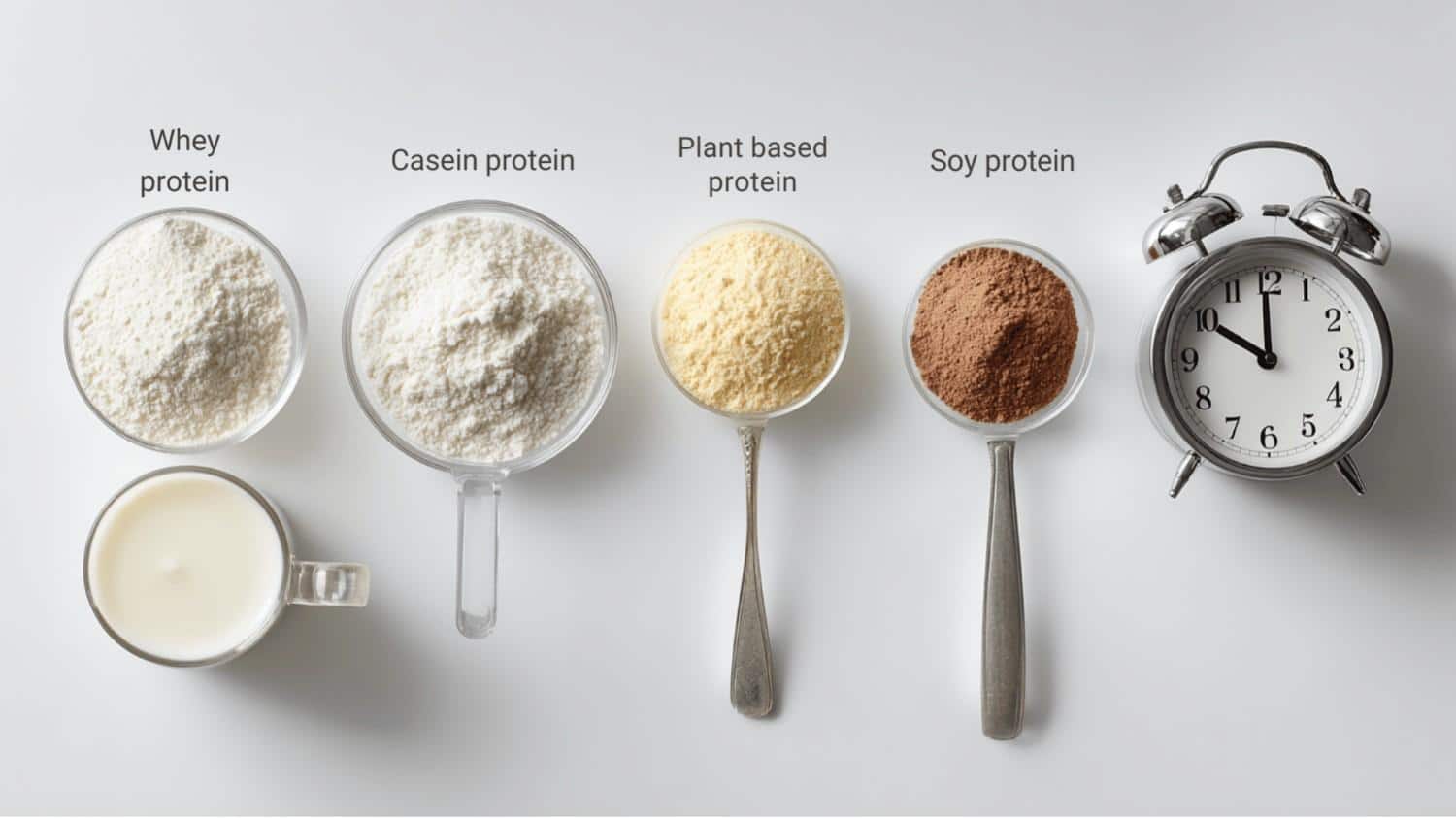
Not all proteins are the same. Each type works a little differently in your body, so the best one depends on your goals, diet, and how you feel after drinking it.
1. Whey Protein
Whey protein comes from milk and is absorbed quickly by your body. It helps muscles recover after a workout and keeps you full longer. It’s a great choice if you’re not sensitive to dairy and want fast results.
2. Casein Protein
Casein is also found in milk, but it digests slowly. That means it keeps you feeling full for hours and helps your body repair muscles while you sleep. It’s best for a bedtime shake or a long stretch without meals.
3. Plant-Based Protein
Plant-based proteins come from peas, rice, soy, or hemp. They’re perfect for people who don’t eat dairy or want something gentler on the stomach. Many blends give all the nutrients your body needs to stay strong.
4. Soy Protein
Soy protein is made from soybeans and is a complete protein with all essential amino acids. It supports muscle building and weight loss while being totally plant-based, making it ideal for vegans.
5. Collagen Protein
Collagen comes from animal sources and supports healthy skin, hair, and joints. It’s not a full protein for muscle growth, but it’s great for overall body wellness, especially for women.
Recommended Daily Intake of Protein Shakes
A common target for active women dieting is roughly ~1.6–2.2 g/kg/day, adjusted for training level, body composition, and appetite.
Limit shakes to 1-2 servings of about 20-30g protein each, comprising no more than 50% of total intake to prioritize nutrient-rich foods and avoid excess calories or strain.
Distribute evenly like 25-30g per meal/snack for best metabolism support; consult a dietitian for personalization, particularly amid hormonal shifts.
Protein Shakes on an Empty StomachConsuming protein shakes on an empty stomach accelerates amino acid absorption for rapid muscle fueling, making it ideal for morning fasted states or pre-workout sessions. where whey protein isolate 20-25g minimizes digestive discomfort while enhancing satiety and the thermic effect for modest metabolic support during weight loss. |
How Protein Shakes Help Boost Metabolism

Protein shakes do more than fill you up; they can also give your metabolism a healthy boost. When you drink a protein shake, your body uses extra energy to digest and absorb the protein.
This is called the thermic effect of food, and it helps you burn a few more calories just by processing the nutrients in what you eat.
Protein also helps preserve lean muscle, which plays a key role in keeping your metabolism active. The more muscle your body has, the more calories it burns, even while resting.
For women aiming to lose weight, this means that regular protein intake through both food and shakes can help manage hunger, maintain energy, and keep fat loss steady over time.
Drinking your shake at the right time gives your metabolism the steady push it needs to stay active all day.
Easy Protein-Rich Foods for Weight Loss
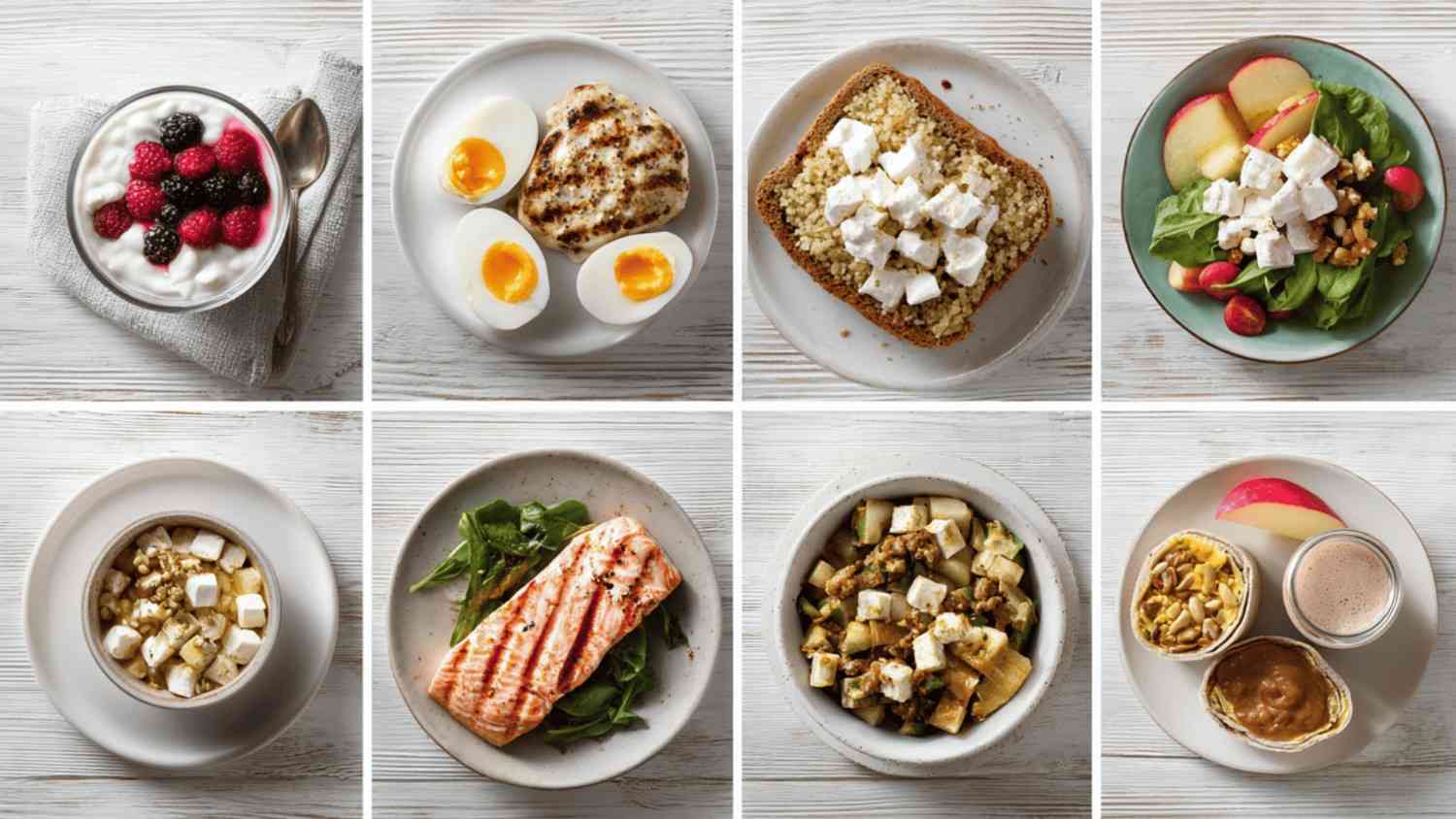
When protein shakes are paired with a protein-rich diet, they work together to support healthy weight loss and muscle maintenance.
Whole foods provide essential vitamins, minerals, and fiber, while shakes help fill in the gaps on busy days.
| Meal / Snack Idea | Approx. Protein (per serving) | Why It’s Great |
|---|---|---|
| Greek yogurt with berries and chia seeds | 18–20g | Creamy, quick, and it helps you stay full through the morning. |
| Two boiled eggs with whole-grain toast | 14g | A balanced breakfast that keeps energy steady for hours. |
| Grilled chicken breast with steamed veggies | 30–35g | Lean and filling, supports muscle repair and fat loss. |
| Cottage cheese with pineapple or cucumber | 22g | Light and refreshing, it adds both protein and hydration. |
| Tuna salad on whole-grain bread or lettuce wraps | 25g | High in omega-3s, quick to prep, perfect for lunch. |
| Lentil soup or dal with brown rice | 18–20g | Comforting and plant-powered with protein and fiber. |
| Tofu stir-fry with mixed vegetables | 20–22g | Vegan-friendly and rich in all essential amino acids. |
| Salmon fillet with quinoa and greens | 28–30g | Nutrient-packed dinner that fuels and satisfies. |
Key Factors Influencing Protein Absorption
Several physiological and dietary elements influence how effectively your body absorbs protein, from the type of protein you consume to your hydration levels and gut health.
- Protein Type: Whey and casein are generally high-quality, highly digestible proteins. Many plant proteins can be slightly less digestible due to fiber/antinutrients, but blends (e.g., pea + rice/soy) can still work very well.
- Stomach Acidity & Enzymes: Low stomach acid or reduced digestive enzyme output (more common with aging or certain meds/conditions) can impair protein digestion.
- Carb & Enzyme Pairing: If protein shakes bother your stomach, try smaller servings, different protein types (isolate or plant blends), or take them with food.”
- Gut Health: Imbalances or disorders like IBS can impair protein absorption, affecting the overall efficiency of nutrient processing and utilization.
- Exercise Impact: Resistance training increases the body’s need for amino acids to repair and build muscle.
- Hydration: Staying hydrated aids gastric emptying, supporting efficient digestion and protein absorption. Dehydration can hinder nutrient uptake.
- Fiber & Absorption: Excessive fiber can bind to proteins and reduce absorption. Balance fiber intake to ensure proper nutrient absorption.
- Hormonal Fluctuations: Women’s hormonal changes may affect protein absorption efficiency, so evenly distributing protein intake enhances overall utilization across the menstrual cycle.
By adjusting your diet, hydration, and exercise habits, you can improve protein utilization for maximum health benefits.
Tips for Getting the Most Out of Your Protein Shakes
- Don’t skip real meals. Protein shakes work best as part of a healthy diet, not a total meal replacement. Combine them with fruits, veggies, and whole foods for balanced nutrition.
- Choose quality ingredients. Look for shakes with at least 20 grams of protein, minimal sugar, and natural ingredients. Avoid products with long lists of artificial flavors or fillers.
- Stay hydrated. Proteins need water to be digested and absorbed properly. Aim for enough fluids throughout the day, especially after workouts.
- Experiment with blends. Add healthy extras like spinach, chia seeds, or nut butter for extra nutrients and flavor without too many calories.
Bringing It All Together
Protein shakes can be a simple yet powerful part of a healthy weight-loss plan. When paired with protein-rich foods, they help you stay full, build lean muscle, and keep your metabolism active.
The key is to drink them at the right times, like in the morning, after workouts, or when you need a quick, nutritious snack.
Every woman’s body is different, so it’s about finding a rhythm that fits your lifestyle and goals. Whether you’re using shakes to manage hunger, boost energy, or support recovery, consistency matters more than perfection.
Combine your shakes with balanced meals, regular movement, and good sleep, and you’ll be giving your body exactly what it needs to stay strong, energized, and healthy.
Frequently Asked Questions
How Many Calories Should a Weight Loss Shake Have?
Target 150-250 calories per shake by minimizing sugars and fats, e.g., Whey isolate 110 cal/25g protein plus water or unsweetened almond milk.
Can Protein Shakes Cause Digestive Issues?
Yes, especially Whey Protein on an empty stomach or with high fiber add-ins, due to lactose or rapid absorption and overwhelming enzymes. Opt for isolates and stay hydrated.
What Kind of Protein Powder Is Right for The Shakes?
Prioritize powders with 20g+ protein per scoop, under 5g sugar, and complete amino acid profiles, Whey isolate for fast absorption, casein for sustained release, or blended plant options like pea/rice for vegans.
How to Incorporate Protein Shakes Into a Balanced Diet?
Protein shakes fit best as supplements, not meal replacements, providing 20-30g protein to fill gaps in whole-food intake like eggs, yogurt, or lentils from the table above