







Have you ever felt great after breakfast but crashed by lunch?
Your carb intake might be all over the place. Managing your blood sugar doesn’t mean cutting out carbs completely.
A Consistent carb diet helps you eat the same amount of carbohydrates at each meal every day.
This creates a pattern your body can rely on. Instead of guessing or eating randomly, you plan your carbs carefully.
No more energy roller coasters. This method can be constructive for people with diabetes who want more predictable blood sugar patterns, particularly when medication doses are consistent.
What Is a Consistent Carb Diet
A Consistent Carbohydrate Diet (CCD) means eating roughly the same amount of carbs at breakfast, lunch, and dinner daily for predictable blood sugar.
Example: ~60g carbs at breakfast today? Aim for ~60g tomorrow too, same for other meals.
Starting points (1 carb choice ≈15g; personalize with your healthcare team):
- Women: 45–60g/meal (3–4 choices)
- Men: 60–75g/meal (4–5 choices)
Variety is fine (oatmeal today, toast tomorrow), focus on total carbs (count from labels; net carbs can underestimate impact).
Spreading carbs more evenly can support steadier energy and may make insulin/medication planning easier, especially for people on fixed-dose regimens.
Consult your doctor/dietitian.
Different Types of Carbohydrates
Not all carbs affect your body the same way. Understanding the different types helps you make better choices on a consistent carb diet.
- Simple carbohydrates break down quickly in your body. These include sugar, candy, white bread, and regular soda. They cause fast spikes in blood sugar, which isn’t ideal for steady energy or blood sugar control.
- Complex carbohydrates take longer to digest. These include whole grains, brown rice, oats, beans, and vegetables. They provide steady energy and don’t cause dramatic blood sugar swings. Most of your carbs on this diet should come from complex sources.
- Fiber is a special type of carb that your body can’t fully digest. Foods high in fiber include vegetables, fruits with skin, whole grains, and legumes. Fiber slows down digestion and helps control blood sugar.
When you count carbs for this diet, focus on the total carbohydrates listed on food labels. Start with Total Carbohydrates.
Some clinicians adjust for fiber (and sometimes sugar alcohols), but results vary, so only do this if you’re guided by your clinician and confirmed by your glucose readings.”
For carb counting, use the Total Carbohydrate line on the Nutrition Facts label. ‘Net carbs’ isn’t a standardized or legally defined label term, so it can be inconsistent, use it only if your clinician specifically advises it.”
How Does a Consistent Carb Diet Help Manage Diabetes?
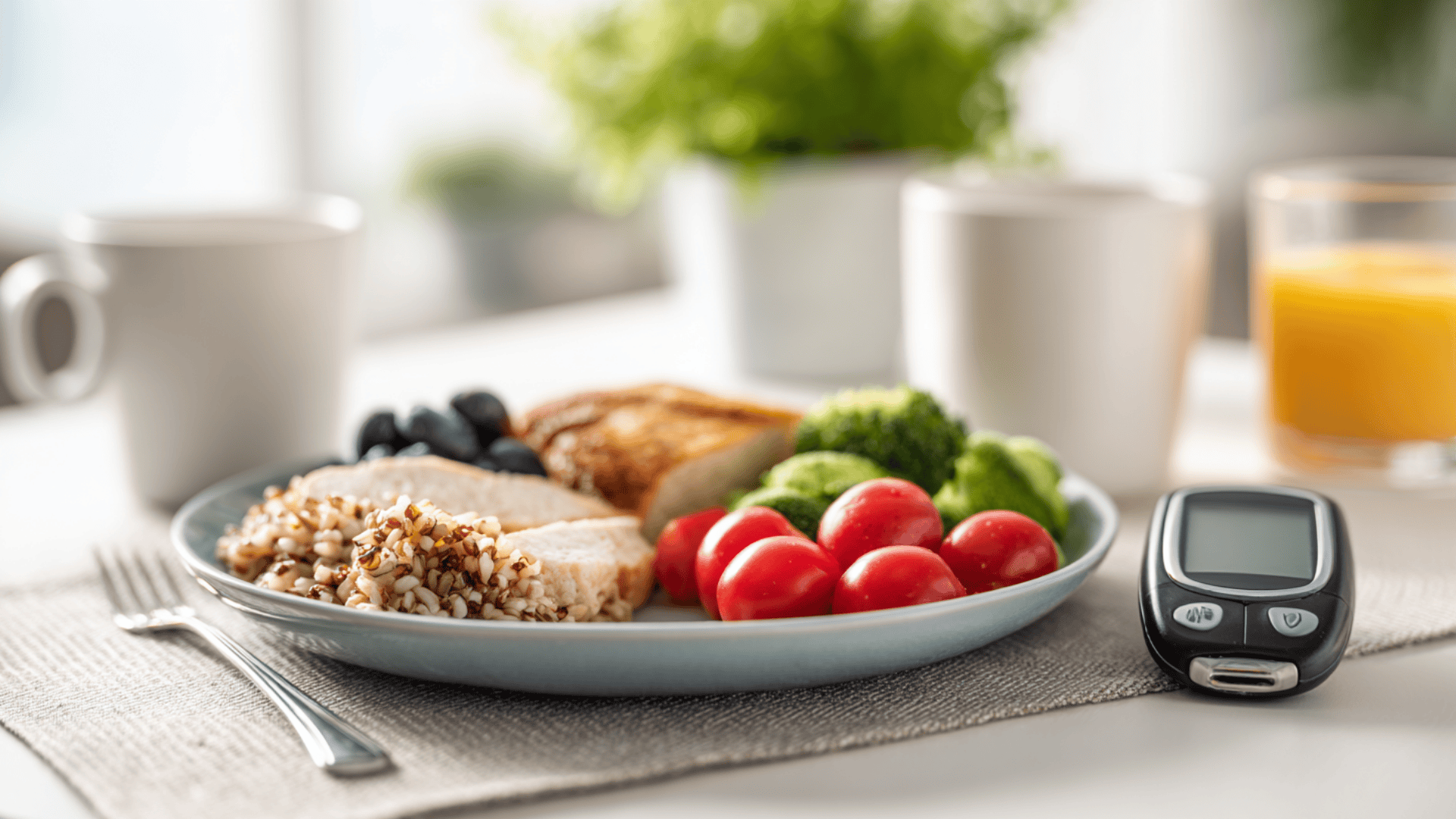
For people with diabetes, this diet offers real advantages. When you eat different amounts of carbs at each meal, your blood sugar becomes unpredictable. You might have 20 grams at breakfast one day and 80 the next, making insulin management nearly impossible.
This diet creates a pattern your body learns to handle. Eating 60 grams at every breakfast makes medication doses more accurate and helps you spot problems easily.
Consistent carbohydrate intake creates more predictable blood sugar patterns, making insulin dosing easier while reducing low blood sugar risk, especially for those on fixed insulin regimens.
Some people see additional A1C improvement with lower-carb eating patterns, especially short-term, but results vary. The best plan is one you can sustain and match to your medications.
Work with your healthcare team to find your ideal amount per meal, typically 30 to 60 grams based on activity level and medications.
Other Health Benefits of a Consistent Carb Diet
Beyond diabetes management, many people experience additional benefits from stable blood sugar and structured eating patterns. These can include:
- More Predictable Energy: You feel alert and focused without the afternoon crashes or sudden fatigue that come from uneven eating.
- Improved Digestive Regularity: Eating meals at consistent times with fiber-rich foods like vegetables, whole grains, and beans can help promote regular digestion and reduce bloating for many people.
- Improved Mental Clarity: Stable energy means better concentration and fewer brain fog moments throughout your day.
- Weight Management Support: Portion control becomes natural, helping you maintain a healthy weight without strict calorie counting or feeling deprived.
- Reduced Food Cravings: When your body gets consistent fuel, those intense hunger pangs and sugar cravings happen less often.
- Simpler Meal Planning: Grocery shopping and cooking become easier when you know exactly what to buy and prepare each week.
- Potential Improvements in Sleep: Keeping blood sugar more stable may help some people sleep better, as poor blood sugar control is linked to worse sleep quality, though results vary and the connection can go both ways.
- Possible Reduction in Inflammation: Keeping blood sugar stable with balanced, regular meals can help reduce bodily stress and may lower inflammation over time for many people.
When blood sugar is more stable, many people feel more balanced overall, with steadier energy and mood. These benefits often come from the combination of consistent carbs, regular meal timing, and choosing complex, fiber-rich sources, though individual experiences vary.
Sample Menus of a Consistent Carb Diet
Planning your meals ahead of time is the key to success on a consistent carb diet. The meal plans below give you a full two weeks of breakfast, lunch, dinner, and snack ideas.
Each meal is designed to contain about 60g of carbs (4 carb choices) as an example target. Your ideal amount may be higher or lower depending on your medications, activity, and goals.
Snacks contain about 15 grams of carbs.
Week One
Your first week on a consistent carb diet is all about building new habits. The meals below are simple to prepare and include a good mix of proteins, healthy fats, and controlled carb portions.
These menus are templates. To keep meals near ~60g, measure starch portions (rice/pasta/potatoes/bread) and adjust fruit/dessert portions as needed.
| DAY | BREAKFAST | LUNCH | DINNER | SNACKS |
|---|---|---|---|---|
| Day 1 | 2 pancakes, scrambled eggs, strawberries | Turkey sandwich (wheat), salad, apple | Chicken breast, 2/3 cup brown rice, broccoli, roll | Fresh fruit cup |
| Day 2 | English muffin with egg & cheese, banana | Chicken grain bowl, mixed veggies | Baked salmon, baked potato, green beans, roll | Vanilla pudding |
| Day 3 | Oatmeal with blueberries, scrambled eggs | Chicken Caesar salad, breadstick, and orange | Meatloaf with gravy, mashed potatoes, carrots | Yogurt with berries |
| Day 4 | French toast, turkey sausage, and orange juice | Grilled cheese (wheat), veggie soup, and a pear | Teriyaki chicken, 2/3 cup rice, stir-fry veggies | Popcorn (3 cups) |
| Day 5 | Breakfast burrito, apple slices | Tuna sandwich (wheat), salad, oranges | Pork chop, rice pilaf, asparagus, roll | Graham crackers, peanut butter |
| Day 6 | Blueberry muffin, scrambled eggs, berries | Chicken quesadilla, refried beans, fruit | Beef pot roast, mashed potatoes, veggies | Cheese, crackers |
| Day 7 | Hash browns, 2 eggs, toast, orange | Veggie soup, chicken sandwich, apple | Baked cod, wild rice, broccoli, roll | Ice cream (1/2 cup) |
Focus on drinking plenty of water throughout the week. By day seven, you should start feeling more comfortable with counting carbs and notice your energy levels becoming more stable.
Week Two
Week two builds on the habits you created in week one. Your body is now adjusting to the consistent carb pattern, so you might notice better blood sugar readings and more predictable hunger patterns.
Continue with 60g of carbs per meal.
| DAY | BREAKFAST | LUNCH | DINNER | SNACKS |
|---|---|---|---|---|
| Day 8 | Veggie omelet, toast, banana | BBQ pulled pork sandwich, coleslaw, fruit | Lemon chicken, 2/3 cup rice, zucchini | Fresh fruit cup |
| Day 9 | Raisin Bran cereal, milk, boiled egg | Turkey & cheese (ciabatta), salad, grapes | Pasta with marinara, salad, and garlic bread | Chocolate pudding |
| Day 10 | French toast, scrambled eggs, strawberries | Chicken tenders, mashed potatoes, green beans | Grilled salmon, sweet potato, spinach, roll | Cottage cheese, pineapple |
| Day 11 | English muffin sandwich, orange juice | Minestrone soup, grilled cheese, and apple | Turkey meatballs, pasta, marinara, salad | Yogurt, granola |
| Day 12 | 2 pancakes, turkey bacon, berries | Beef burger (wheat bun), baked beans, carrots | Roasted chicken, mashed potatoes, sprouts, roll | String cheese, apple |
| Day 13 | Breakfast burrito, banana | Lentil soup, roll, Caesar salad with chicken | Pork tenderloin, couscous, roasted veggies | Crackers, hummus |
| Day 14 | Blueberry muffin, veggie omelet, oranges | Stuffed shells with marinara, salad, breadsticks | Teriyaki salmon, brown rice, broccoli | Gelatin with fruit |
Congratulations on completing your two-week consistent carb challenge! Take time to notice how your body feels and what changes you’ve seen. Many people find their blood sugar readings more predictable and their energy more stable.
You can adjust the carbs based on your individual needs and your doctor’s recommendation.
Potential Challenges
Starting a consistent carb diet comes with a learning curve, just like any lifestyle change. Understanding what to expect helps you prepare and stay committed when things feel tough.
Common challenges you might face:
- Learning curve: Counting carbs and measuring portions feels awkward at first, but becomes automatic within a few weeks.
- Social situations: Restaurants and parties require extra planning since you can’t always control what’s served.
- Label reading: You’ll spend more time checking nutrition facts and ingredients than you’re used to.
- Schedule conflicts: Irregular work hours or travel can make eating at consistent times difficult.
- Limited flexibility: Some people find the structure restrictive compared to eating whatever they want, whenever they want.
- Medication adjustments: Your diabetes medications may need frequent tweaking as your blood sugar stabilizes.
- Blood sugar monitoring: Finding your ideal carb amount requires regular testing and tracking.
- Mental adjustment: Letting go of spontaneous eating habits takes time and patience.
Disclaimer: Work closely with your healthcare team when following a consistent carb diet. Share your food journal and blood sugar logs regularly, and contact them immediately if your numbers seem off or something feels wrong.
Common Mistakes to Avoid
Everyone stumbles when learning something new, and a consistent carb diet is no different. The key is knowing which pitfalls to watch for so you can sidestep them from day one.
Mistakes that can trip you up:
- Hidden carbs: Drinks, sauces, ketchup, and salad dressings add up fast, but people often forget to count them.
- Sugar-free trap: Just because something says “sugar-free” doesn’t mean it’s carb-free; always check the label.
- Eyeballing portions: Your brain thinks a cup of rice is smaller than it actually is; measuring matters, especially at first.
- Skipping and doubling up: Missing breakfast and eating extra carbs at lunch throws off your whole system.
- Going solo: Not telling your doctor what you’re doing or how it’s affecting your blood sugar readings.
Remember: Progress beats perfection every time. One off-track meal doesn’t ruin everything. Just pick up where you left off at your next meal. Keep a simple food journal for the first month to catch patterns and mistakes before they become habits.
Easy-To-Make Consistent Carb Diet Recipes
These simple recipes help you stick to your consistent carb goals without spending hours in the kitchen. Each recipe is designed to provide controlled carb portions while keeping you satisfied and energized.
1. Oatmeal Berry Breakfast Bowl
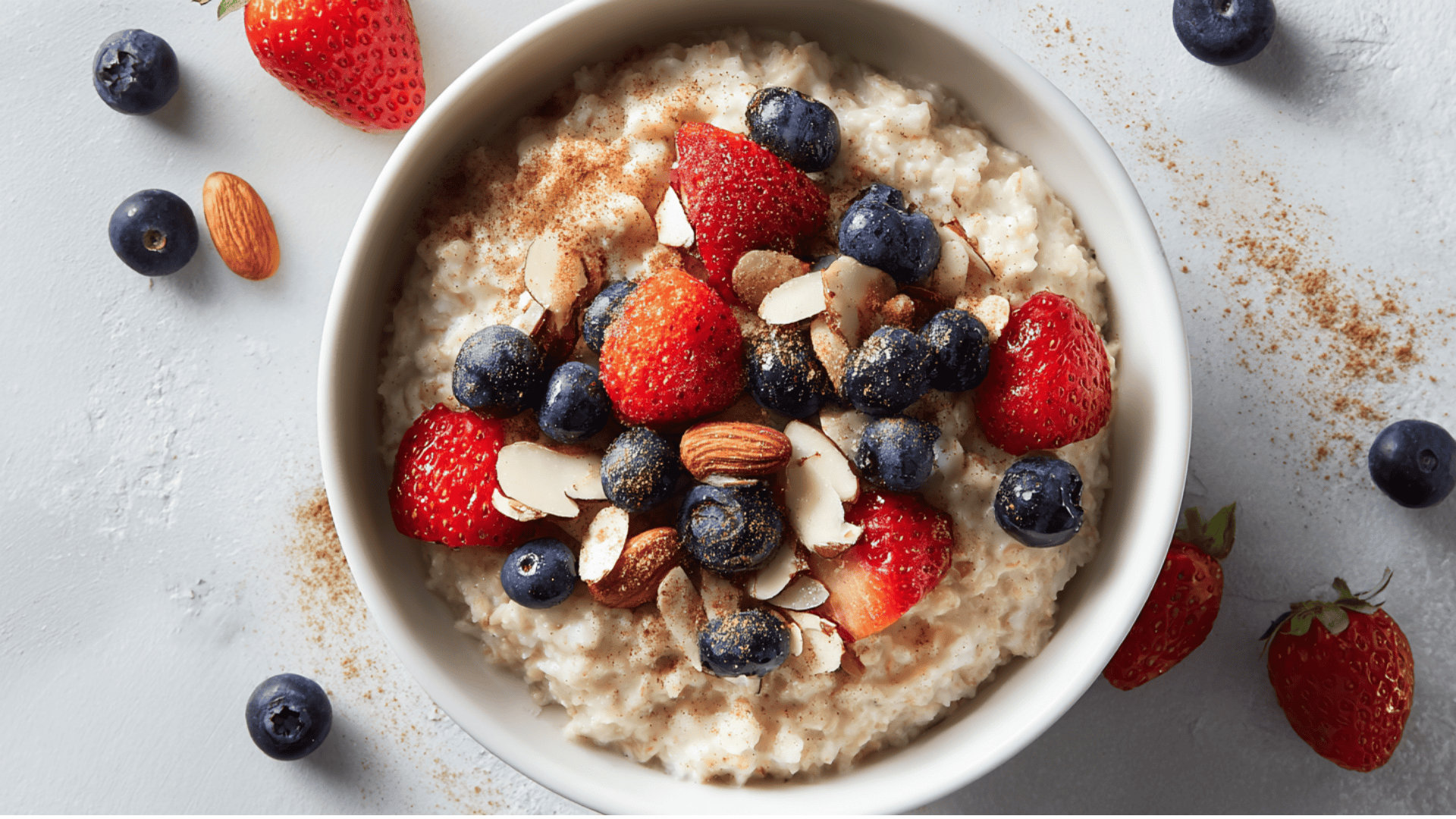
Cook 1/2 cup dry oats according to package directions using water or unsweetened almond milk. Transfer to a bowl and top with 1/2 cup mixed berries and 1 tablespoon chopped almonds.
Add a sprinkle of cinnamon for extra flavor without adding carbs. This breakfast provides about 60 grams of carbs and keeps you full all morning.
Ingredients: 1/2 cup dry oats, 1/2 cup mixed berries (strawberries, blueberries), 1 tablespoon almonds, cinnamon to taste
2. Chicken and Quinoa Power Bowl

Cook 1/4 cup dry quinoa according to package instructions while you season and grill a 4-ounce chicken breast with salt, pepper, and garlic powder. Chop the cooked chicken into bite-sized pieces and combine with quinoa, 1 cup mixed raw vegetables, and fresh spinach in a bowl.
Drizzle with 1 tablespoon olive oil and a squeeze of lemon juice for a balanced meal with about 60 grams of carbs.
Ingredients: 1/4 cup dry quinoa, 4 oz chicken breast, 1 cup mixed vegetables, 1 cup spinach, 1 tablespoon olive oil, lemon juice, salt, pepper, garlic powder
3. Sweet Potato and Black Bean Tacos

Roast 1 small sweet potato (cut into cubes) at 400°F for 25 minutes until tender, then heat 1/2 cup drained black beans with cumin and chili powder. Warm two small corn tortillas in a dry pan and fill each with half the sweet potato and beans.
Top with shredded lettuce, diced tomatoes, and a tablespoon of Greek yogurt for tacos with about 60 grams of carbs and lots of fiber.
Ingredients: 1 small sweet potato, 1/2 cup canned black beans, 2 small corn tortillas, shredded lettuce, diced tomatoes, 2 tablespoons Greek yogurt, cumin, chili powder
4. Turkey and Vegetable Pasta
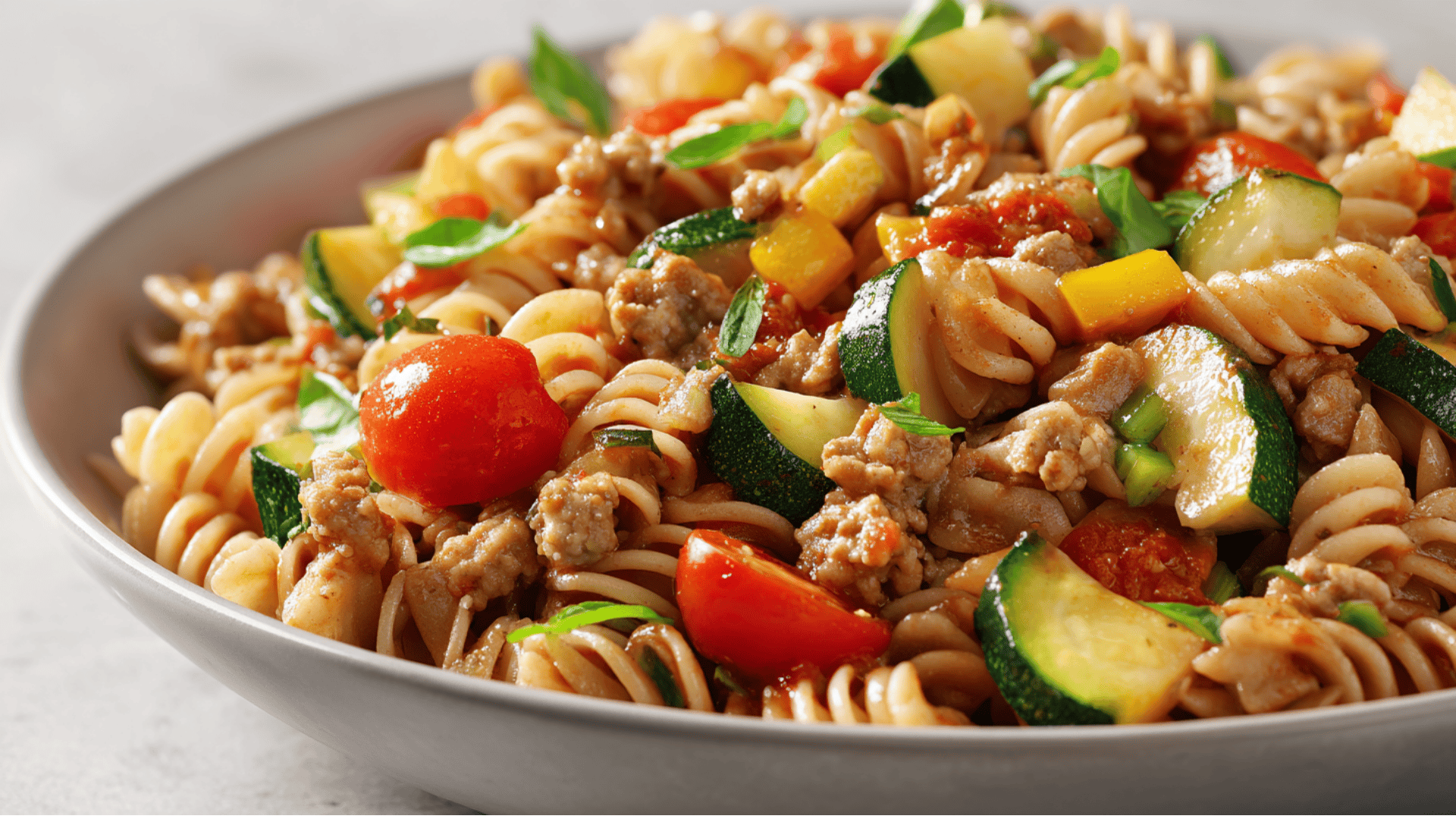
Cook 1/2 cup whole wheat pasta while you brown 4 ounces lean ground turkey in a pan with olive oil, and add 1 cup chopped vegetables like bell peppers, zucchini, and cherry tomatoes.
Season with Italian herbs, salt, and pepper, then drain the cooked pasta and mix everything. Add 1/4 cup of marinara sauce and toss for a dinner with about 60 grams of carbs, protein, and vegetables.
Ingredients: 1/2 cup whole wheat pasta, 4 oz lean ground turkey, 1 cup mixed vegetables, 1/4 cup marinara sauce, 1 tablespoon olive oil, Italian herbs, salt, pepper
5. Banana Peanut Butter Smoothie
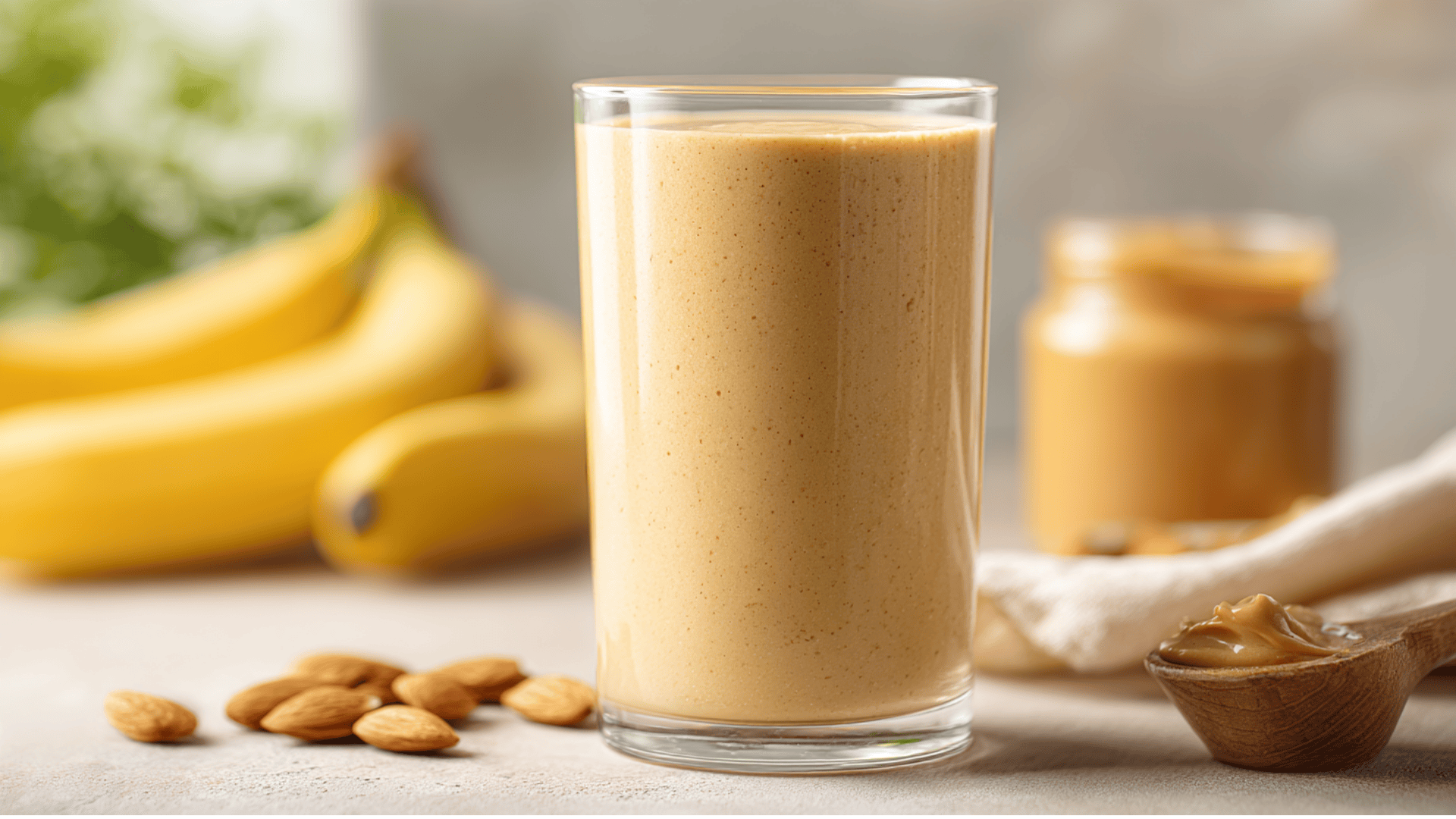
Place 1 small banana, 1 tablespoon peanut butter, 1/2 cup unsweetened almond milk, 1/2 cup plain Greek yogurt, ice cubes, and optional vanilla extract in a blender. Blend on high speed until smooth and creamy, then pour into a glass and enjoy immediately.
This smoothie contains about 30 grams of carbs, making it perfect for a smaller meal or substantial snack. Adjust thickness by adding more or less almond milk as needed.
Ingredients: 1 small banana, 1 tablespoon peanut butter, 1/2 cup unsweetened almond milk, 1/2 cup plain Greek yogurt, ice cubes, vanilla extract (optional)
Quick Tips to Stay Consistent with This Carb Diet
Managing your carbohydrate intake is simpler when you build practical habits into your daily routine. Consistency matters more than perfection; small, repeatable actions add up to better blood sugar control over time. Below are the proven strategies to help you stay on track:
| Tip | How It Helps |
|---|---|
| Measure your portions | Use measuring cups and a food scale for accuracy, especially when starting. This helps you understand accurate serving sizes and prevents carb creep over time. |
| Plan meals weekly | Spend Sunday preparing meals or at least planning what you’ll eat each day. This removes daily decision-making stress and ensures you always have carb-appropriate options ready. |
| Keep a food journal | Write down what you eat and your blood sugar readings to spot patterns. You’ll quickly see which foods work best for your body and which ones cause spikes. |
| Prep snacks ahead | Portion out snacks in bags or containers so you’re not guessing amounts. Having pre-measured snacks prevents overeating and keeps your carb count consistent throughout the day. |
| Eat at regular times | Keep breakfast, lunch, and dinner at roughly the same time each day. Regular meal timing helps stabilize blood sugar and makes your body’s insulin response more predictable. |
Final Thoughts
A Consistent carb diet gives you control over your blood sugar by creating predictable eating patterns.
Instead of cutting carbs completely or eating them randomly, you eat similar amounts at each meal every day.
This approach helps your body respond better to insulin and makes medication management easier.
The diet works best when you plan, measure portions carefully, and stay in touch with your healthcare team.
The real benefit comes from feeling better day to day. More stable energy, fewer blood sugar swings, and better long-term health outcomes make the effort worthwhile.
If you have diabetes or want better blood sugar control, a consistent carb diet offers a practical, sustainable approach to eating that your body can rely on.