



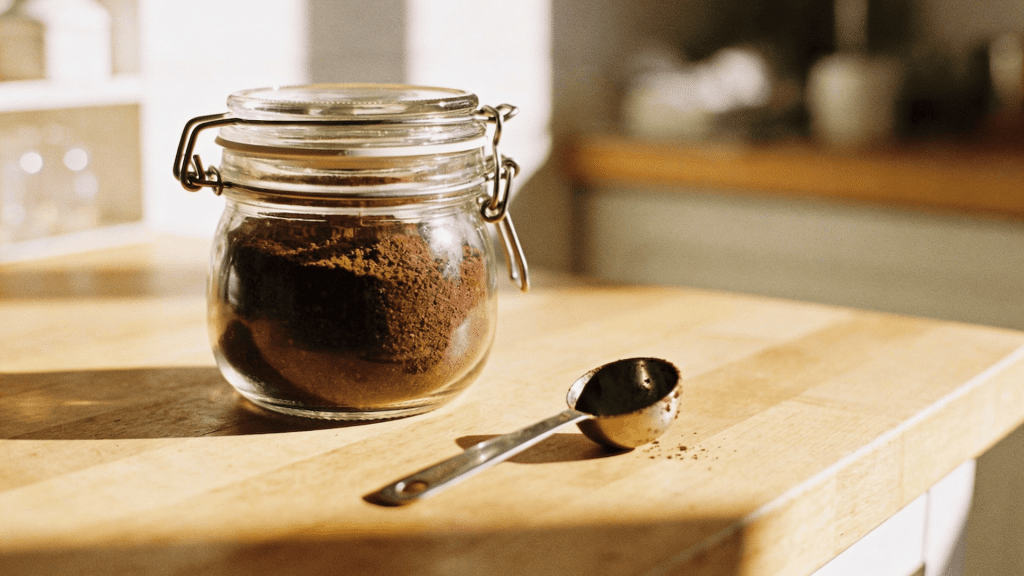

That morning cup of coffee tastes perfect, but what about the grounds sitting in the pantry? How long does ground coffee last before it loses its magic?
Most coffee lovers don’t realize their favorite brew has a hidden timer ticking away. Every day that passes, those grounds are changing in ways that affect flavor, aroma, and freshness.
The truth is, ground coffee doesn’t last as long as many people think. From the moment the bag opens, a countdown begins.
Fresh coffee today might be stale coffee tomorrow. The question isn’t just about dates on a package, it’s about what’s secretly happening inside that bag.
How Long Does Ground Coffee Last?
Ground coffee typically stays fresh for about three to six months when unopened and stored properly. Once the package is opened, however, the clock speeds up dramatically.
Opened ground coffee is at its peak freshness for 1–2 weeks (often best in the first 7–10 days), with noticeable flavor decline after that.
After that, it doesn’t go bad in a harmful way, but the flavor starts fading fast.
The rich aroma disappears, and the taste becomes flat and dull. Some coffee drinkers still use grounds that are several months old, and while it’s safe, the experience is nowhere near what fresh coffee offers.
Storage conditions play a huge role in determining how long ground coffee lasts in someone’s kitchen.
Factors That Affect How Long Ground Coffee Stays Fresh
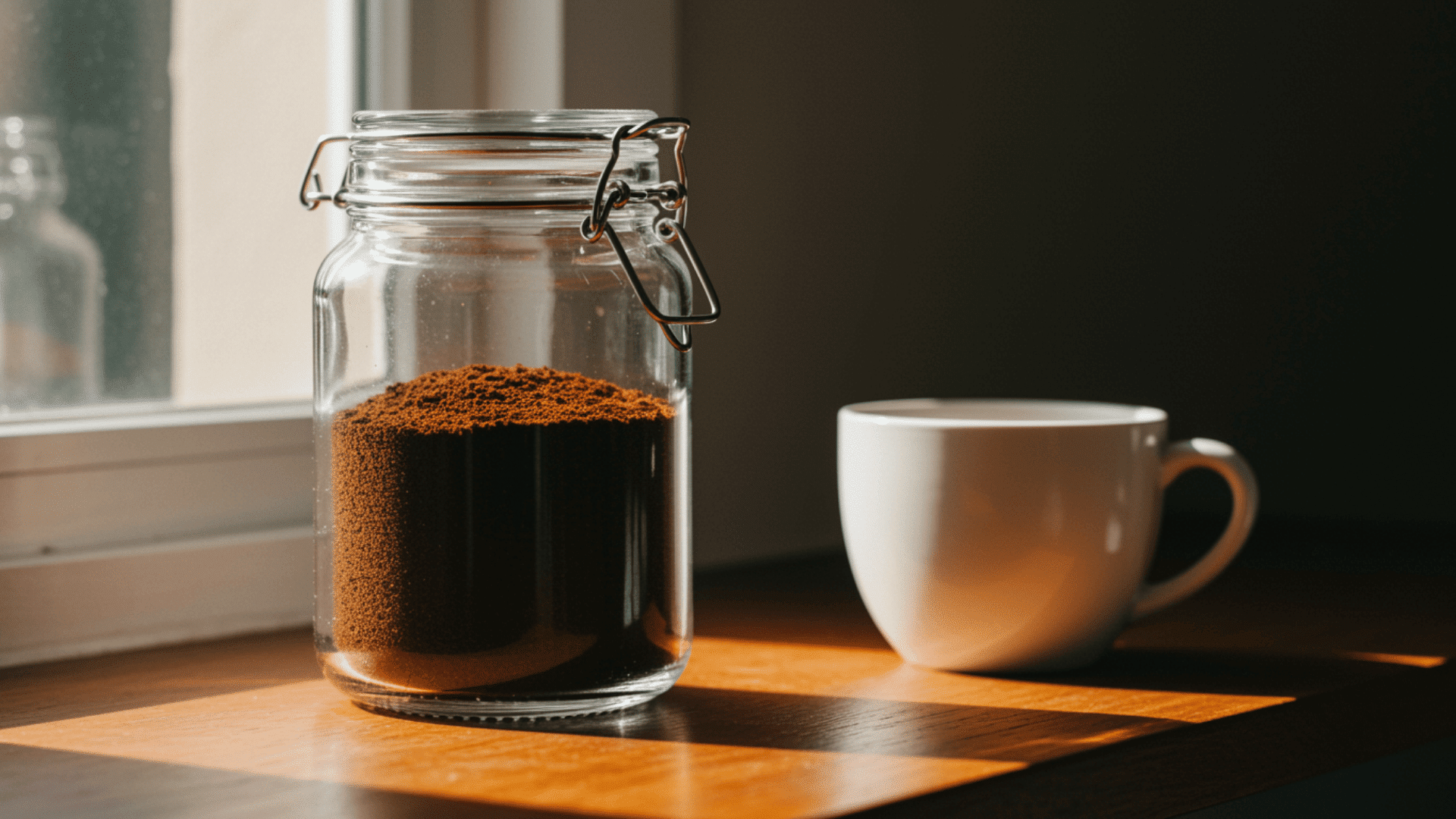
Several elements determine how long ground coffee lasts in the pantry. These factors can either extend freshness or speed up the staling process. Knowing what affects coffee helps people protect their grounds better.
- Air Exposure: Oxygen is coffee’s biggest enemy. Once air hits the grounds, oxidation begins immediately, breaking down the flavors and making coffee taste stale.
- Moisture: Even small amounts of humidity cause ground coffee to clump and lose quality. Water accelerates spoilage and can introduce mold growth in extreme cases.
- Light: Direct sunlight or bright artificial light degrades coffee oils quickly. These oils give coffee its signature taste and aroma.
- Heat: Warm temperatures speed up the aging process. Coffee stored near stoves or in hot cabinets goes bad faster.
- Container Quality: The type of storage container makes or breaks freshness. Airtight, opaque containers protect grounds best.
Where to Store Ground Coffee for Maximum Freshness
Choosing the right storage location is just as important as the container itself. Each storage spot has pros and cons that affect how long ground coffee lasts.
The best choice depends on usage habits and household conditions.
| Storage Location | Best For | Pros | Cons |
|---|---|---|---|
| Pantry | Daily use of coffee | Easy access, consistent temperature, no condensation risk | It may be too warm in some kitchens |
| Fridge | Not recommended | None for coffee storage | Moisture exposure, absorbs food odors, and condensation issues |
| Freezer |
Best for long-term storage (months); portion into small airtight bags to avoid freeze-thaw cycles. |
Extends freshness for months | Condensation, when removed, requires an airtight seal |
Pro Tip: Freezer storage works only if you use airtight bags and avoid repeated freeze-thaw cycles. Fridges are a common myth; they harm more than help.
Signs Your Ground Coffee Has Gone Bad
Even though ground coffee doesn’t spoil like milk, it definitely shows signs of aging. Recognizing these warning signals helps people decide whether their coffee is still worth brewing or ready for the trash.
- No Aroma: Fresh ground coffee smells rich and inviting. When those grounds lose their smell completely, the flavor is already gone too.
- Flat Taste: Brewing stale coffee produces a weak, lifeless cup with no depth. The taste becomes bitter or sour instead of smooth and bold.
- Clumping: If the grounds stick together in hard clumps, moisture has gotten inside. This means the coffee has absorbed humidity and lost quality.
- Visible Mold: White or green spots mean immediate disposal. Mold growth makes coffee unsafe to drink and indicates serious moisture problems.
- Dull Appearance: Fresh grounds look rich and slightly oily. Old coffee appears dry, dusty, and faded in color.
How Coffee Type Impacts Shelf Life and Freshness
Not all coffee types age the same way. The form coffee comes in makes a massive difference in how long it stays fresh. Understanding these differences helps coffee lovers make smarter storage choices.
| Coffee Type | Unopened Shelf Life | Opened Shelf Life | Freshness Factor |
|---|---|---|---|
| Ground Coffee | 3-6 months | 1-2 weeks | Loses flavor quickly due to increased surface area |
| Whole Beans | 6-12 months | 2-4 weeks | Stays fresher longer, oils are protected inside beans |
| Instant Coffee | 1-2 years | 6-12 months | Most stable, freeze-dried process preserves it longer |
Tips for Storing Ground Coffee
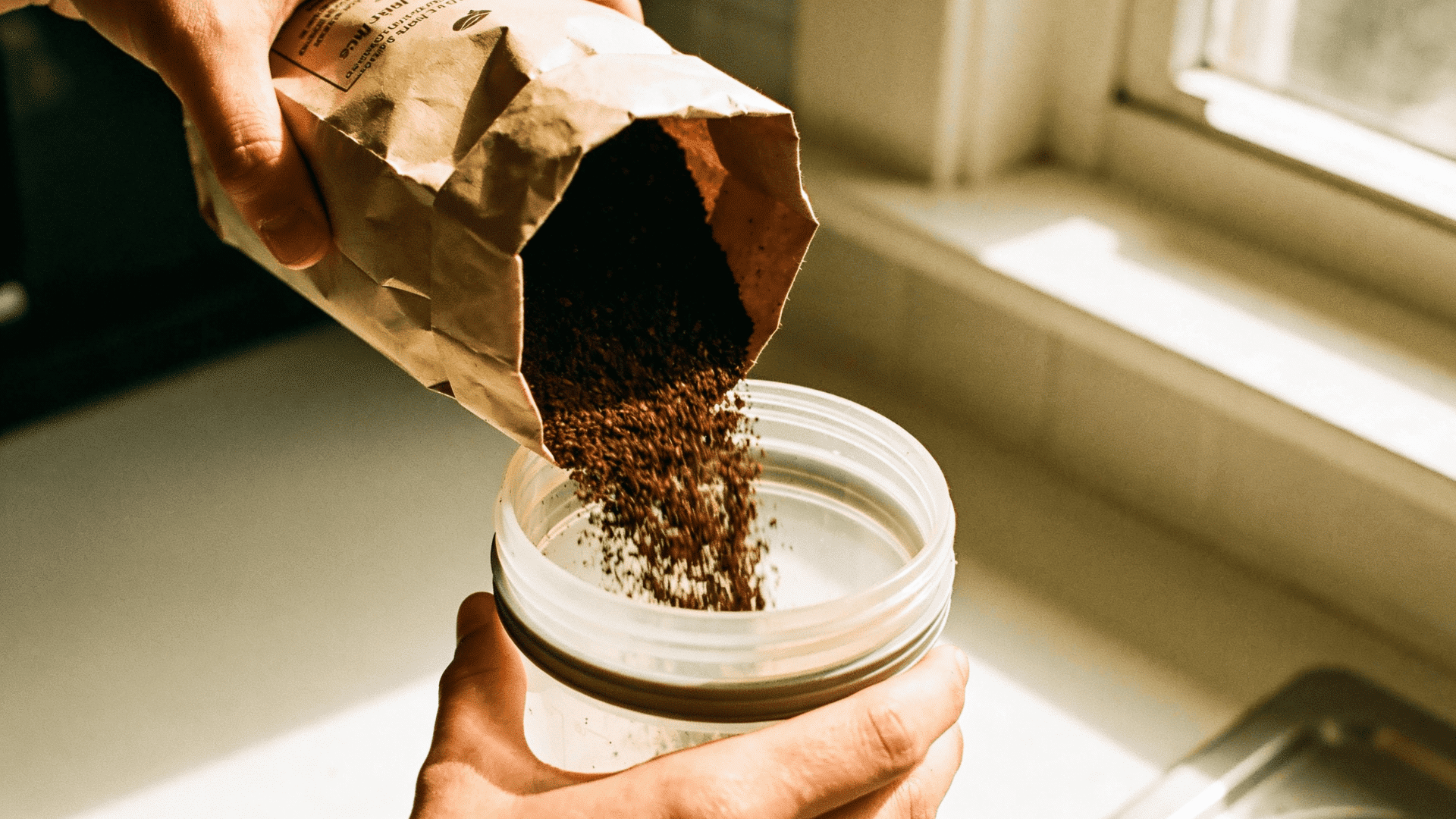
Proper storage can significantly extend how long ground coffee lasts. Simple habits make a huge difference between fresh-tasting coffee and disappointing brews.
- Use Airtight Containers: Transfer coffee from original bags into containers with tight seals. Glass jars with rubber gaskets or vacuum-sealed canisters work best for blocking air. The best storage containers often have a one-way valve. This allows the gas to escape without letting oxygen in.
- Keep It Cool and Dark: Store containers in a pantry or cabinet away from heat sources. Dark, cool spots between 50-70°F preserve freshness longest.
- Buy Smaller Quantities: Purchase only what can be used within two weeks. Fresher, smaller batches always taste better than bulk purchases that sit for months.
- Avoid Frequent Opening: Every time the container opens, air rushes in. Take out what’s needed quickly and reseal immediately.
- Label with Dates: Write the opening date on containers to track freshness easily and know when replacement time arrives.
Final Thoughts
Understanding how long ground coffee lasts transforms the daily coffee ritual from guesswork into confidence. Armed with knowledge about storage, shelf life, and freshness signs, anyone can enjoy better-tasting coffee every single day.
The difference between stale and fresh grounds isn’t mysterious anymore; it’s about smart choices and simple habits.
Proper storage techniques, combined with awareness of what makes coffee go bad, mean never settling for a disappointing cup again.
Coffee lovers deserve the best flavor possible from every bag they buy. The power to keep grounds fresh sits right in everyone’s hands now.
Time to check that pantry, upgrade storage containers, and give those coffee grounds the care they truly deserve for maximum enjoyment!
Frequently Asked Questions
Can You Refresh Or Improve The Taste Of Stale Ground Coffee?
You can slightly improve flavor with stronger brewing, but lost freshness and aroma cannot be restored.
Does Roast Level Affect How Long Ground Coffee Stays Fresh?
Yes, darker roasts stale faster due to exposed oils, while lighter roasts retain freshness longer.
How Long Do Coffee Pods Stay Fresh After Manufacturing?
Sealed coffee pods typically stay fresh for 6–12 months because of nitrogen flushing and airtight packaging.