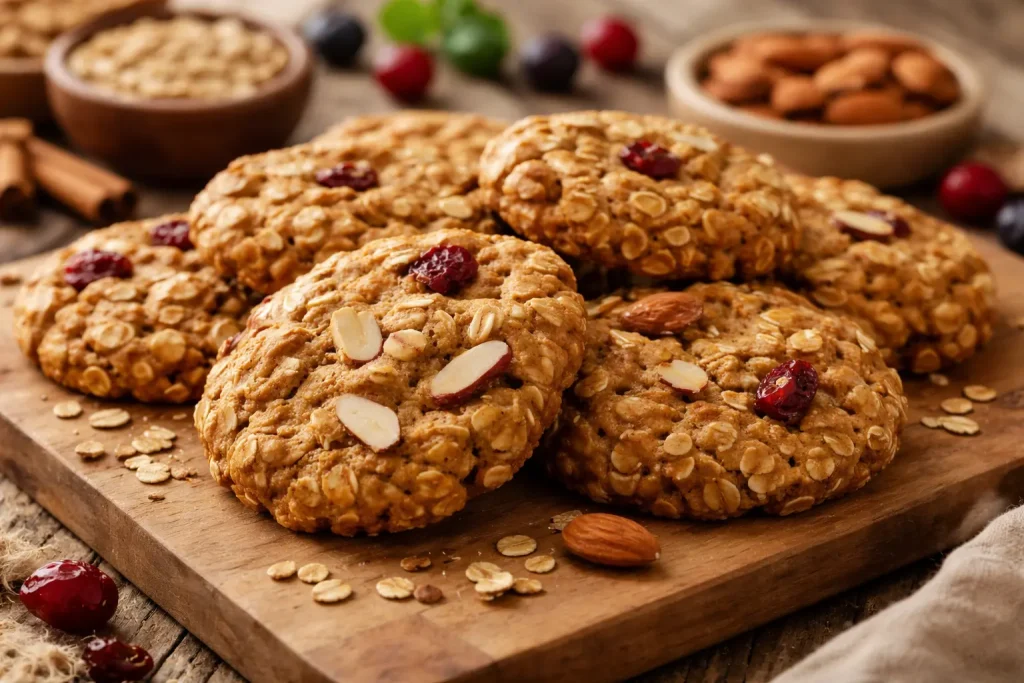







Bloating, irregular bowel movements, or just feeling “off” can sometimes trace back to what’s on your plate.
Your gut affects more than digestion; it can shape how energized you feel, how your body handles inflammation, and even your day-to-day mood.
The good news is you don’t need a perfect diet to notice a difference. Often, it comes down to spotting a few repeat offenders and making simple swaps.
Some foods only cause trouble when you have them too often, or if you’re sensitive to things like lactose or certain carbs.
But others, especially heavily processed picks, tend to bother a lot of people. This list breaks down the worst foods for gut health and the easier options you can try instead.
Why These Foods Can Be Rough on Your Gut
Certain foods tend to feel rough on your gut for a few common reasons.
First, many are high in refined carbs and low in fiber, which means they don’t provide the fuel your beneficial gut bacteria rely on to thrive, so digestion and regularity can suffer.
Second, heavily processed foods often contain additives, and some research suggests ingredients like certain emulsifiers and sweeteners may influence the gut microbiome and, in some cases, affect the protective mucus layer that supports the intestinal lining.
Third, frequent alcohol intake and high-fat eating patterns, especially fried foods, can irritate the digestive tract and may weaken the gut barrier over time, making your system feel more sensitive.
Ultra-Processed Foods (UPFs)
These foods are typically made with ingredients you wouldn’t find in your kitchen, such as protein isolates, hydrogenated oils, and various additives.
They tend to be low in fiber and heavy on sodium, added sugars, and unhealthy fats.
1. Instant Noodle Cups

These convenient meals are loaded with sodium and refined carbs while offering virtually no fiber. The flavor packets often contain various additives and excessive salt.
Better swap: Try rice noodles with fresh vegetables and lean protein, or whole grain pasta with simple seasonings.
2. Frozen Pizza

Most frozen pizzas combine refined flour crusts with processed meats, excessive sodium, and emulsifiers in the cheese.
Better swap: Make your own with whole wheat pita bread, fresh mozzarella, and plenty of vegetables.
3. Chicken Nuggets

Breaded and fried, these are often made with processed chicken, refined flour, and cooked in oils that may contain inflammatory compounds.
Better swap: Bake your own chicken strips using whole-grain breadcrumbs or crushed nuts for coating.
4. Potato Chips
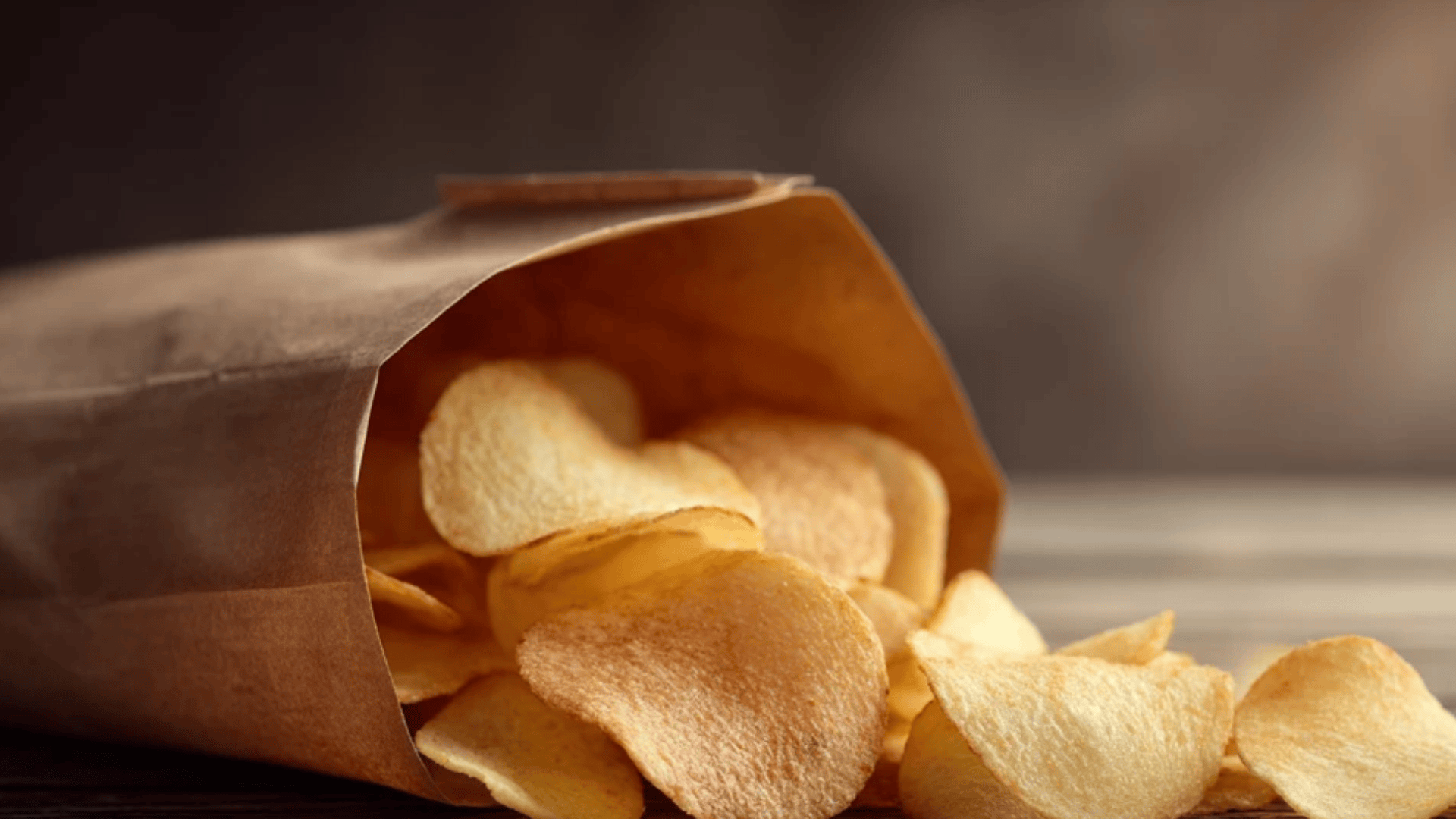
Deep-fried in seed oils and loaded with salt, chips offer almost no nutritional value while potentially disrupting your gut bacteria.
Better swap: Air-fried potato or sweet potato slices with a light brush of olive oil.
5. Boxed Mac & Cheese

The powdered cheese sauce typically contains emulsifiers, artificial colors, and excessive sodium, while the pasta is highly refined.
Better swap: Make it from scratch with whole-grain pasta and real cheese, or try adding pureed butternut squash for creaminess.
When shopping, look for products with shorter ingredient lists containing items you recognize. If you see multiple additives, colors, or stabilizers, that’s usually a sign of heavy processing.
Added Sugar Bombs
High added sugar intake consistently shows up in research on gut health problems. These calories provide no fiber or nutrients while potentially feeding less beneficial bacteria in your gut.
6. Regular Soda
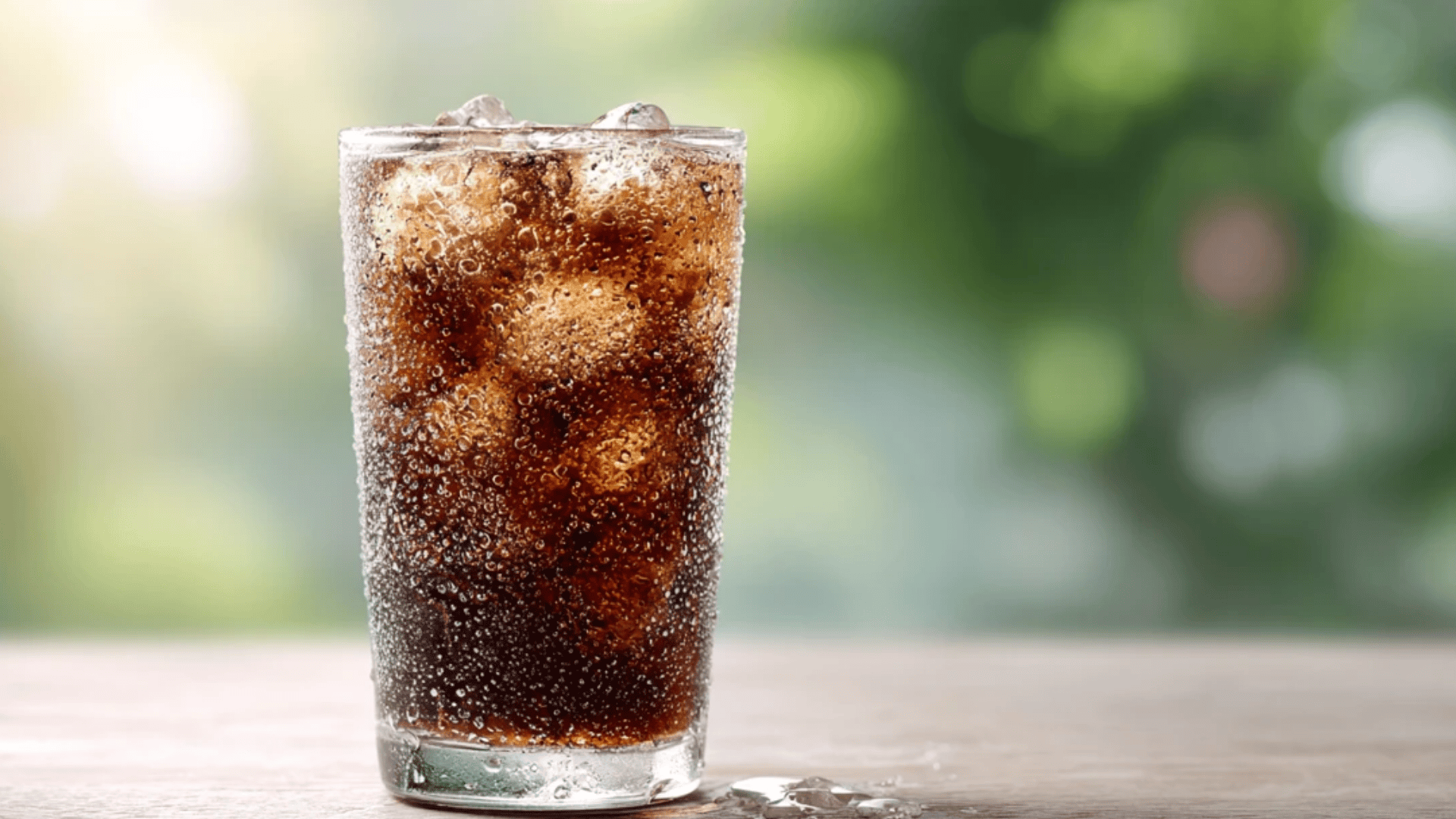
A single can can contain 40+ grams of sugar. Research published in JAMA Internal Medicine found that consuming more than one sugar-sweetened drink daily was linked to higher rates of digestive diseases.
Better swap: Sparkling water with fresh fruit slices, or gradually transition to unsweetened options.
7. Sweetened Coffee Drinks

Those caramel lattes and frappuccinos can pack 50-70 grams of sugar, more than two days’ worth in one drink.
Better swap: Black coffee or coffee with milk, using cinnamon for flavor instead of sugar.
8. Candy (Gummies, Hard Candy)
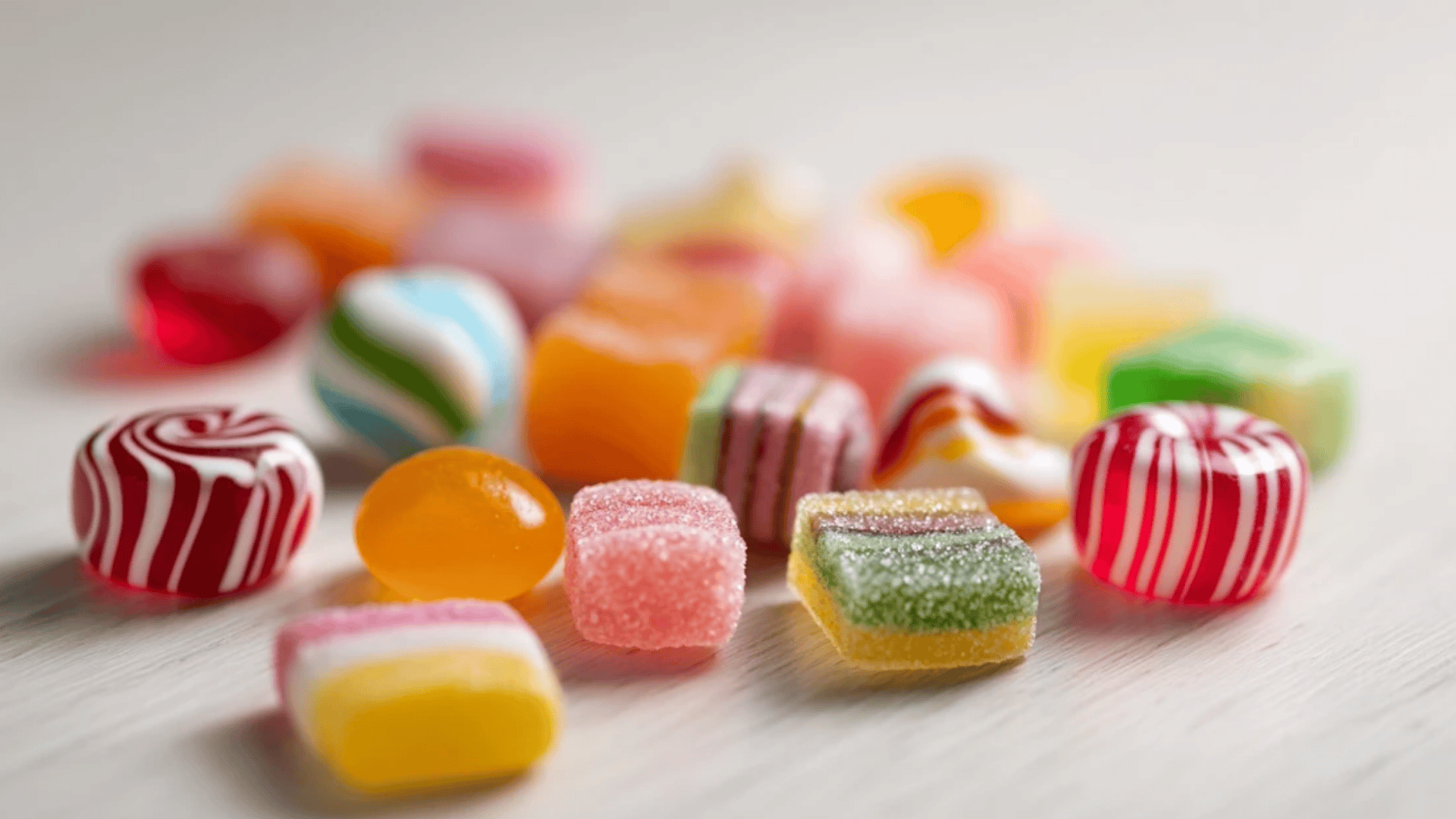
Pure sugar with artificial colors and flavors. Some gummy candies also contain sugar alcohols that can cause digestive discomfort.
Better swap: Fresh fruit, or if you need something sweet, a small square of dark chocolate (70%+ cacao).
9. Donuts & Pastries

Refined flour, excess sugar, and trans fats create a triple threat. Lacks fiber while promoting inflammation and feeding less beneficial gut bacteria.
Better swap: Whole-grain muffins made with fruit and nuts, or oatmeal with berries.
10. Sugary Breakfast Cereals
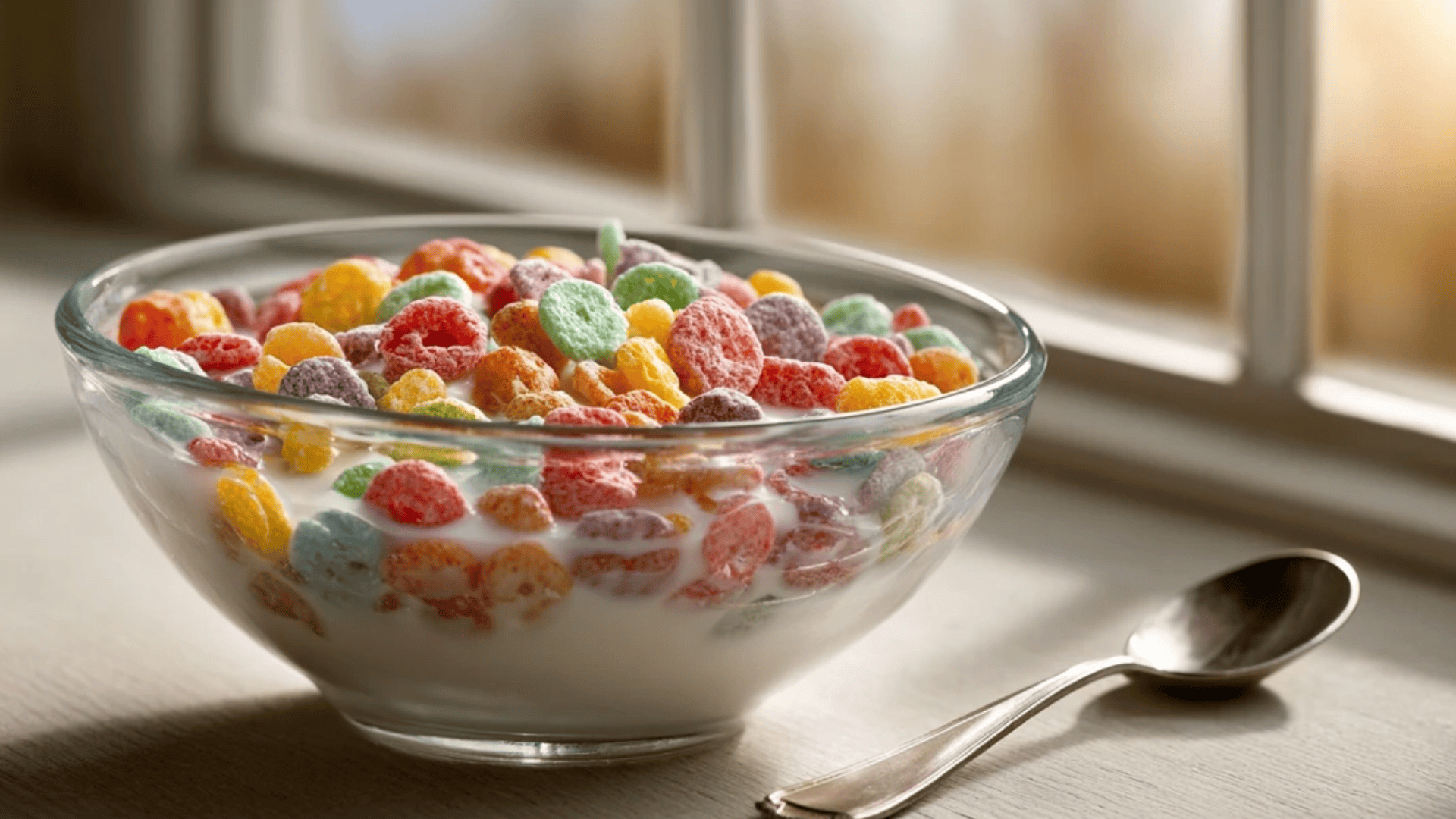
Many popular cereals contain more sugar per serving than a cookie. The refined grains also lack fiber.
Better swap: Plain oats with fresh fruit, nuts, and a small drizzle of honey if needed.
Check nutrition labels, even “healthy” appearing products can hide 10-20 grams of added sugar per serving.
Artificial Sweeteners & “Zero Sugar” Products
Some studies suggest that certain artificial sweeteners may affect the gut microbiome, though findings vary depending on the type of sweetener and individual factors.
Many people also report digestive symptoms, particularly with sugar alcohols like sorbitol and xylitol.
11. Diet Soda

Contains artificial sweeteners like aspartame or sucralose. Some research indicates these compounds may alter gut bacteria composition, though human studies show varied results.
Better swap: Gradually reduce sweetness preferences by diluting drinks or switching to herbal tea.
12. Sugar-Free Gum (Often Contains Sorbitol/Xylitol)

Sugar alcohols can cause bloating, gas, and diarrhea, especially when consumed in larger amounts.
Better swap: Sugar-free gum with stevia, or limit gum chewing overall.
13. Sugar-Free Candy/Chocolate
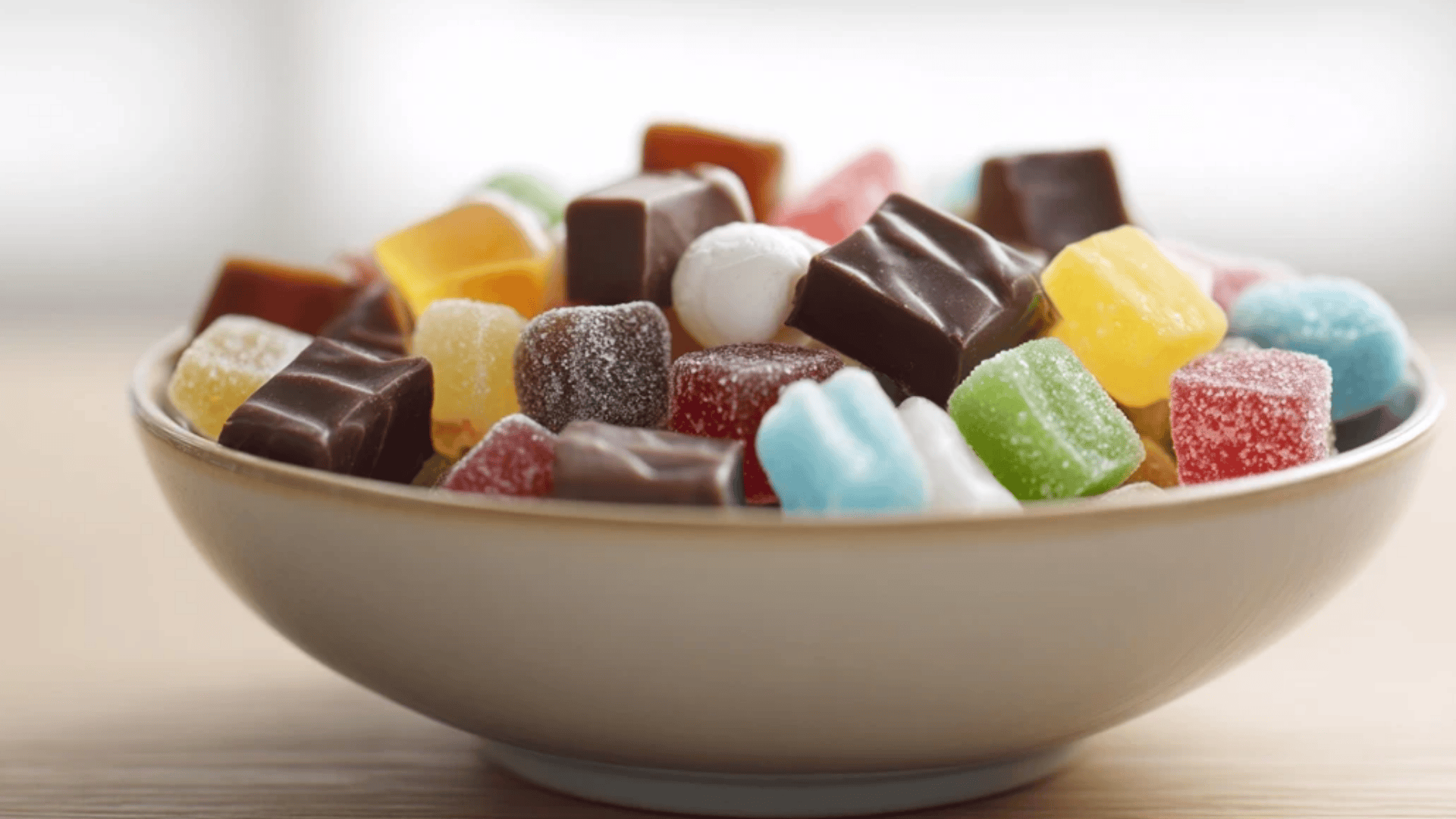
Like gum, these often rely on sugar alcohols that can trigger digestive distress.
Better swap: Small portions of regular dark chocolate instead of consuming larger quantities of “sugar-free” versions.
14. “Zero Sugar” Ice Cream/Protein Desserts

These products typically combine multiple sweeteners and emulsifiers to achieve a creamy texture without sugar.
Better swap: Greek yogurt with frozen fruit blended into a soft-serve consistency.
If you experience bloating or digestive discomfort after consuming products labeled “sugar-free,” check for sugar alcohols (ingredients ending in “-ol”).
Deep-Fried & Trans-Fat-Heavy Choices
Fried foods are often cooked in refined seed oils that become further degraded when heated to high temperatures.
These dishes frequently cause reflux or bloating and are typically paired with other ultra-processed ingredients.
15. French Fries
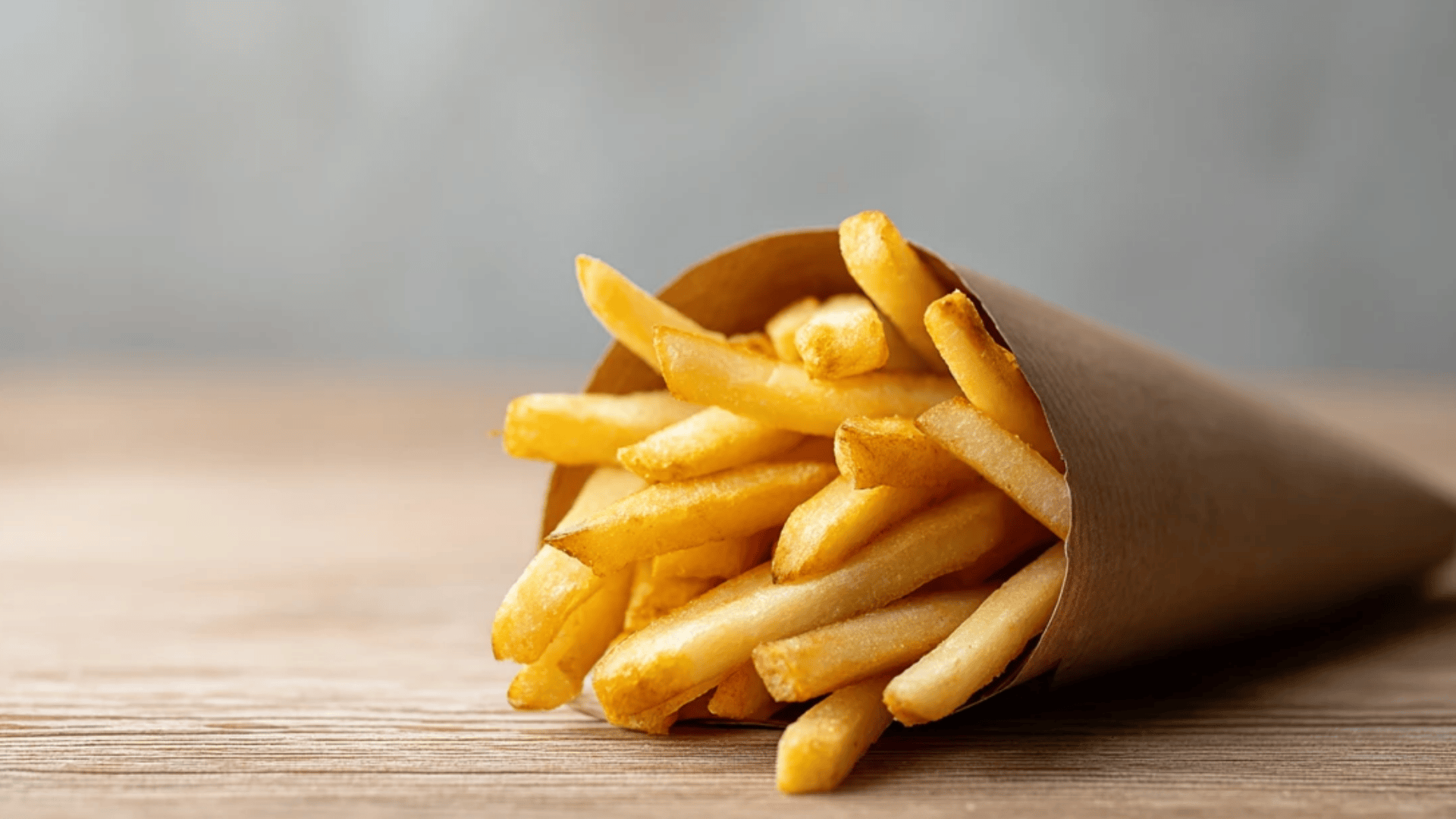
Deep-fried potatoes are cooked in oils high in omega-6 fatty acids. Research suggests that fried foods may reduce microbial diversity in the gut.
Better swap: Oven-baked or air-fried potato wedges with olive oil and herbs.
16. Fried Chicken

The breading is often made with refined flour, and frying in reused oils creates compounds that may promote inflammation.
Better swap: Grilled or baked chicken with flavorful marinades.
17. Packaged Pastries Made with Hydrogenated Oils
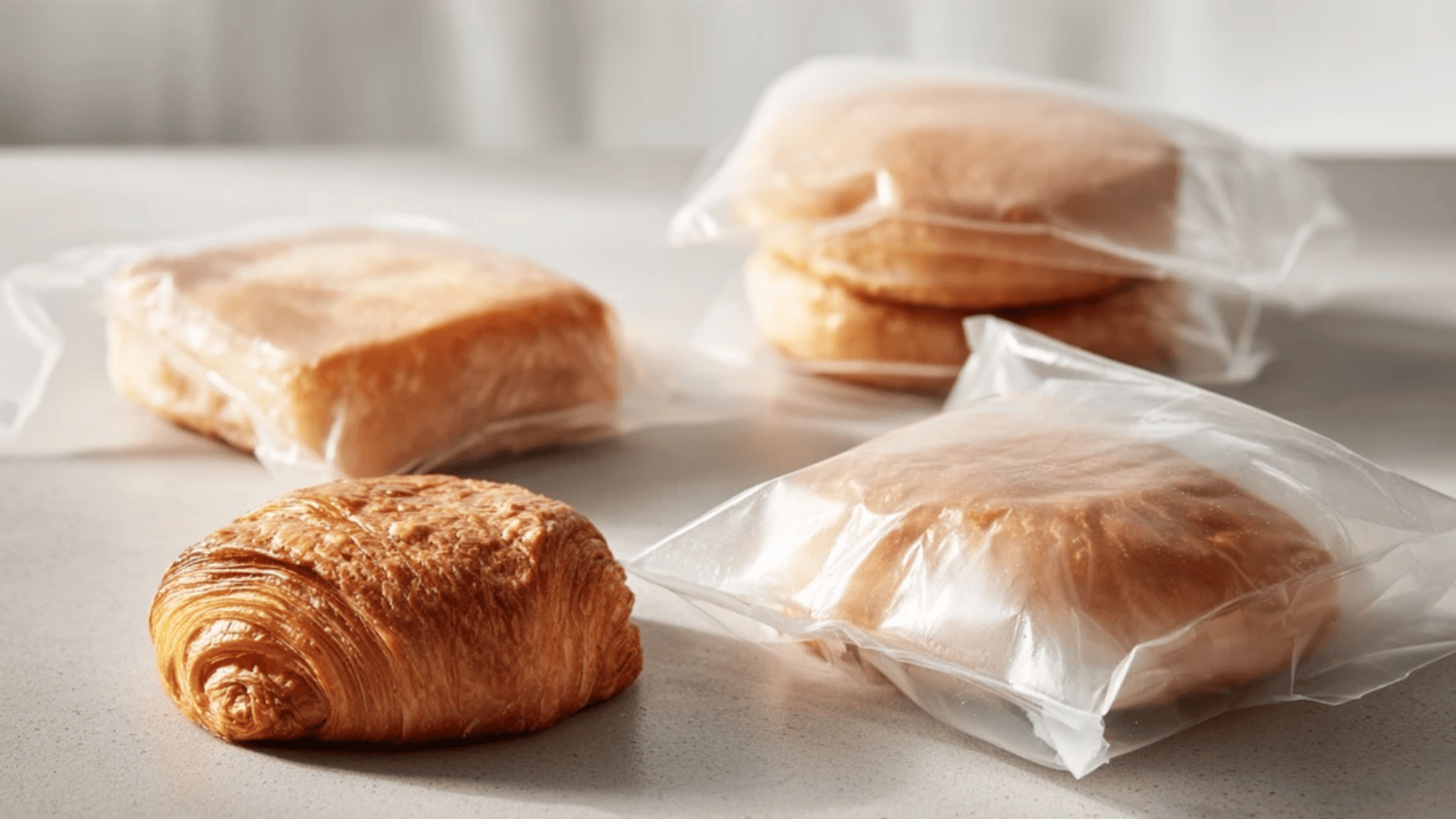
Trans fats from partially hydrogenated oils are particularly concerning for both gut and heart health.
Better swap: Homemade baked goods using butter or olive oil instead of margarine or shortening.
When eating out, ask how foods are prepared. Grilled, baked, or roasted options are typically gentler on your gut than fried versions.
Alcohol and Spirits
Alcohol is frequently cited in gut health research as a disruptor. It can affect the balance of your microbiome, interfere with the gut barrier, and cause inflammation in the digestive tract.
The high carbohydrate and sugar content in many alcoholic drinks adds to the problem.
18. Beer

Contains both alcohol and high levels of carbohydrates. Some people with IBS find beer particularly triggering.
Better swap: If you drink, try occasional light consumption of dry wine, or explore alcohol-free craft beers that have improved significantly in taste.
19. Spirits + Sugary Mixers

Combining alcohol with sugary mixers creates a double gut disruptor: the alcohol itself plus excess sugar.
Better swap: Mocktails made with sparkling water, fresh herbs, and muddled fruit.
If you choose to drink, alternate alcoholic beverages with water, and always have food in your stomach. The Surgeon General has recently confirmed that even 1-2 drinks daily can increase risk for various gut-related concerns, including digestive cancers.
Processed Meats
Regular consumption of processed meats is discouraged in most health guidelines.
These products often contain preservatives, excess sodium, and compounds that form during processing that may affect gut health.
20. Bacon
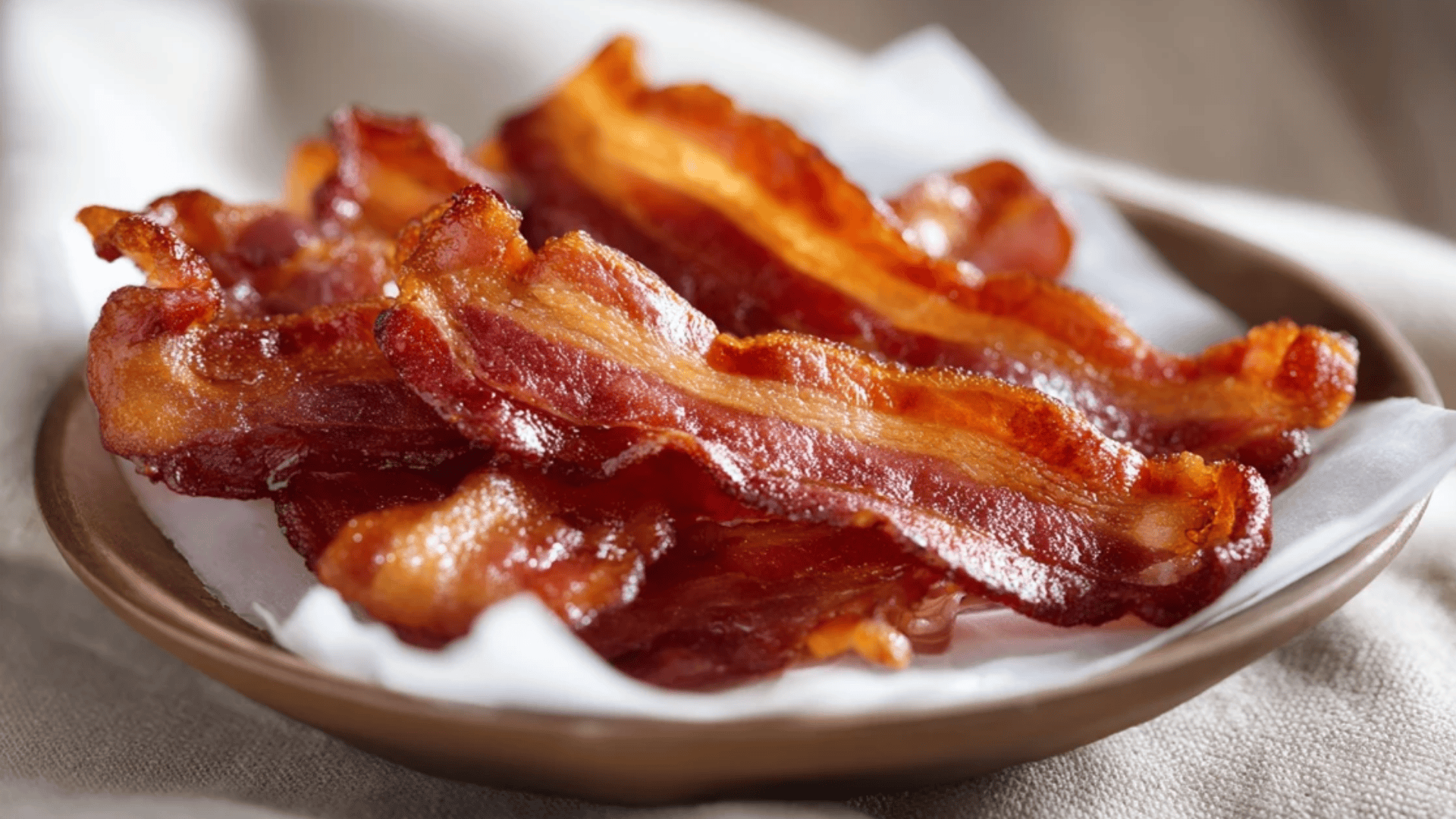
High in saturated fat, sodium, and nitrates used for preservation.
Better swap: Turkey bacon in moderation, or try tempeh bacon for a plant-based option.
21. Hot Dogs / Sausages

These combine processed meat with various additives, high sodium, and often include emulsifiers and fillers.
Better swap: Make your own patties using ground chicken or turkey with herbs, or choose legume-based sausages.
The occasional hot dog at a cookout won’t derail your gut health, but making these foods daily staples can contribute to microbiome changes over time.
Staples That Generally Support Gut Health
Making better choices doesn’t mean sacrificing flavor or satisfaction. Focus on these categories that generally support better gut health:
1. Fiber-Rich Plant Foods
Vegetables, beans, lentils, and whole grains feed beneficial gut bacteria. Aim for 25-35 grams of fiber daily from varied sources. The diverse fiber types act as prebiotics, food for your good bacteria.
2. Fermented Foods
Yogurt, kefir, sauerkraut, kimchi, and kombucha contain live beneficial bacteria (probiotics). Start with small portions if you’re new to fermented foods.
3. Nuts & Seeds
Almonds, walnuts, chia seeds, and flaxseeds provide healthy fats, fiber, and nutrients that support gut health. A handful daily is a good target.
4. Olive Oil & Healthy Fats
Extra virgin olive oil has been linked to increased microbial diversity. Avocados, fatty fish, and nuts provide omega-3 fatty acids that may reduce gut inflammation.
5. Water & Unsweetened Drinks
Proper hydration helps your digestive system function smoothly. Herbal teas, plain water, and water with fresh fruit are excellent choices.
How to Spot “Gut-Unfriendly” Foods Fast
You don’t need to memorize every additive name, but a few quick checks can help:
Ingredient list length: While not always a red flag, products with 15-20+ ingredients often contain numerous additives.
Compare similar products and choose ones with shorter, more recognizable ingredient lists.
Look for these patterns:
- Multiple forms of added sugar (corn syrup, cane sugar, dextrose, all in one product)
- Sweeteners (aspartame, sucralose, acesulfame-K)
- Emulsifiers (polysorbate 80, carboxymethylcellulose, various mono- and diglycerides)
- Artificial colors and preservatives
What to prioritize: Foods close to their natural state, with most ingredients being actual food items rather than chemical compounds.
Research on food additives and gut health has grown significantly. A 2024 review in Nature noted that lab and animal studies found certain emulsifiers, colors, and sweeteners can alter the microbiome and promote intestinal inflammation.
Human studies show mixed results, which is why some caution is warranted while more research continues.
Final Thoughts
Your gut health affects how you feel every day, from energy and digestion to immune support.
These aren’t “never again” foods, but regularly relying on ultra-processed meals, sugary drinks, alcohol, and additive-heavy snacks can nudge your microbiome in a less helpful direction.
The good news is your gut is adaptable, and small shifts can make a real difference.
Try one swap this week: trade a sugary drink for water, choose baked instead of fried, or add a serving of vegetables at dinner.
Over time, those choices add up. Ready to feel better? Save this list of the worst foods for gut health, pick three swaps, and start today, your gut will notice.
Frequently Asked Questions
What Are the #1 Worst Foods for Gut Health?
Ultra-processed foods and sugary drinks usually rank highest, disrupting microbes and crowding out fiber.
Are Artificial Sweeteners Bad for Gut Bacteria?
It depends on the sweetener and you; sugar alcohols often trigger gas, bloating, and diarrhea.
Is Dairy Bad for Gut Health?
Only if you’re sensitive, yogurt and kefir may help, while lactose may bloat.