


Ever brought home leftover sushi and wondered how long is sushi good for before it becomes unsafe to eat?
Many people face this same question. Sushi is delicious but tricky to store, since it contains raw fish, cooked seafood, and fresh vegetables that have different shelf lives.
Eating spoiled sushi can lead to serious food poisoning, so knowing when to keep it and when to toss it matters for your health.
The answer depends on what’s inside your rolls, how you store them, and how quickly you refrigerate leftovers. Let’s break down everything you need to know about storing and handling sushi safely.
How Long Is Sushi Good For?
The shelf life of sushi depends on how you store it and what’s inside. At room temperature, sushi should be eaten within 2 hours to stay safe.
In the fridge, sushi with raw fish lasts 24 hours max, while cooked or vegetarian rolls can last up to 3 days when stored properly in an airtight container.
Raw fish degrades quickly, losing its fresh texture and flavor while developing bacteria that can make you sick.
Cooked ingredients like shrimp tempura or crab stick hold up better but will still get soggy over time. For the best taste and safety, eat sushi as fresh as possible and trust your senses – if it smells off or looks slimy, toss it out.
How Long Does Sushi Last in the Fridge?
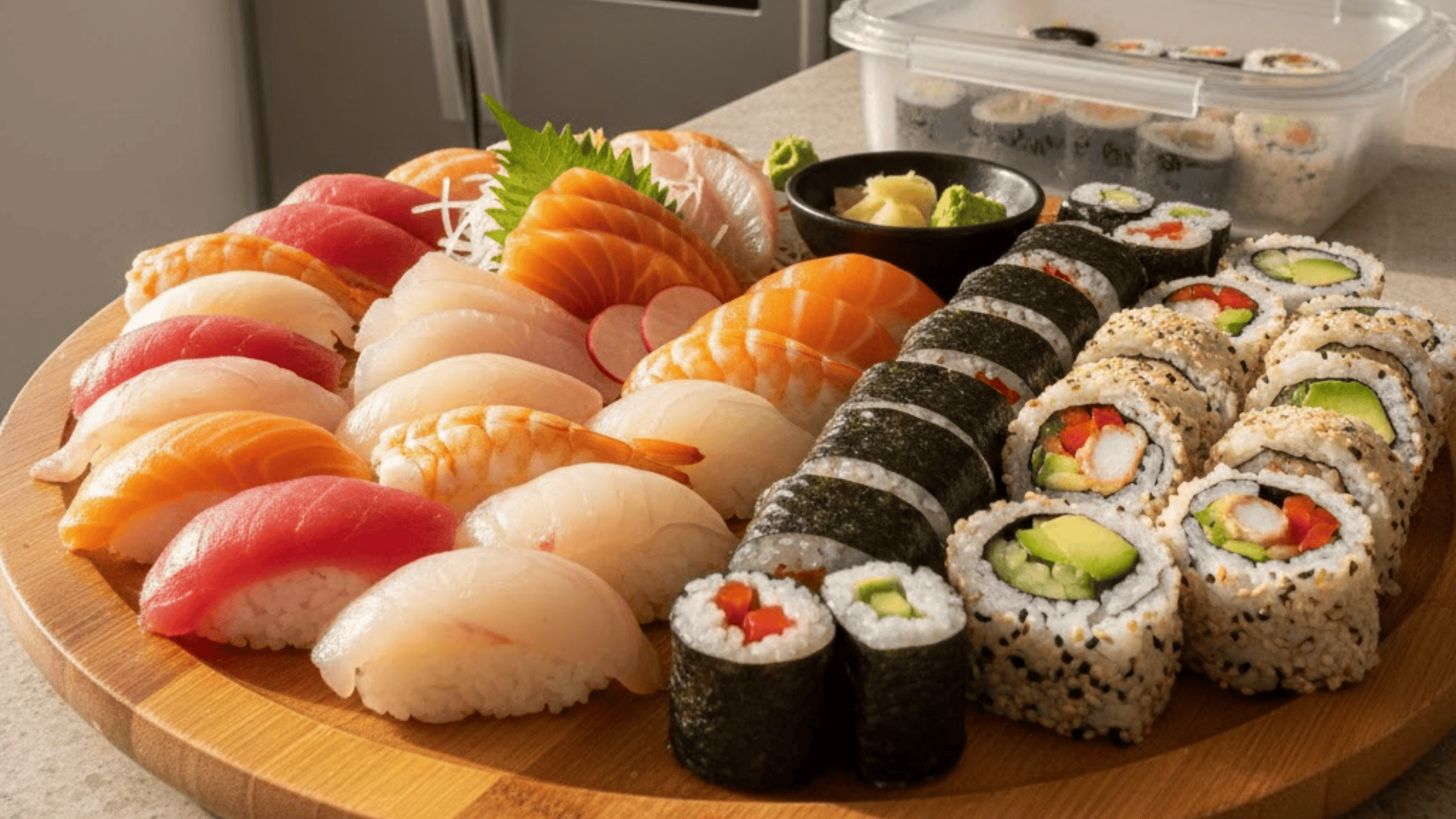
Not all sushi has the same shelf life. What’s inside your roll makes a big difference in how long it stays fresh and safe to eat. Raw fish spoils much faster than cooked ingredients, so knowing what type you have helps you avoid food poisoning.
1. Raw-Fish Sushi (Nigiri, Sashimi, and Raw Rolls)
Sushi made with raw fish, such as salmon, tuna, or yellowtail, should be eaten within 24 hours of purchase. Some sources say it can last up to 2 days in the fridge, but quality drops fast.
Raw fish breaks down quickly, developing a fishy smell and slimy texture. The rice also hardens and loses moisture. For safety and taste, eat raw sushi the same day you buy it.
2. Cooked or Vegetarian Sushi (Cooked Fish, Shrimp, Egg, Veggie Rolls)
Sushi with cooked ingredients lasts longer than raw varieties. Rolls with cooked shrimp, crab, eel, or just vegetables can stay fresh for 3 to 4 days when stored properly in the fridge.
The rice will get firmer and drier over time, but the filling stays safer longer. Keep it in an airtight container to prevent it from drying out and absorbing other food odors.
3. Factors That Change How Long Sushi Lasts
Several things affect how quickly your sushi goes bad. Understanding these factors helps you store it safely and get the most out of your leftovers.
- Type of Fish or Filling: Raw fish spoils faster than cooked or plant-based ingredients.
- Storage Temperature: Sushi must be kept at 40°F or below consistently.
- Time Before Refrigeration: Sushi left out for even an hour loses freshness quickly.
- Container Quality: Airtight containers prevent moisture loss and contamination.
Pay attention to all these factors together, not just one. Even properly stored sushi won’t last if it sat out too long before you refrigerate it. When in doubt, it’s better to throw it out than risk getting sick.
Can You Eat Sushi the Next Day?
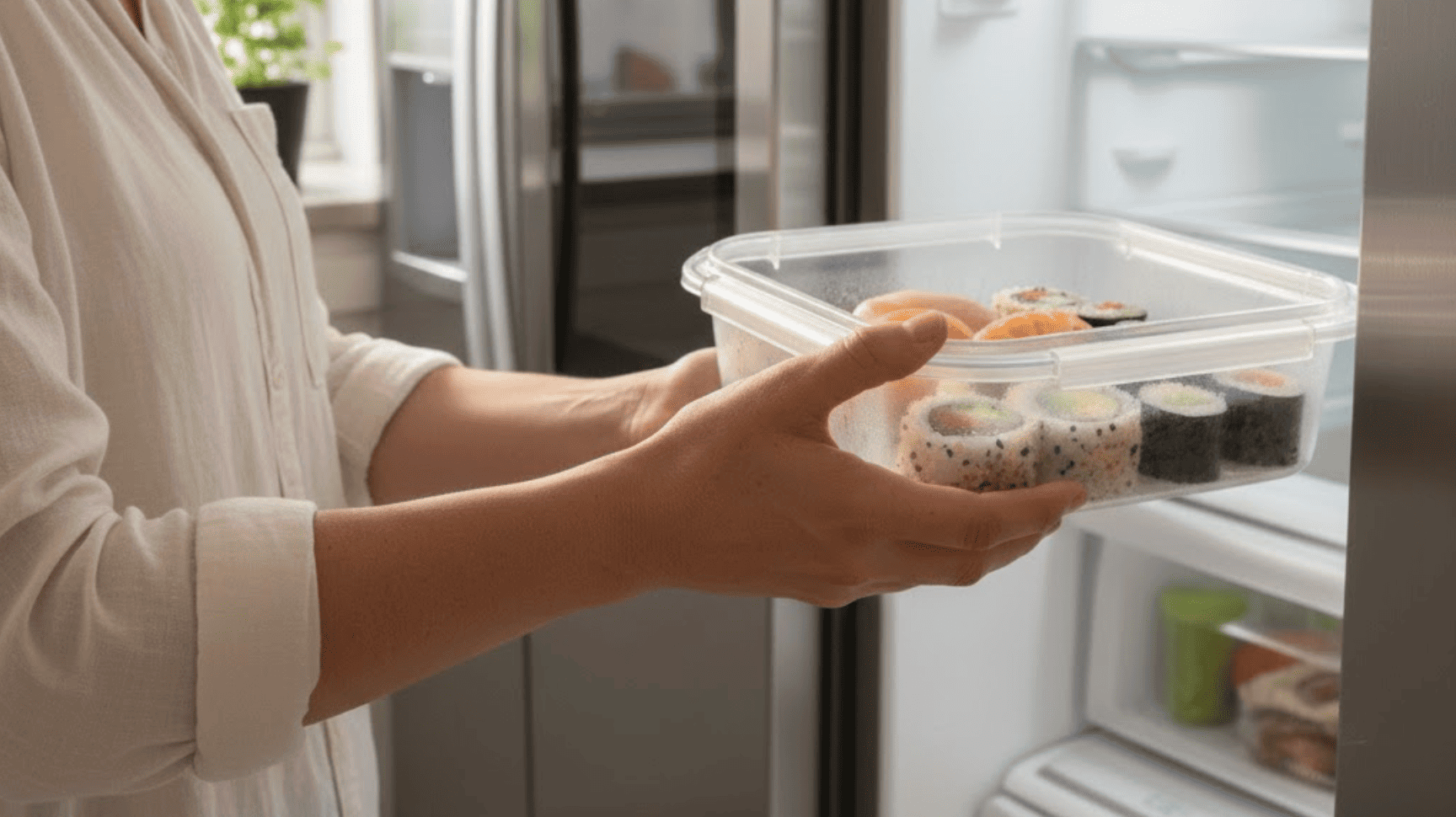
Yes, you can eat sushi the next day if you stored it properly in the fridge. Cooked and vegetarian rolls hold up better than raw fish varieties, which are more time-sensitive.
Most food safety experts recommend refrigerating sushi within 1 to 2 hours of buying or making it to keep bacteria from growing. However, expect some quality loss overnight.
The rice becomes hard and dry, the seaweed wrapper turns soggy, and raw fish changes texture and flavor.
While it might still be safe to eat, next-day sushi won’t taste as good as fresh. Check for any off smells or slimy textures before eating leftovers, and skip it if anything seems wrong.
Why Leaving Sushi Out Is Risky?
Sushi left at room temperature enters the bacterial danger zone, where harmful germs multiply fast. This danger zone ranges from 40°F to 140°F, the perfect temperature for bacteria to grow.
Food safety guidelines recommend that sushi should never sit out for more than 2 hours before refrigerating. If the room is warmer than 90°F, that window drops to just 1 hour.
Raw fish carries particular risks since it can harbor bacteria and parasites that cause food poisoning.
Symptoms include nausea, vomiting, diarrhea, and stomach cramps. Even sushi that looks and smells fine can make you sick if it’s been sitting out too long, so always refrigerate leftovers quickly.
How to Store Sushi Properly?
Storing sushi the right way makes a big difference in how long it stays safe and enjoyable. Here’s a simple, step-by-step process you can follow at home:
- Refrigerate Your Sushi Quickly: Put leftovers in the fridge within 1 to 2 hours to stop bacteria from growing.
- Transfer it into an Airtight Container: Move sushi from its original packaging into a sealed container to lock in moisture.
- Keep It Away from Raw Meat and Strong Odors: Store sushi separately from raw meat or other strong-smelling foods that could contaminate it.
- Store It In The Coldest Spot in Your Fridge: Place the container toward the back where temperatures stay most consistent, not in the door.
- Add a Date Label (Optional But Helpful): Write down when you stored it so you know how old it is.
Following these steps helps your sushi last as long as possible. Remember that even with perfect storage, raw fish sushi should be eaten within 24 hours. When in doubt, it’s always safer to throw it out.
How to Tell If Your Sushi Has Gone Bad?
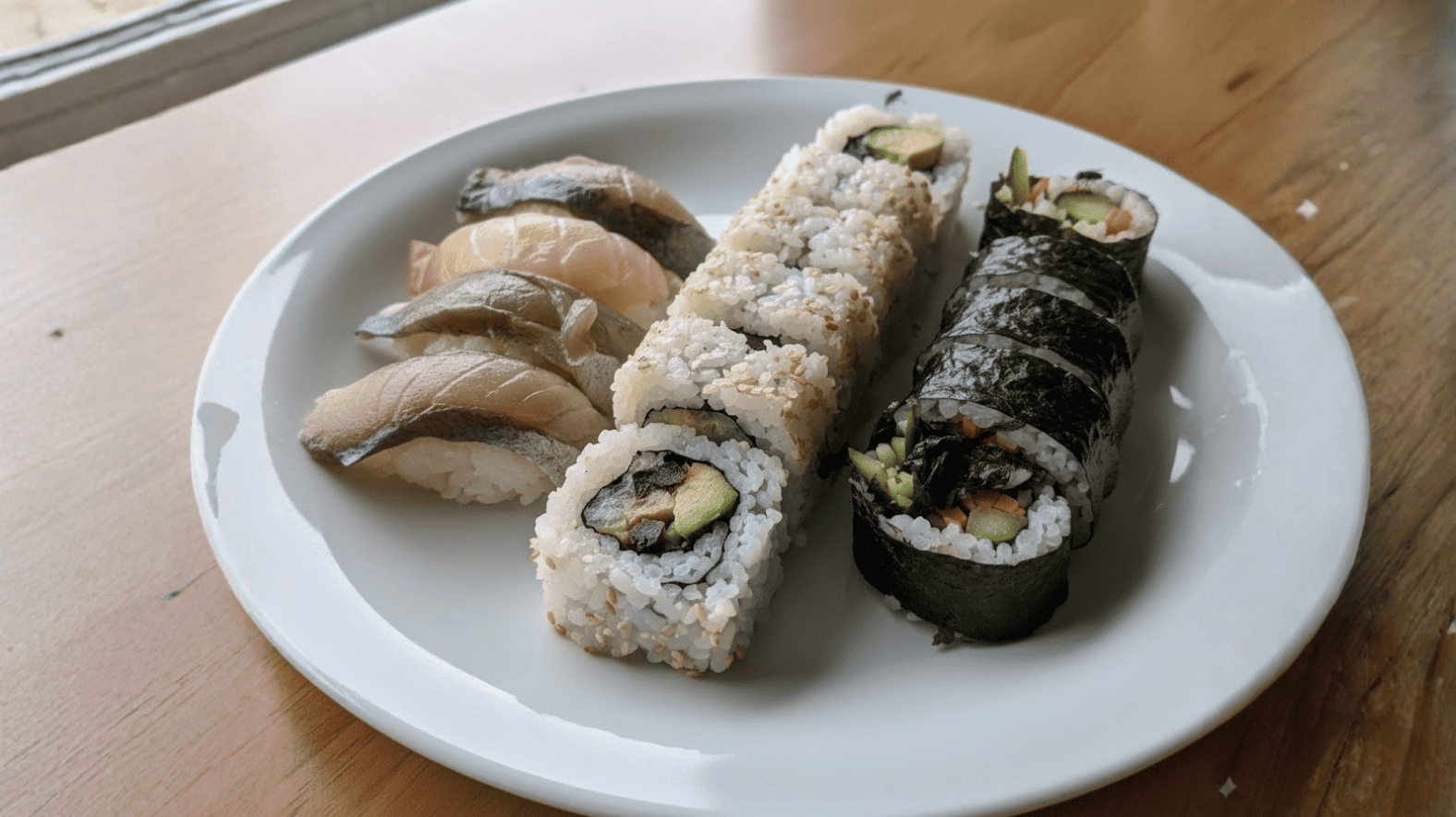
Even if your sushi hasn’t hit the time limit, certain warning signs mean it’s gone bad.
An off or pungent smell is the biggest red flag – fresh sushi should smell clean and slightly ocean-like, not fishy or sour. Check for a slimy texture on the fish or rice, which indicates bacterial growth.
Look for discoloration like gray or brown spots on the fish, overly dry and hard rice, or seaweed that’s turned mushy. If anything looks, smells, or feels wrong, don’t risk it.
When in doubt, throw it out. Your health matters more than feeling guilty about wasting food or money.
Tips to Keep Your Sushi Fresh
Keeping sushi fresh is easier than you might think. A few simple habits can help it taste better and stay safe to eat. These tips are easy to follow and work for most types of sushi. They also help you avoid wasting food.
- Start With Fresh Sushi: Leftovers last longer when the sushi was fresh at the start. If it sat out too long, it won’t keep well.
- Store Raw and Cooked Pieces Separately: Raw fish spoils faster, so keeping it apart helps protect the other pieces.
- Use a Paper Towel to Reduce Moisture: A small paper towel under the sushi helps absorb excess moisture and keeps the rice from getting soggy.
- Limit Temperature Changes: Avoid moving sushi in and out of the fridge. Warm-ups and cool-downs make it spoil faster.
- Eat Raw Sushi First: Raw pieces are safest within 1-2 days. Cooked or veggie sushi usually keeps a bit longer.
These simple steps help your sushi stay fresh and safe to eat. They only take a moment to do and make storage much easier. With a little care, your leftovers will taste better and last longer.
Final Thoughts
Now you know how long is sushi good for and how to store it safely. Raw fish sushi needs to be eaten quickly, while cooked and vegetarian rolls last longer with proper refrigeration.
Always trust your senses – if something smells off or looks slimy, don’t risk it. Following these storage tips helps you enjoy leftover sushi without getting sick.
Remember that freshness matters most with sushi, so eat it as soon as possible for the best taste and safety. Have your own sushi storage tips or questions? Drop a comment below and let me know!
Frequently Asked Questions (FAQs)
Which Sushi Toppings Last the Longest?
Cooked or vegetarian toppings like shrimp, crab sticks, tamago (egg), and vegetables last the longest – up to 3-4 days in the fridge.
Which Sushi Toppings Spoil the Quickest?
Raw fish toppings, such as tuna, salmon, yellowtail, and other oily fish, spoil fastest and should be eaten within 1–2 days.
Can You Freeze Sushi To Make It Last Longer?
Freezing sushi is not recommended because it changes the texture of rice and fish and may affect the safety of raw rolls.
Is It Safe To Reheat Sushi?
Reheating sushi is generally unsafe for raw fish; cooked or veggie rolls can be warmed slightly but may lose texture.