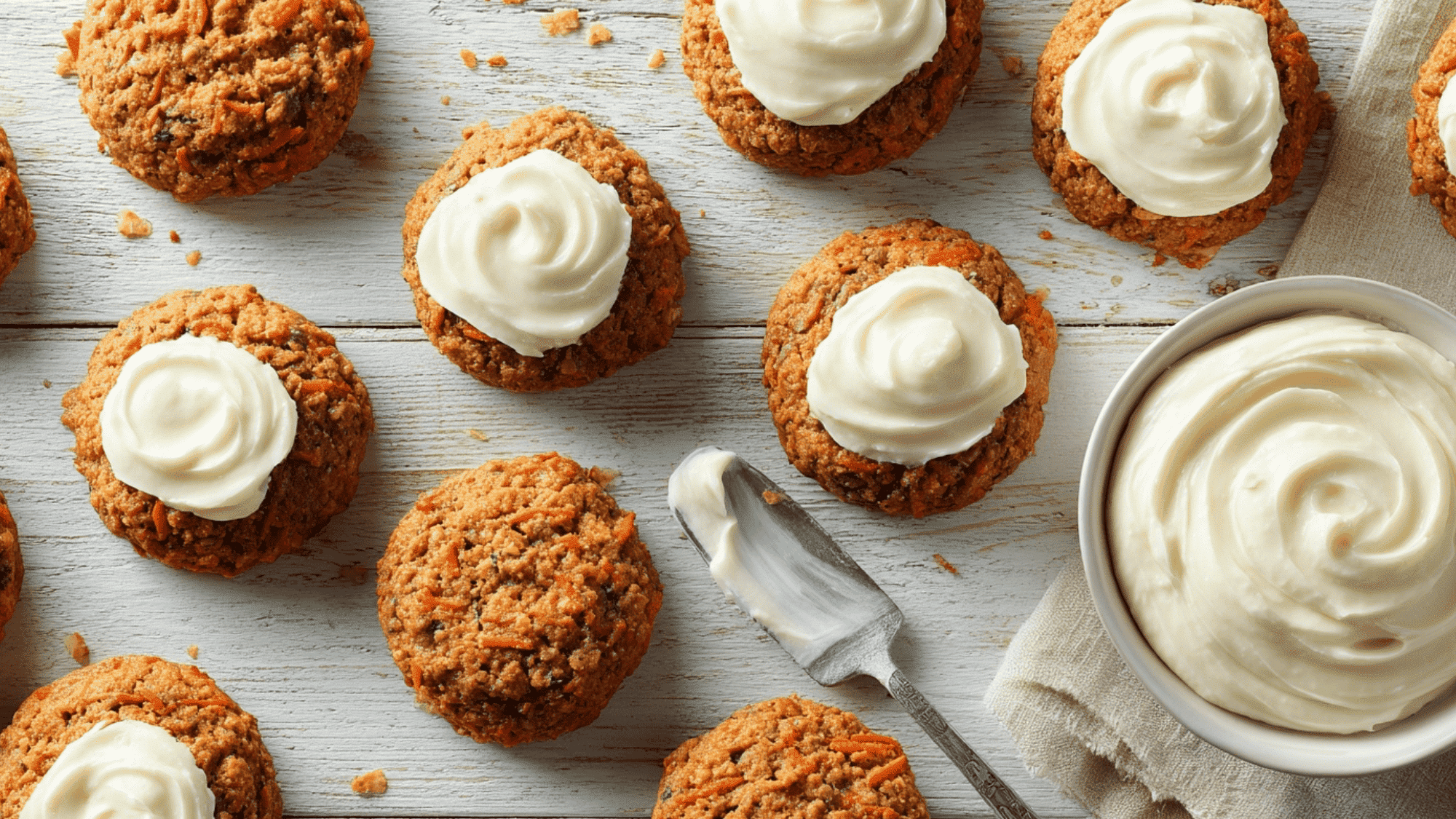


There’s something special about Swedish cardamom buns that sets them apart from any pastry you’ve tried before.
Known as Kardemummabullar in Sweden, these soft, aromatic treats are central to the country’s beloved fika tradition, where afternoons slow down for coffee and conversation.
The secret lies in cardamom, a spice that brings floral warmth and citrusy notes you won’t find in typical cinnamon rolls.
This cardamom bun recipe honors that Scandinavian tradition with clear instructions, helpful tips, and room for creativity.
If you’re new to baking or have years of experience, you’ll find this recipe rewarding and approachable. Get ready for your kitchen to fill with the comforting scent of freshly baked Nordic goodness.
What Are Swedish Cardamom Buns?
Swedish cardamom buns have been a staple in Nordic kitchens for generations. These pastries hold a special place in Swedish culture, where taking time for fika means more than just a coffee break.
It’s about pausing, connecting, and savoring something homemade. Unlike cinnamon rolls, which tend to be sweeter and heavier, Kardemummabullar are lighter and more subtly spiced.
The cardamom provides a distinct flavor that’s both warm and refreshing, with hints of citrus and flowers that make each bite interesting without being overwhelming.
Cardamom itself is essential to Scandinavian baking. The spice comes from small green pods and has been used in Nordic desserts for centuries.
When freshly ground, it releases oils that create that signature aroma everyone associates with Swedish bakeries.
Why You’ll Love This Cardamom Bun Recipe
This recipe stays true to traditional Nordic techniques while remaining practical for home bakers. The dough is enriched with butter and milk, creating a tender crumb that pulls apart beautifully.
These buns work for any occasion. Serve them at weekend brunches, holiday gatherings, or simply as an afternoon treat with coffee.
The dough is also freezer-friendly, so you can prepare a batch ahead and bake fresh buns whenever you want.
The traditional Swedish shaping method creates those characteristic knots that not only look beautiful but also create layers in which the filling is tucked into every fold.
IngredientsFor the Dough
For the Filling
For Topping
|
Disclaimer: Ingredient amounts may vary based on brand, freshness, and personal preference. Adjust sweetness and spice to taste, and always ensure proper dough consistency by adding a little more flour or liquid if needed.
Recipe Notes
| Information | Details |
|---|---|
| Prep Time | 20 mins |
| Bake Time | 12–15 mins |
| Servings | 12–14 buns |
| Key Tip | Use only black cardamom seeds |
Cardamom Bun: Step-by-Step Process
A great bake begins with clear, simple guidance. These steps will help you create soft, aromatic Swedish cardamom buns with confidence from start to finish.
Step 1: Make the Dough
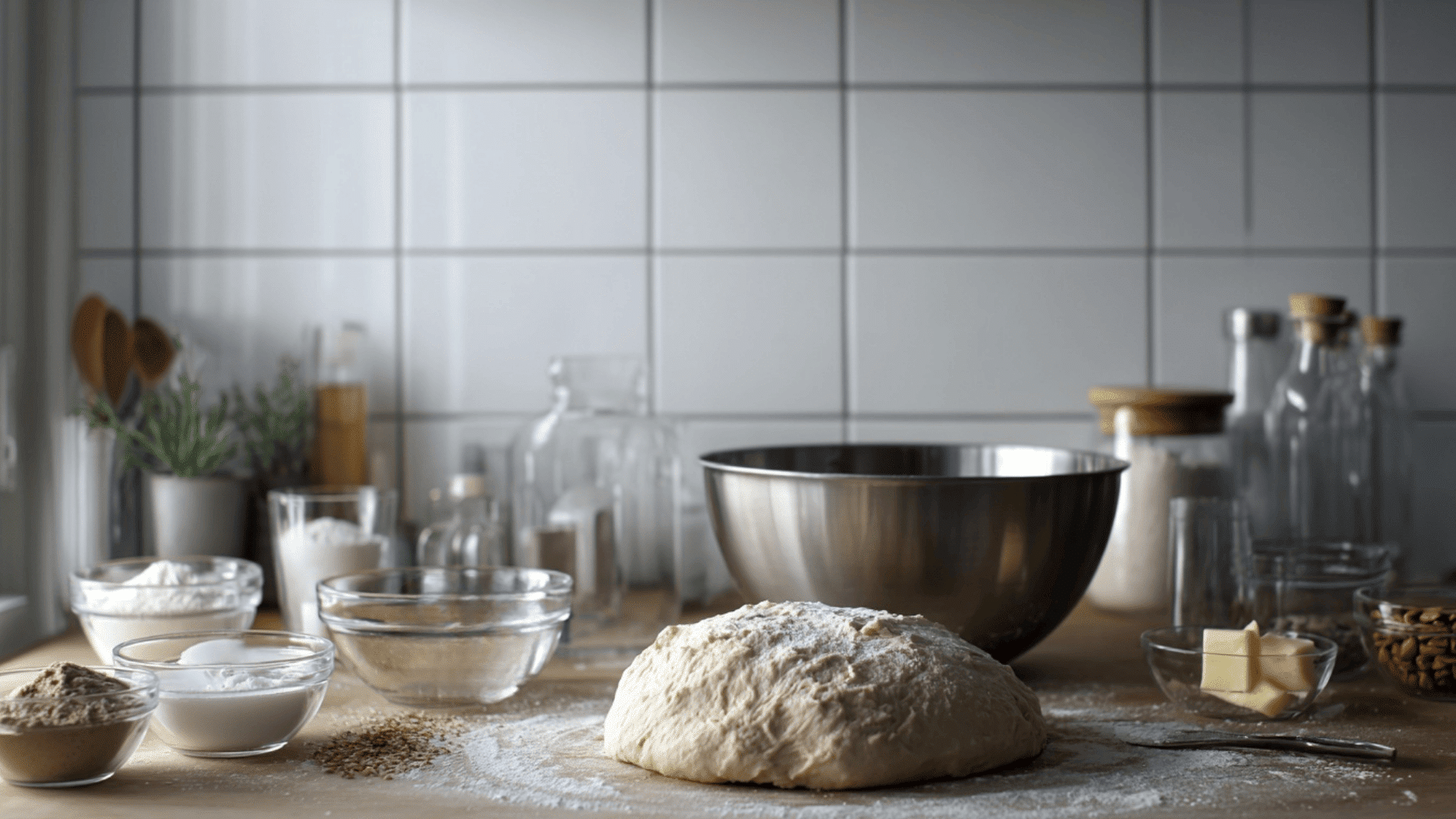
Warm the milk to about 110°F; activate active dry yeast in it if using, or add instant yeast directly to the flour. Combine flour, sugar, salt, and cardamom, then mix in the warm milk, egg, and butter.
Knead for 8–10 minutes until the dough is smooth, elastic, and slightly sticky. Place the dough in a greased bowl, cover, and let it rise for about 1 hour until doubled.
Step 2: Prepare the Filling
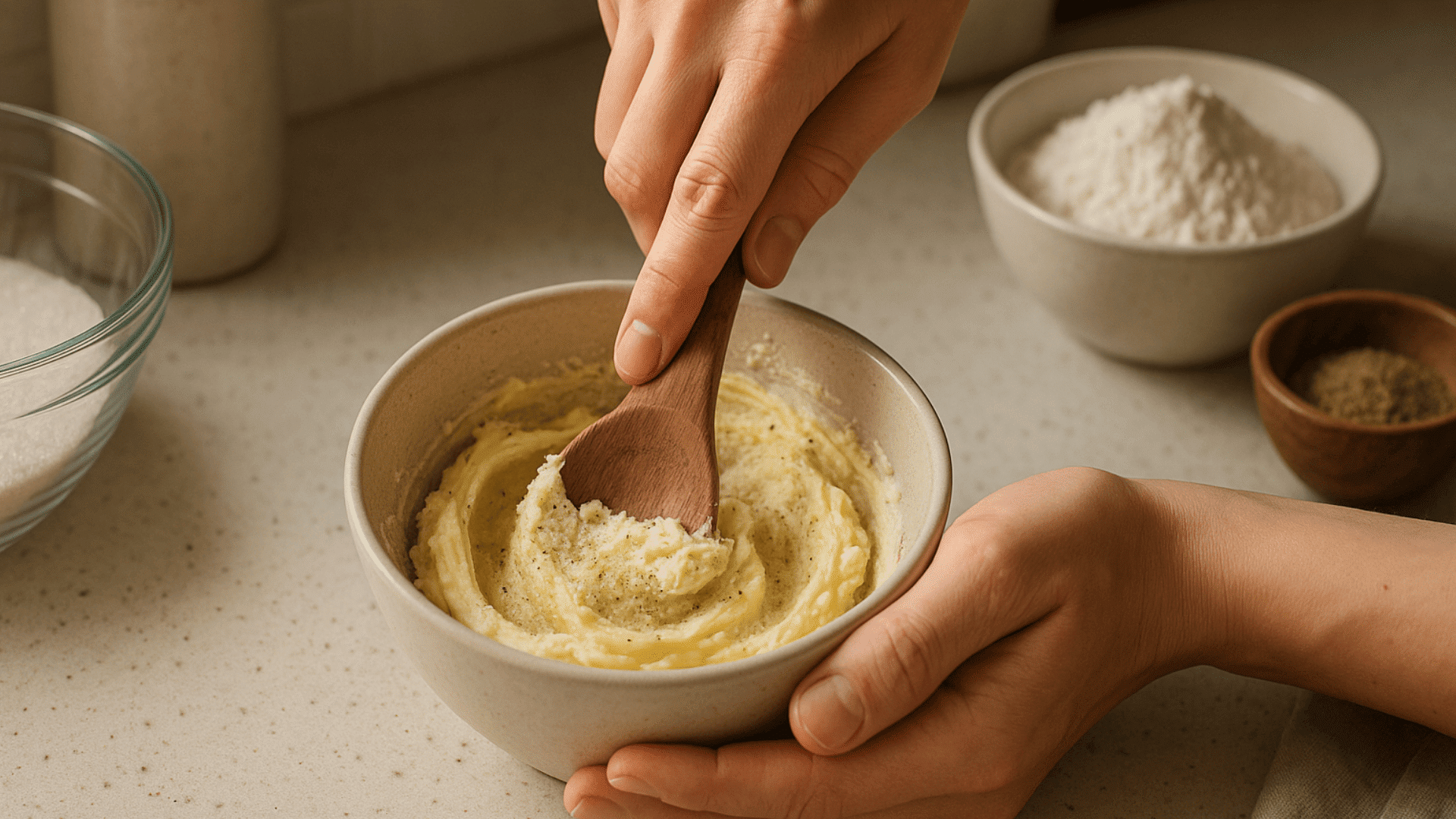
While the dough rises, mix softened butter with sugar and cardamom until creamy. Taste and adjust the cardamom level based on your preference. Some people prefer a stronger spice note, while others like it milder.
Step 3: Shape the Buns
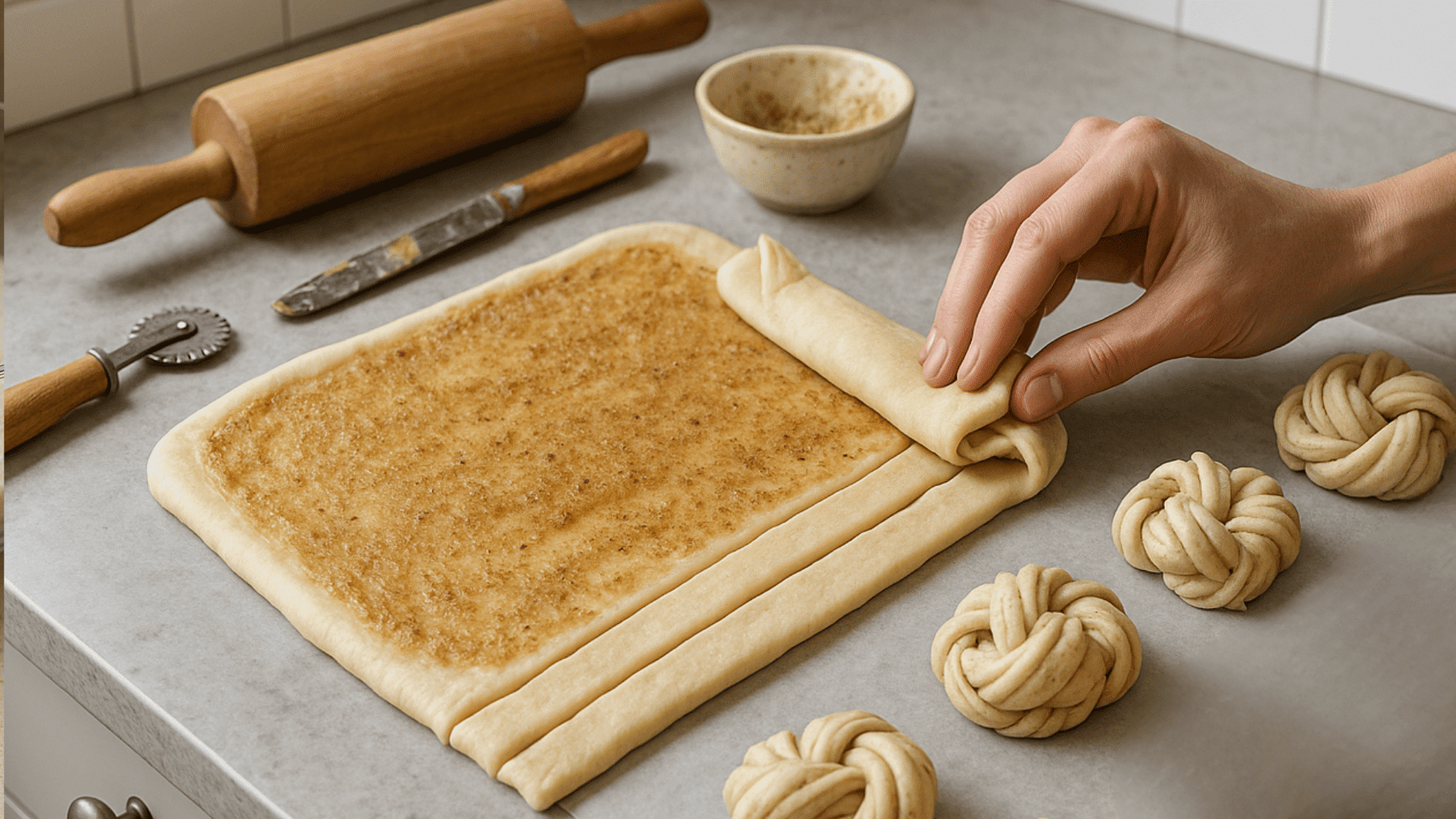
Roll the dough into a 12×16-inch rectangle and spread the cardamom butter filling evenly across the surface. Fold the dough lengthwise into thirds to create a long strip, then cut it into 12–15 strips about 1 inch wide.
Gently twist each strip and tie it into a loose knot, tucking the ends underneath. Don’t worry about perfection; rustic, uneven knots are traditional and bake beautifully.
Step 4: Second Rise
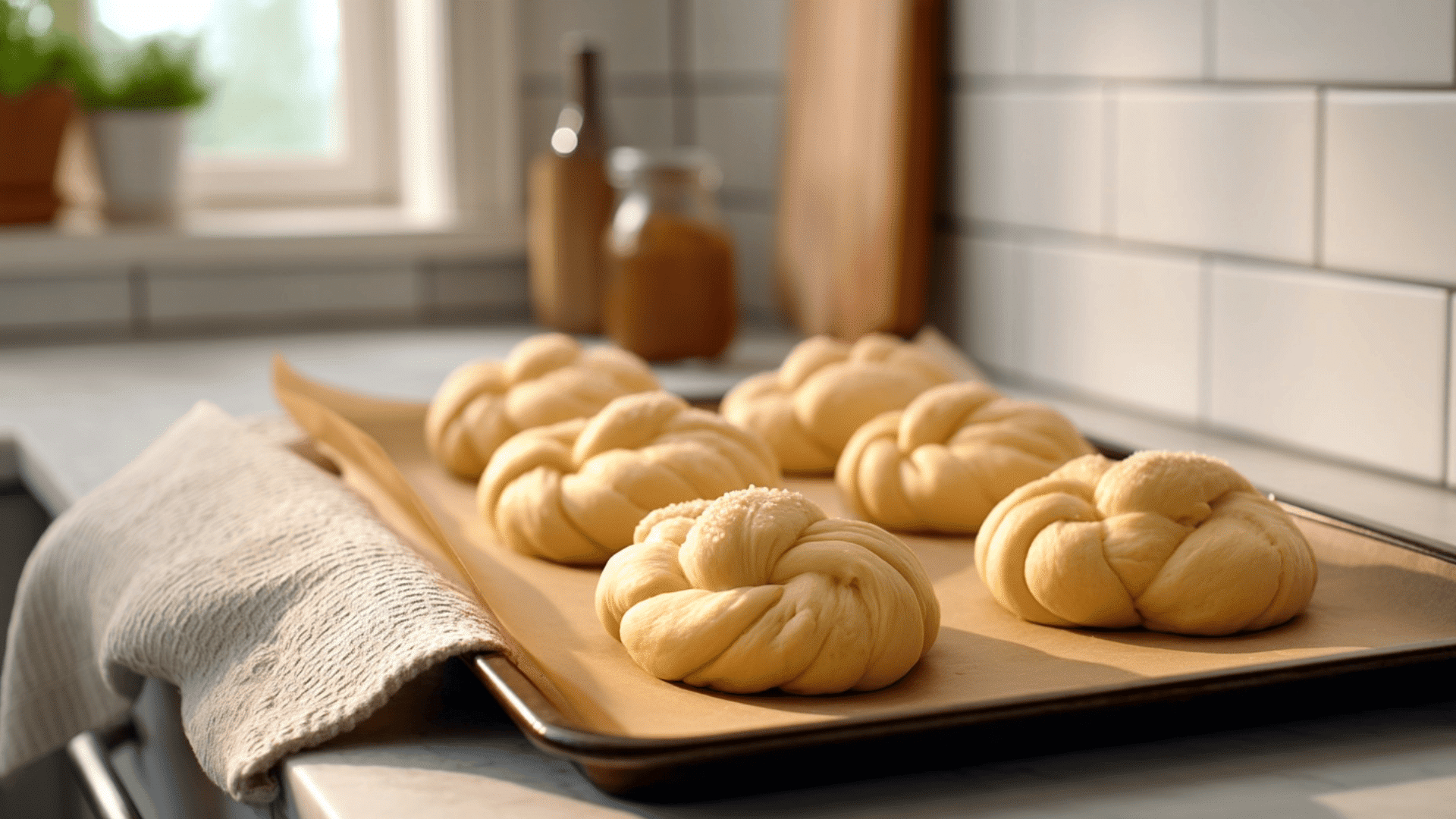
Place your shaped buns on a parchment-lined baking sheet, leaving space between each one.
Cover them lightly later and let them rise for 30 to 45 minutes more. They should look puffy and feel soft to the touch.
Step 5: Bake
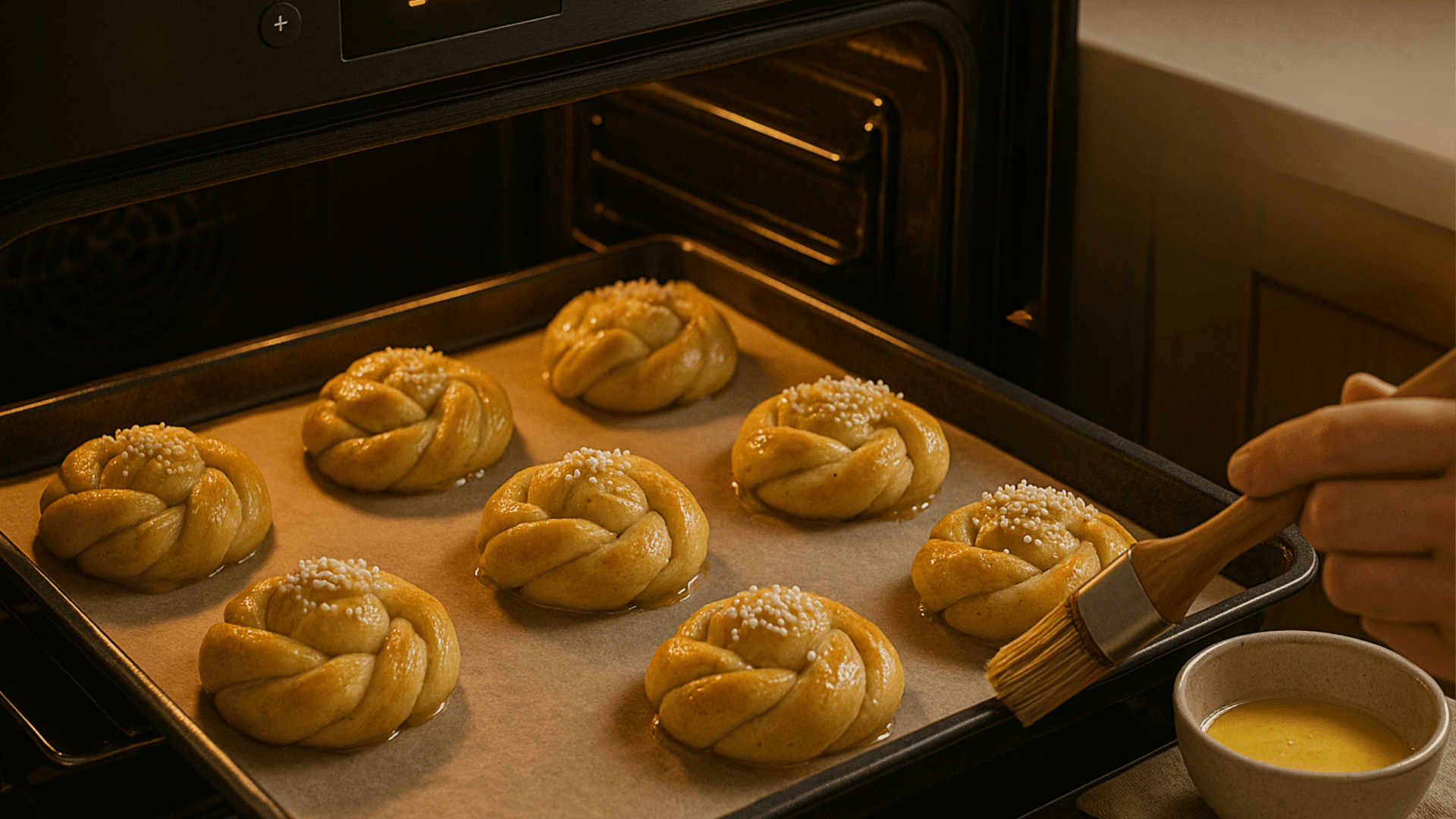
Preheat your oven to 375°F. Beat an egg and brush it gently over each bun for a golden shine. Sprinkle with your cardamom-sugar mixture or with pearl sugar, if you have it.
Bake for 12 to 15 minutes, until the tops are golden brown and the buns sound hollow when tapped on the bottom. Don’t overbake, as they can dry out quickly.
Step 6: Finish and Serve

Once the buns come out of the oven, brush them immediately with a simple sugar syrup to give them a soft, glossy finish. This also helps keep them moist for longer.
Let the buns cool on a wire rack for at least 10–15 minutes so the flavors settle and the texture becomes perfectly tender. Serve warm for the best experience; the cardamom aroma is most fragrant right out of the oven.
These buns pair beautifully with coffee, tea, or a cozy weekend breakfast.
Nutritional Information
| Nutrient | Amount per 100 g |
|---|---|
| Calories | 265 kcal |
| Protein | 4.5 g |
| Fat | 11 g |
| Carbohydrates | 35 g |
| Sugar | 14 g |
Note: Nutrition values are approximate and can vary based on ingredient brands, portion size, and any toppings or fillings added.
Tips for Success & Storage
Mastering Swedish cardamom buns comes down to technique, temperature, and a few smart habits.
These essential tips will help you create soft, aromatic, perfectly risen buns every time, if you’re baking fresh or preparing a batch for later.
- Fresh cardamom delivers the most vibrant flavor; grinding the seeds from whole pods makes a noticeable difference.
- A stand mixer ensures a consistent dough texture, though hand-kneading works well with enough patience and thorough kneading.
- Warm, steady temperatures support proper rising; a cool kitchen will significantly slow fermentation.
- Golden brown tops and an internal temperature of around 190°F indicate the buns are fully baked.
- Store buns in an airtight container for up to 3 days, or freeze baked or unbaked buns for convenient future baking.
With these practical tips and storage methods, you’ll enjoy perfect, bakery-quality cardamom buns anytime. A little preparation goes a long way in keeping every batch soft, fragrant, and irresistible.
Delicious Cardamom Bun Twists to Try
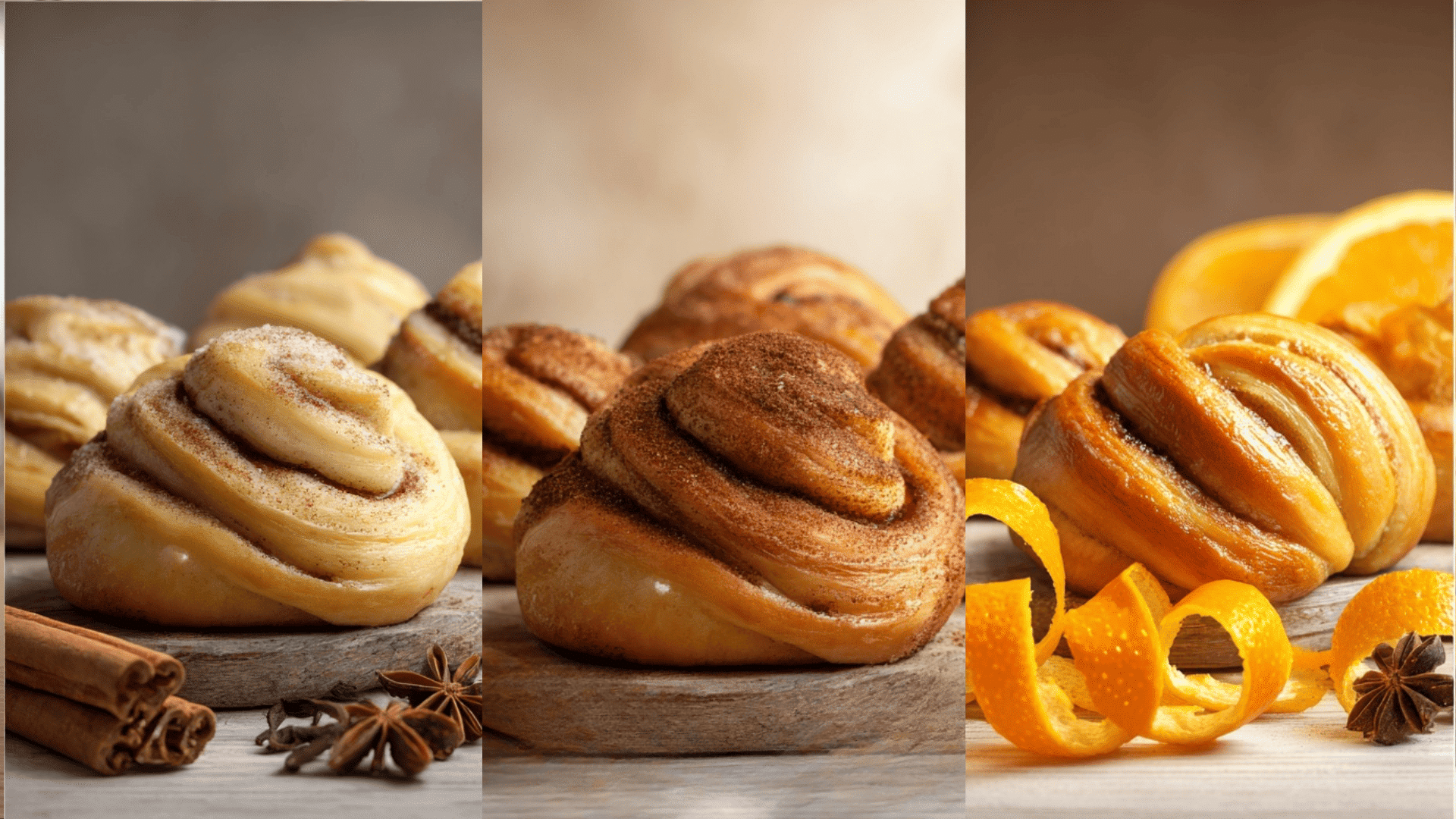
Once you’ve mastered the classic cardamom bun, it’s fun to experiment with new flavors and aromas. These variations add depth, richness, and seasonal flair to your bake.
Here are three irresistible twists to improve your buns even further.
1. Vanilla & Cinnamon Cardamom Buns
Add a teaspoon of vanilla extract to the dough to bring a soft, fragrant sweetness to every bite. Mixing cinnamon with cardamom in the filling creates a warm, hybrid spice blend.
This version is perfect for those who love a classic, cozy flavor combo. It’s a small tweak with a big impact.
2. Almond-Filled Cardamom Buns
Spread a thin layer of almond paste underneath the cardamom butter for a rich, nutty upgrade. The almond adds moisture and depth without overpowering the cardamom.
This variation feels indulgent and slightly more decadent. Ideal for brunches or when you want something extra special.
3. Holiday Orange-Cardamom Buns
Add freshly grated orange zest to the filling for a bright, festive twist. The citrus pairs beautifully with cardamom’s natural floral notes.
This variation brings a cheerful, seasonal aroma to your kitchen. Perfect for holiday mornings or winter baking sessions.
Wrapping It Up
Making this cardamom bun recipe connects you to a comforting Scandinavian tradition that values slowing down and enjoying simple pleasures.
Kardemummabullar aren’t just about the taste, though that warm cardamom aroma filling your kitchen is pretty wonderful. They’re about creating moments to share with others or savor alone with a good cup of coffee.
This recipe welcomes bakers at every level and adapts easily to your preferences and schedule. Try different shapes, adjust the spice level, or add your own creative touches.
The most important part is the experience of baking something with care and enjoying the results. Give this recipe a try, and you might find it becoming a regular part of your own baking traditions.